Quiz · Medium
Levels of biodiversity, ecosystem services, keystone species, island biogeography, hotspots, invasive species and conservation law.
A scientist counts 12 species of butterfly in a meadow. Which component of biodiversity is she measuring?
Genetic diversity
Ecosystem diversity
Species richness
Species evenness
Richness is the number of species. Evenness describes how the individuals are spread among species, which needs counts per species.
Two meadows each contain 50 plants of 5 species. In meadow X every species has 10 plants. In meadow Y one species has 46 plants and the others have 1 each. Which statement is correct?
Both have the same richness, but meadow X has higher evenness and diversity
Both have identical diversity because the totals match
Meadow Y has higher diversity because one species is very successful
Meadow X has higher richness
Richness is 5 in both. Meadow X is perfectly even, so a diversity index is higher there. Dominance by one species lowers diversity.
Which of the following is a PROVISIONING ecosystem service?
Pollination of crops
Flood control by wetlands
Hiking in a national park
Timber harvested from a forest
Provisioning services are products obtained from ecosystems (food, fresh water, timber). Flood control and pollination are regulating services; hiking is a cultural service.
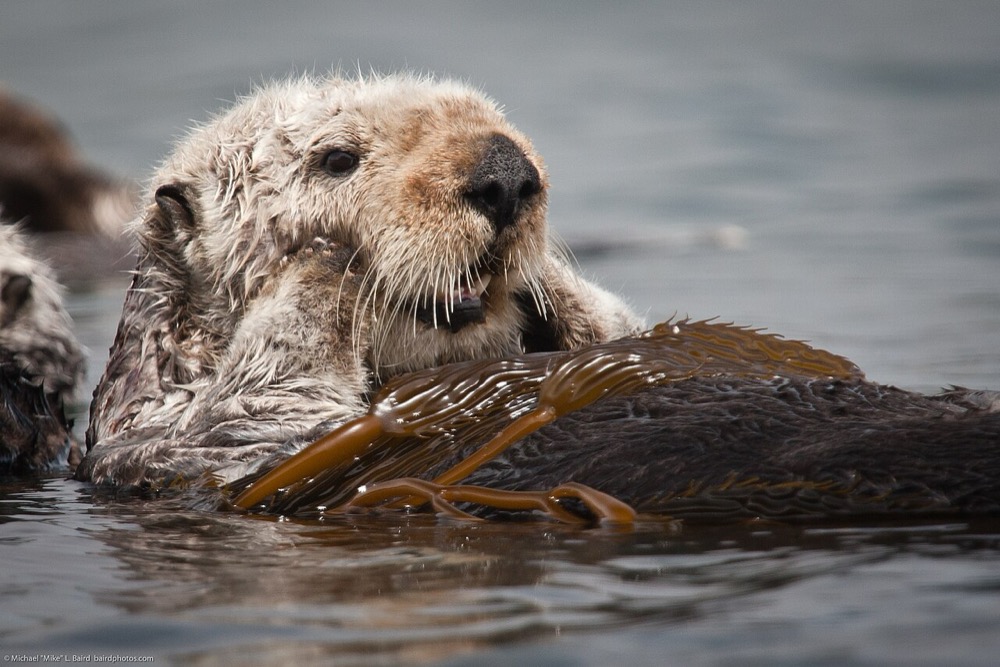
Removing sea otters from a kelp forest leads to a loss of kelp. This shows that sea otters are:
A generalist species
A keystone species
An invasive species
An indicator species
A keystone species has an effect on its community far greater than its abundance suggests. Otters eat urchins; without otters, urchins overgraze kelp.
Frogs and other amphibians are often called indicator species mainly because:
They have very large populations
Their permeable skin and life stages in water and on land make them sensitive to environmental change
They are at the top of the food chain
They are not affected by pollution
Their sensitivity means declining amphibian populations can signal water quality or habitat problems.
According to island biogeography theory, which island should have the MOST species?
A small island close to the mainland
A small island far from the mainland
A large island far from the mainland
A large island close to the mainland
Near islands receive more immigrants and large islands have lower extinction rates, so the equilibrium species number is highest for a large near island.
A forest is cut by highways into many small patches. Which outcome is MOST likely?
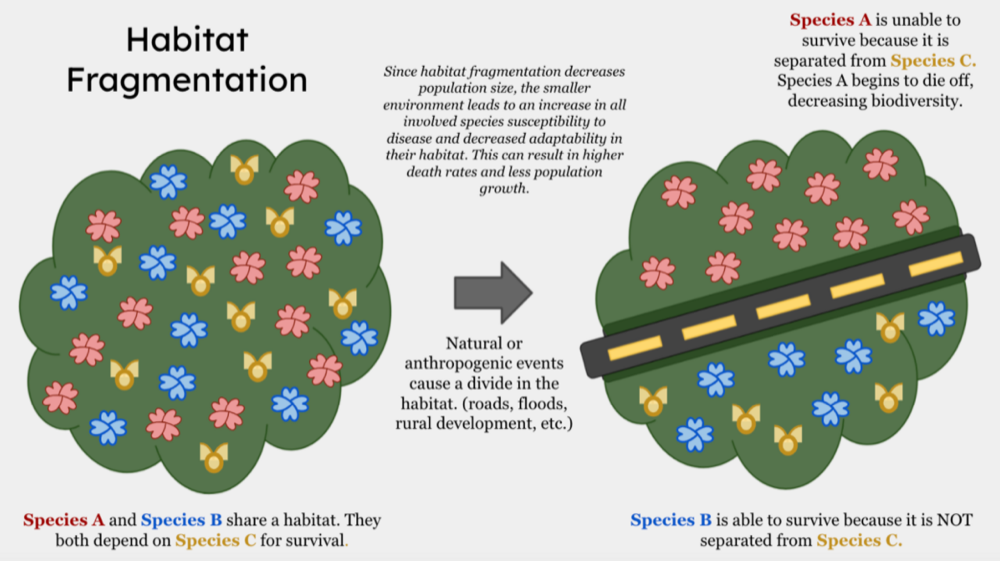
Loss of interior species and lower genetic diversity in small populations
Higher survival of large-bodied predators
No change, since total forest area is unchanged
Higher biodiversity because there is more edge habitat for every species
Fragmentation increases edge effects and isolates small populations, so interior specialists and large-ranging animals decline.
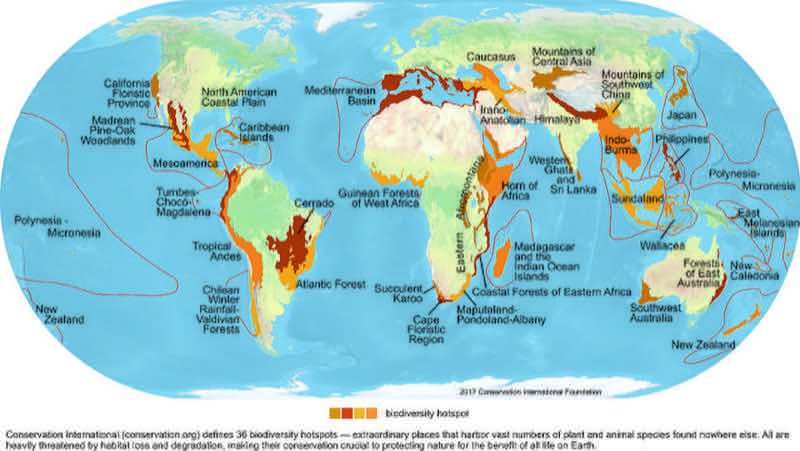
The map shows 36 regions identified by Conservation International. Which two criteria define these regions?
The most national parks and the most tourists
Highest rainfall and highest temperature
At least 1,500 endemic plant species and at least 70% habitat already lost
The largest protected areas and the least human population
Biodiversity hotspots combine exceptional endemism with serious habitat loss. Image: Conservation International, CC BY-SA 4.0, via Wikimedia Commons.
Which of these is NOT one of the HIPPCO threats to biodiversity?
Habitat destruction
Invasive species
Natural succession in forests
Overexploitation
HIPPCO = Habitat destruction, Invasive species, Pollution, human Population growth, Climate change, Overexploitation. Succession is a natural process.
Which trait would make a species MOST likely to become invasive in a new region?
High reproductive rate and a generalist diet with no natural predators
Highly specialized habitat requirements
Very long generation time and few offspring
A requirement for a single mutualist partner
Fast reproduction, tolerance of many conditions and release from natural enemies all favor invasion.
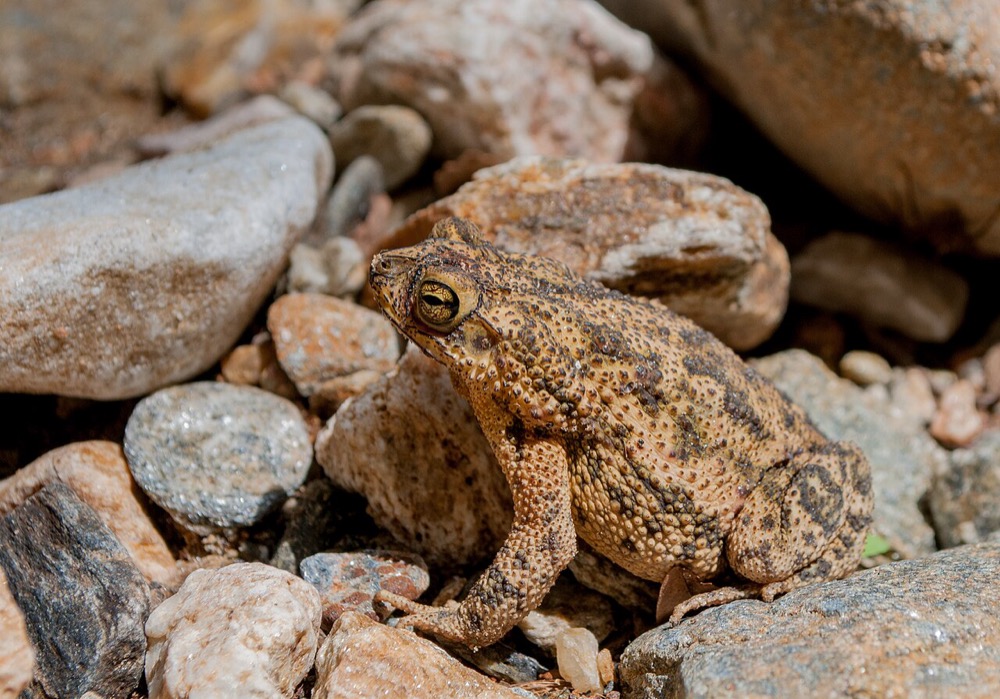
Cane toads were released in Australia in 1935 to control cane beetles. Why is this a cautionary tale?
The toads were infertile
The toads were quickly eaten by all native predators
The beetles were native and not a pest
The toads did not control the beetles and their toxic skin poisoned native predators
Biological control agents can harm non-target species. Cane toads breed fast and are toxic to many predators. Image: Wilfredor, CC0, via Wikimedia Commons.
Which photograph shows the invasive Burmese python?
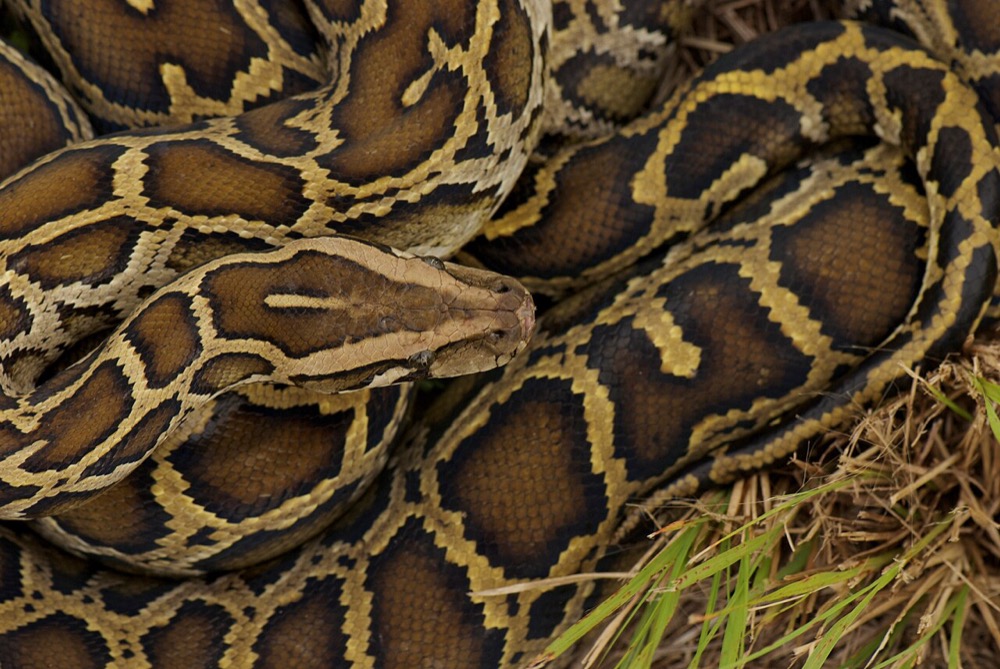
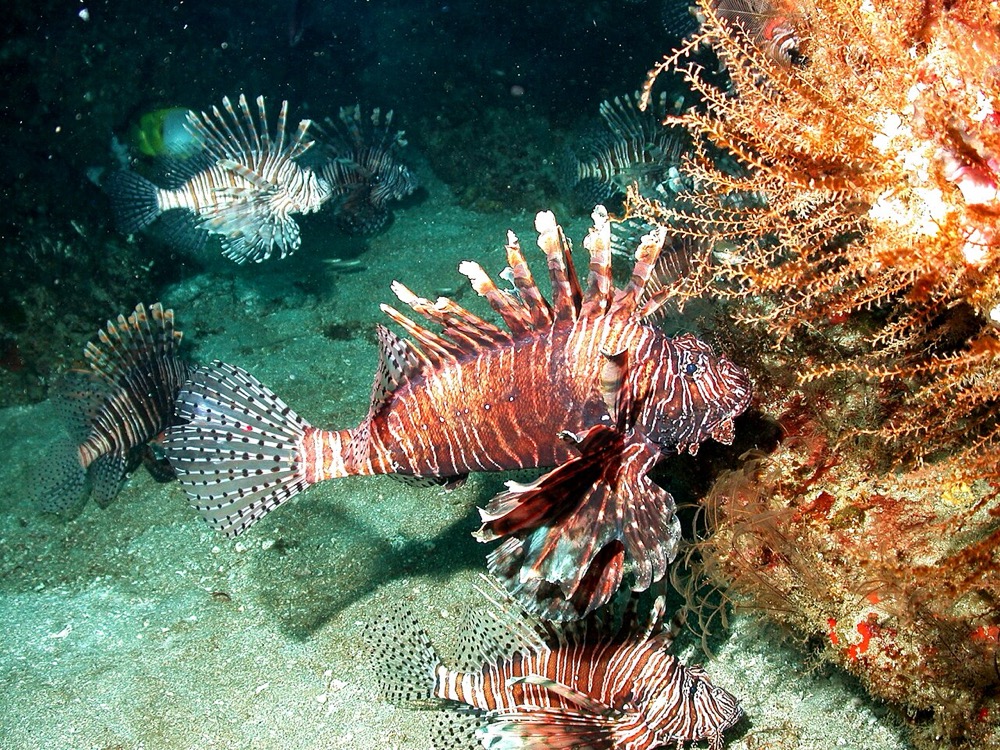
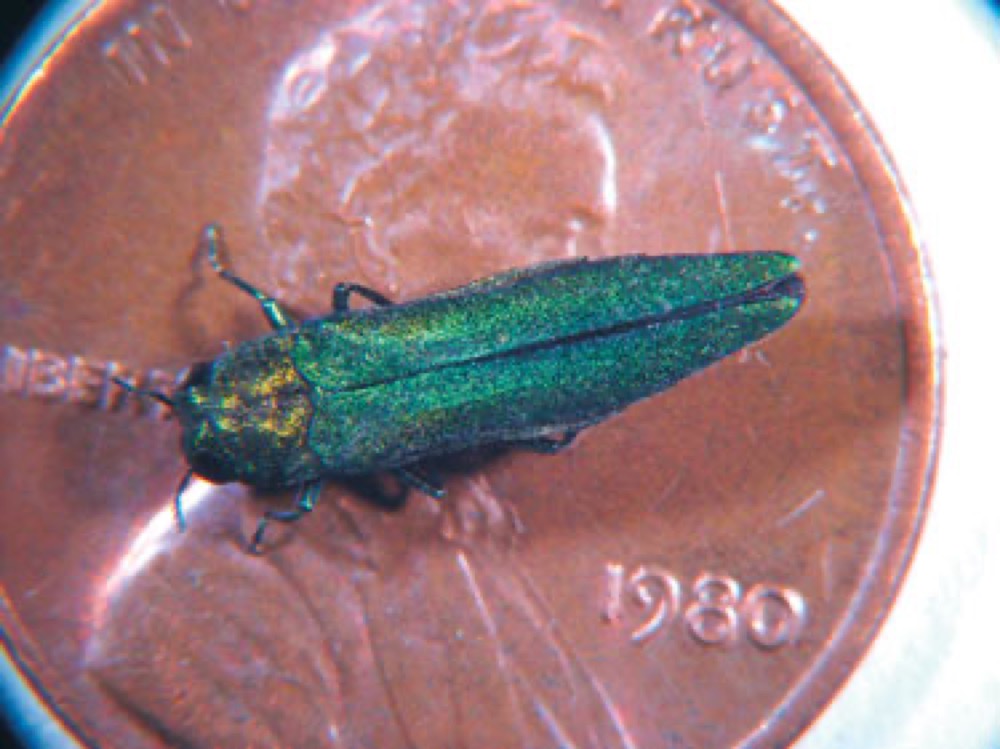
The Burmese python is established in the Florida Everglades. The others are lionfish (Atlantic reefs), cane toad (Australia) and emerald ash borer (North American ash trees).
Zebra mussels reached the Great Lakes mainly through:
Migrating waterfowl
Ship ballast water
Deliberate stocking for fishing
Escaped aquarium pets
Ships took on ballast water in European ports and discharged it into the Great Lakes, carrying larvae with it.
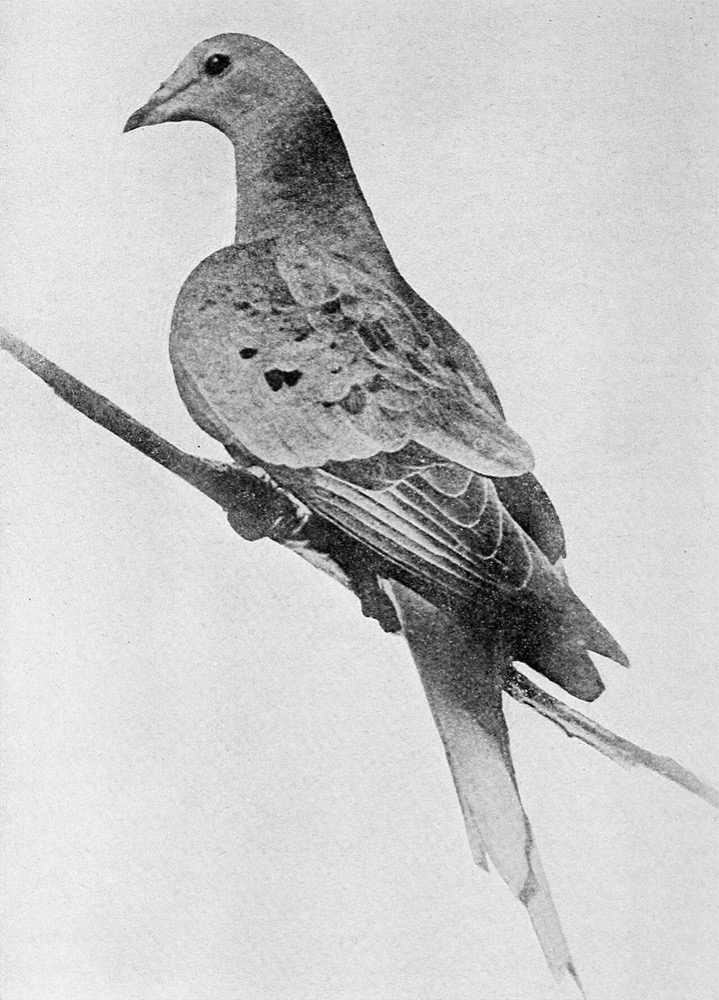
In 1914 the last passenger pigeon died. Which factors caused its extinction?
Ocean acidification
A single disease epidemic only
Competition from invasive starlings and climate change
Overhunting and habitat loss
Passenger pigeons were slaughtered commercially in huge numbers while forests were cleared.
Which IUCN Red List category is described as 'Extinct in the Wild'?
EW
EN
CR
EX
EW means survivors exist only in captivity or cultivation. EX = extinct, CR = critically endangered, EN = endangered.
Which category is NOT a 'threatened' category on the IUCN Red List?
Critically Endangered
Endangered
Near Threatened
Vulnerable
Threatened = Vulnerable, Endangered, Critically Endangered. Near Threatened is close to qualifying but not counted as threatened.
Which statement about ex situ conservation is correct?
It requires the species to be extinct in the wild
It is always better than protecting habitat
It protects species outside their natural habitat, for example in zoos and seed banks
It protects species only inside national parks
Ex situ methods are a backup (captive breeding, seed vaults); in situ protection also conserves ecological relationships.
Which law regulates international trade in endangered species such as elephants (ivory) and rhinos?
CITES
The Lacey Act of 1900 only
The Ramsar Convention
The Montreal Protocol
CITES (1973) regulates or bans international trade in listed species. Ramsar protects wetlands; the Montreal Protocol protects the ozone layer.
The US Endangered Species Act would classify a species 'likely to become endangered in the foreseeable future' as:
Extinct
Delisted
Endangered
Threatened
Endangered = at risk of extinction now. Threatened = likely to become endangered soon.
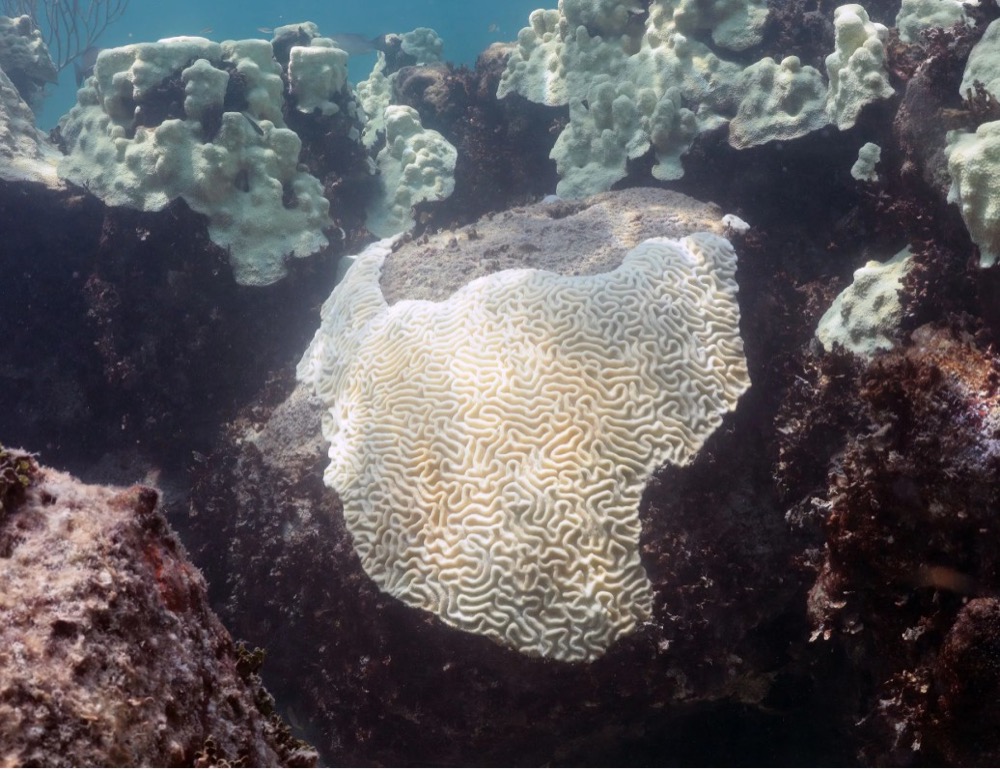
Coral bleaching happens when corals:
Produce too many gametes
Expel their symbiotic algae under stress such as high water temperature
Are eaten by sea urchins
Absorb too much calcium carbonate
Without the algae (zooxanthellae) the coral's white skeleton shows and the coral loses its main food source. Image: NOAA, public domain.
The Pacific yew tree provided the cancer drug paclitaxel. This best illustrates which argument for conserving biodiversity?
Cultural value
Genetic resources and bioprospecting
Supporting services
Aesthetic value
Unstudied species may contain medicines and other useful compounds that would be lost if they went extinct.
Which statement correctly describes the difference between background and mass extinction?
Mass extinctions are caused only by human activity
Background extinction only affects plants
Background extinction is always faster than mass extinction
Mass extinction is a rapid loss of a large share of species; background extinction is the normal low rate over geologic time
Five mass extinctions are recognized in the fossil record, the last about 66 million years ago.
A wildlife overpass across a highway is a good example of:
A wildlife corridor
An edge effect
A biodiversity hotspot
An invasive species control
Corridors reconnect fragmented habitat, allowing movement and gene flow.
