Quiz · Medium
Image-based questions on Baroque, Rococo, Neoclassicism, Romanticism, Realism and the Pre-Raphaelites.
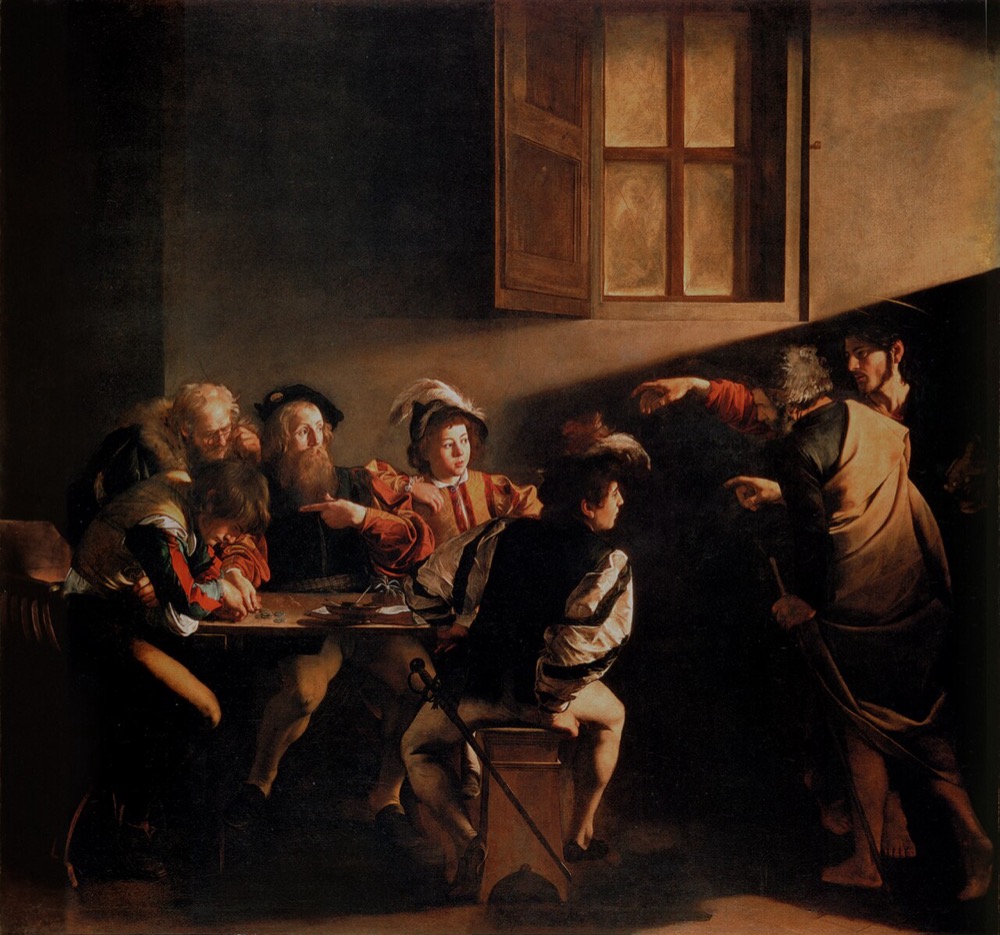
Which feature most clearly marks Caravaggio's style?
Geometric abstraction
Soft, hazy brushwork
Tenebrism: a sharp beam of light against deep darkness
Pastel color and ornament
Tenebrism is extreme chiaroscuro. Pastels are typical of Rococo, hazy touches of Turner and Impressionism.
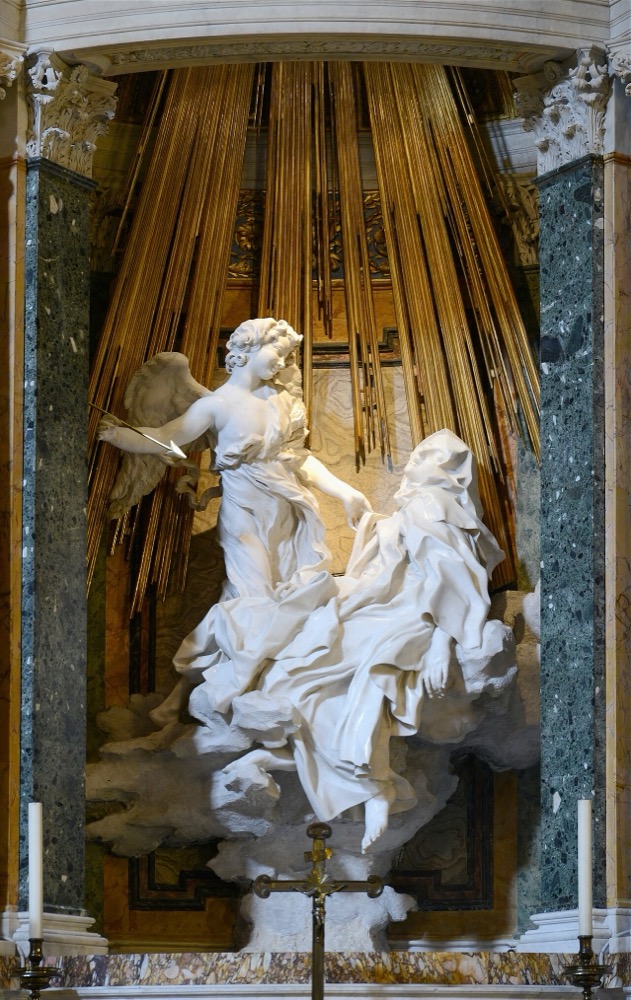
Bernini's Ecstasy of Saint Teresa is best described as:
A Neoclassical marble relief
A Rococo salon decoration
A Gothic Revival altar
A Baroque ensemble of sculpture, architecture and hidden light
The Cornaro Chapel is a theatrical total environment. Neoclassical works would be calmer.
Image: Gian Lorenzo Bernini, CC BY-SA 4.0, via Wikimedia Commons.
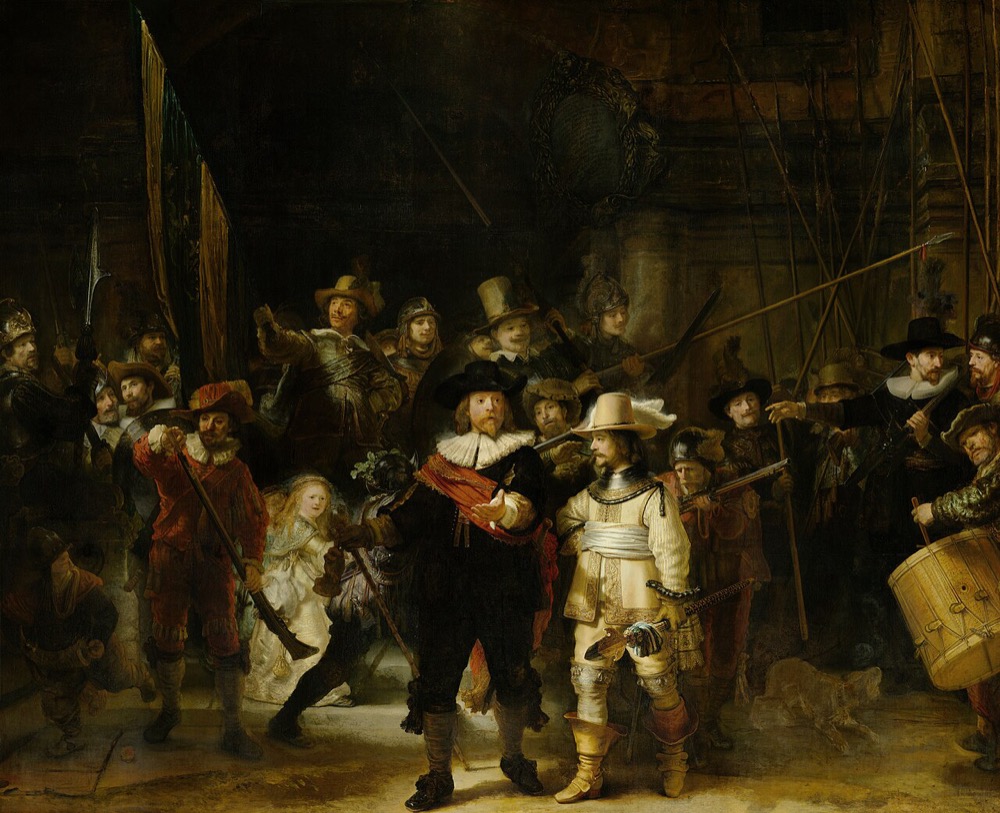
Which Baroque master painted The Night Watch?
Rubens
Rembrandt
Vermeer
Velázquez
It is a group portrait of an Amsterdam militia, in Rembrandt's chiaroscuro style.
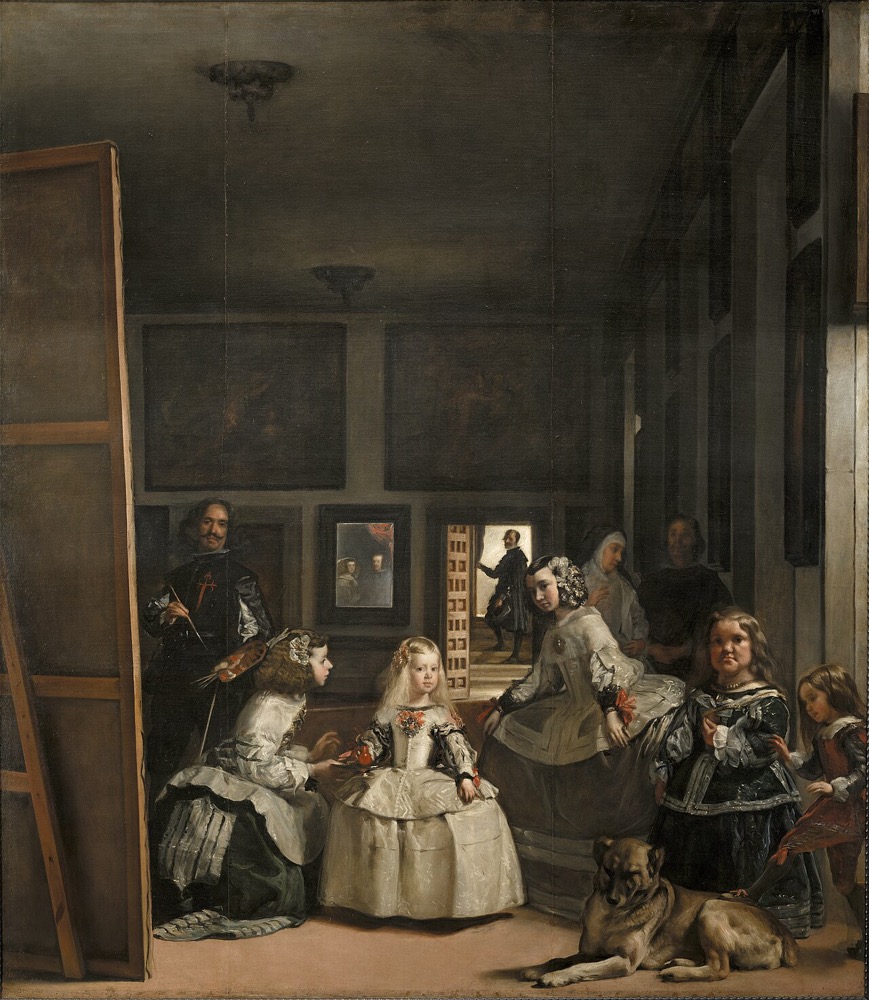
Las Meninas is by:
Rubens
Diego Velázquez
Anthony van Dyck
Francisco Goya
It shows Philip IV's court. Goya, a later Spaniard, admired the work.
Which statement about 17th-century Dutch art is true?
It rejected oil paint
It served a mainly middle-class market and specialized in genre, still life and landscape
It consisted mainly of royal portraits for Versailles
It was mainly commissioned by the Catholic Church
The Protestant republic had little religious art or court patronage.
Which of these is a typical Rococo painting?
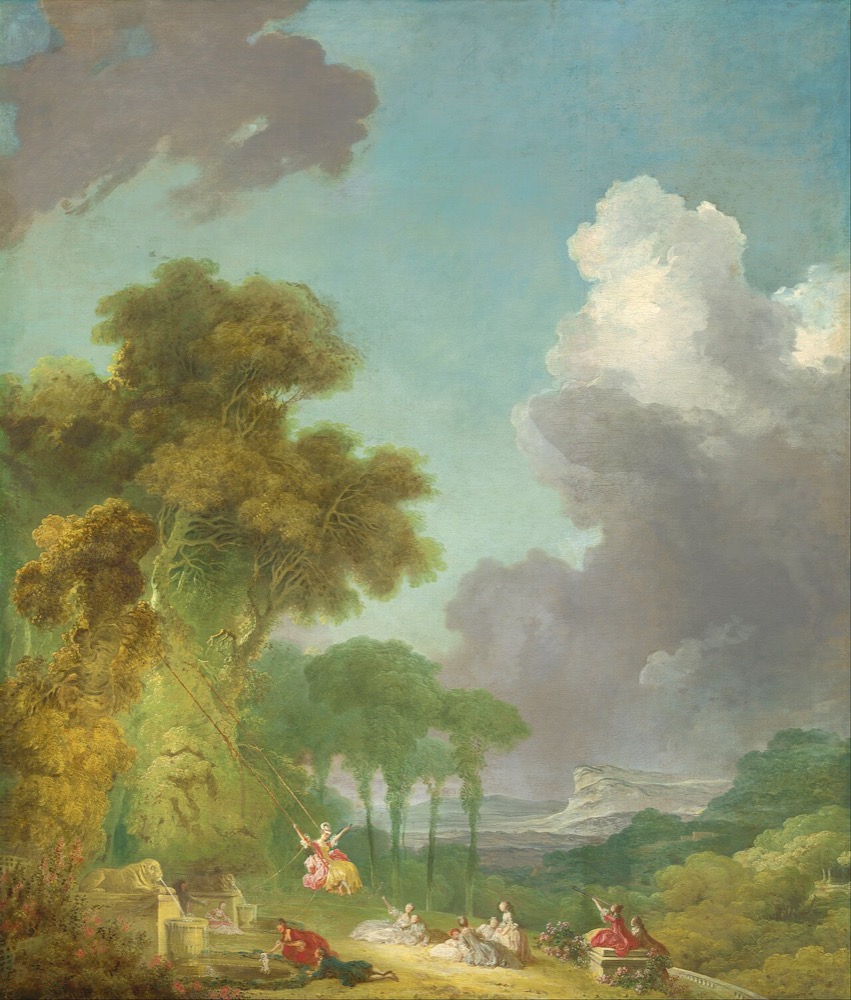
Courbet's Burial at Ornans
Fragonard's The Swing
Géricault's Raft of the Medusa
David's Oath of the Horatii
Fragonard's pink, playful scene fits Rococo. The others are Neoclassical, Romantic and Realist.
The fête galante, an outdoor party of elegant aristocrats, was developed by:
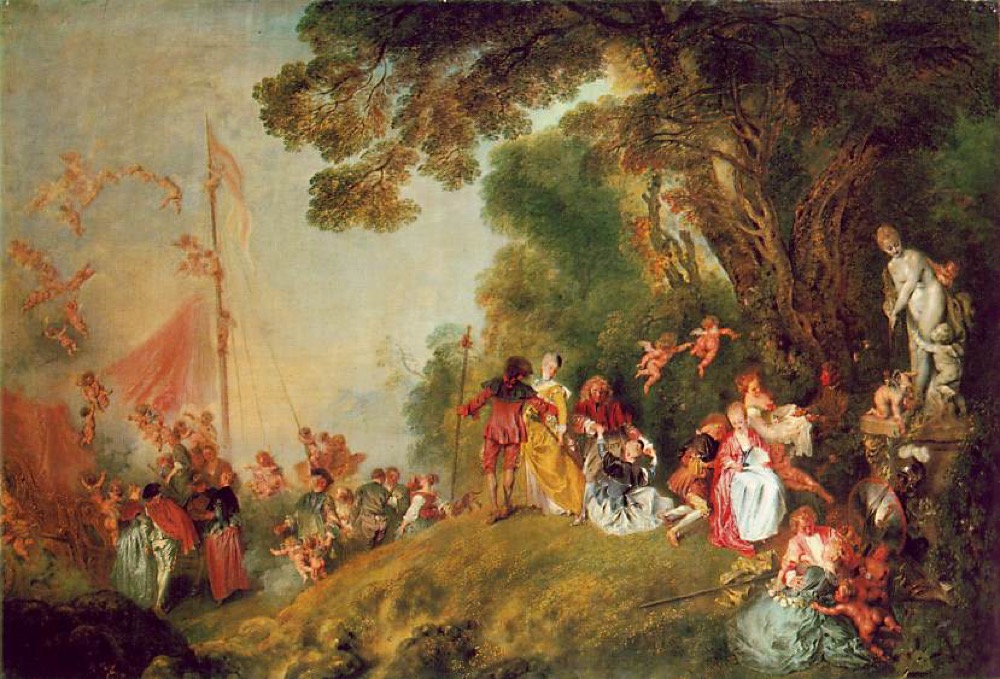
Antoine Watteau
Eugène Delacroix
Jean-François Millet
Jacques-Louis David
Watteau's Pilgrimage to Cythera (1717) is the model.
What made Neoclassicism arise in the mid-18th century?
The Enlightenment and the discovery of Pompeii and Herculaneum
The Counter-Reformation
The founding of the Bauhaus
The Industrial Revolution and photography
Winckelmann's praise of Greek art also helped. Photography arrived in 1839.
David's Oath of the Horatii promotes:
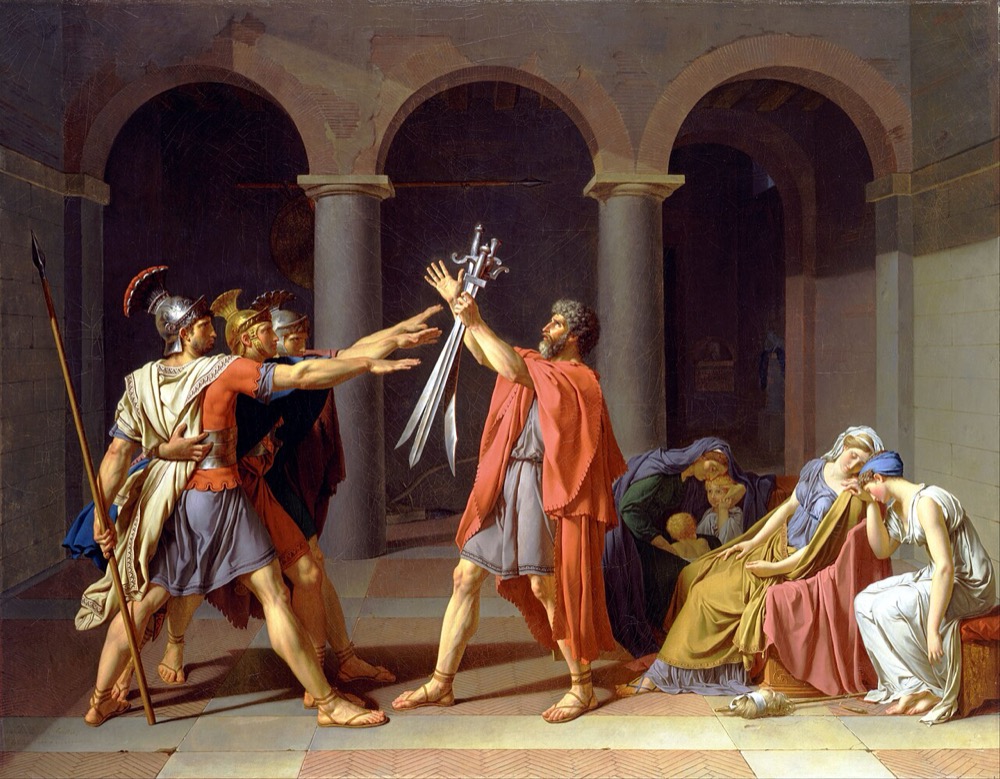
Escape into a dream
The beauty of landscape
Civic duty and sacrifice to the state
Aristocratic leisure
The Roman subject and rigid composition speak to republican virtue before the Revolution.
Which painter championed line over color and led Neoclassicism after David?
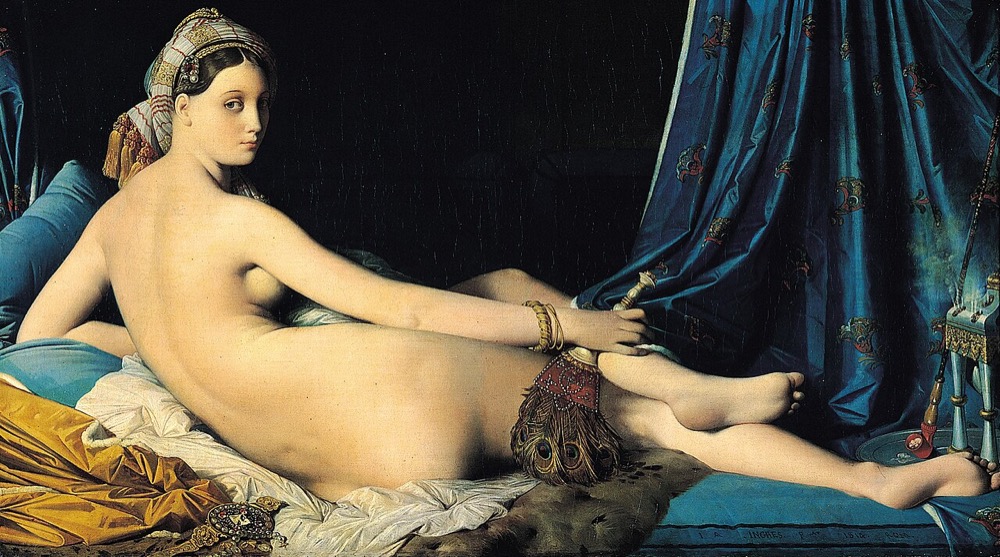
Courbet
Géricault
Ingres
Delacroix
Delacroix was Ingres's color-centered rival.
Wanderer above the Sea of Fog expresses:
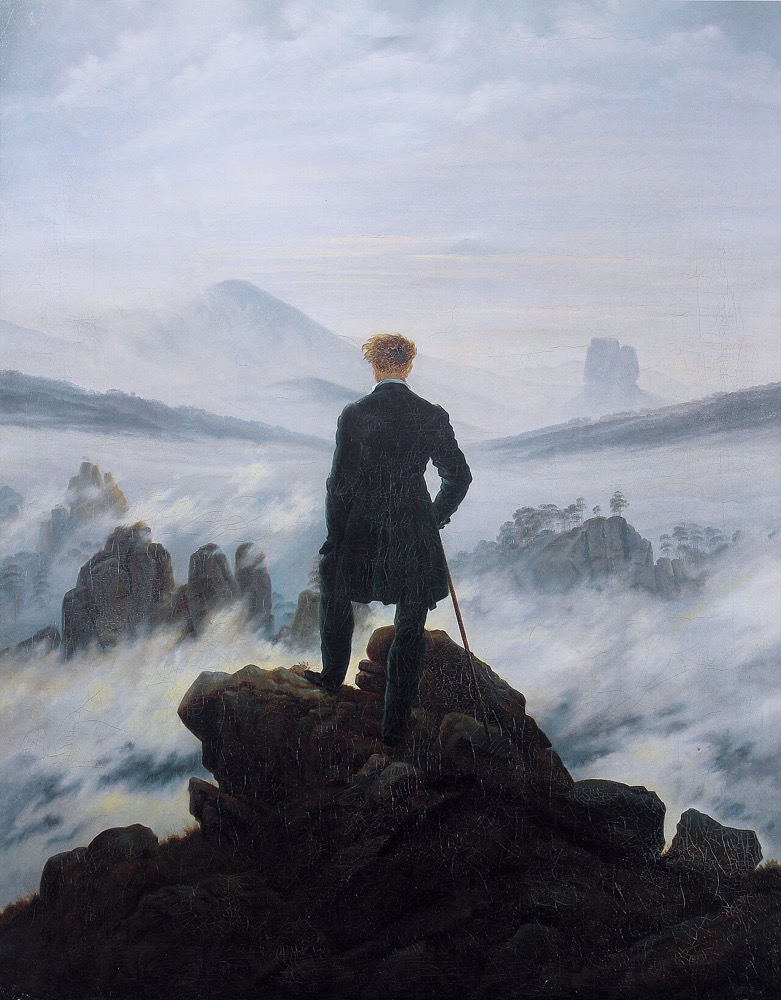
The sublime and solitary contemplation of nature
Industrial progress
A political revolution
Classical order
Friedrich was the leading German Romantic landscapist.
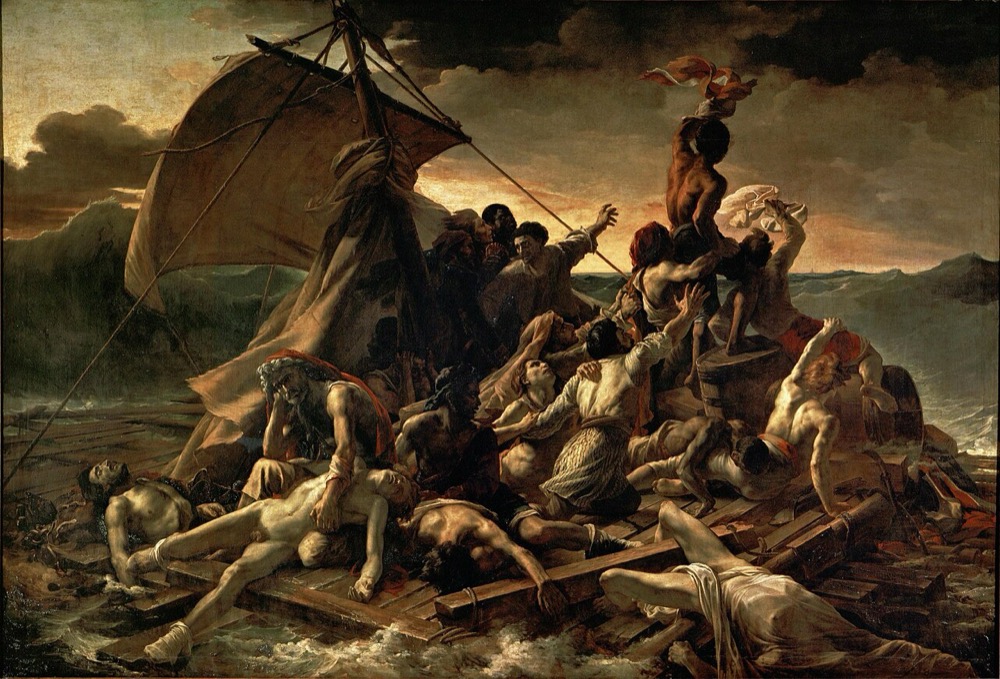
The Raft of the Medusa was based on:
A Greek myth
A Roman battle
A real shipwreck and a political scandal in 1816
A Biblical flood
Géricault researched survivors' accounts; the scale made it a work of public criticism.
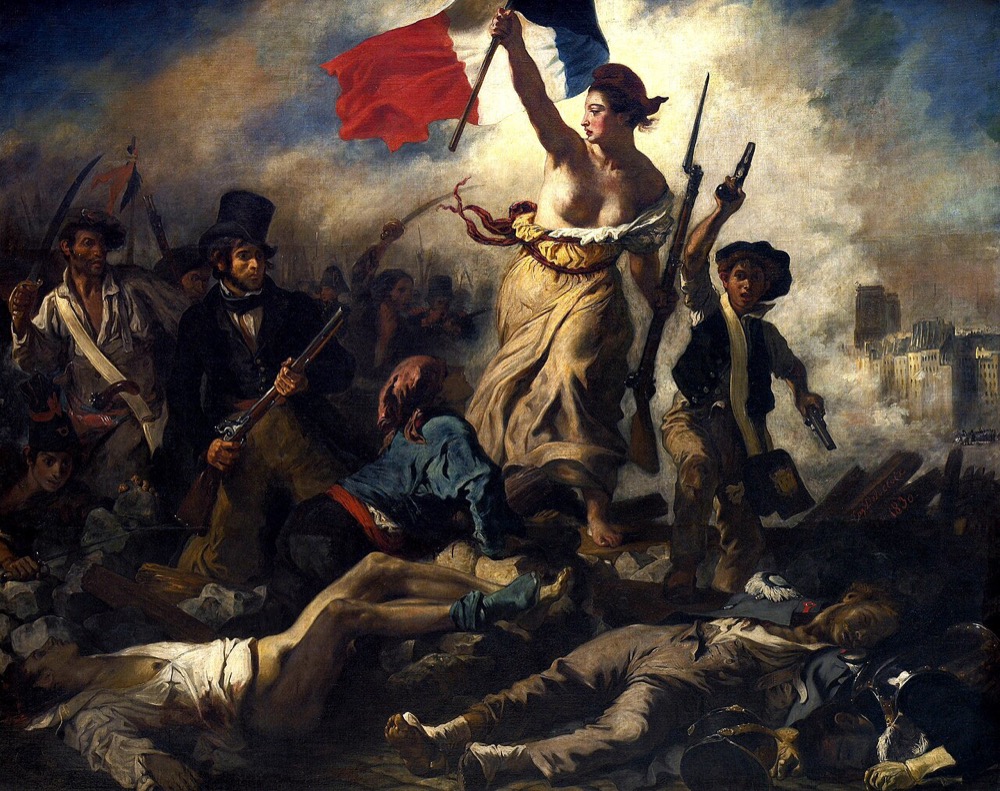
Which feature of Liberty Leading the People is Romantic?
Pointillist technique
Strict classical symmetry
Passionate emotion, color and a heroic allegory of a recent event
A detached portrayal of a rural funeral
Delacroix mixed allegory with real figures. It commemorates the 1830 July Revolution.
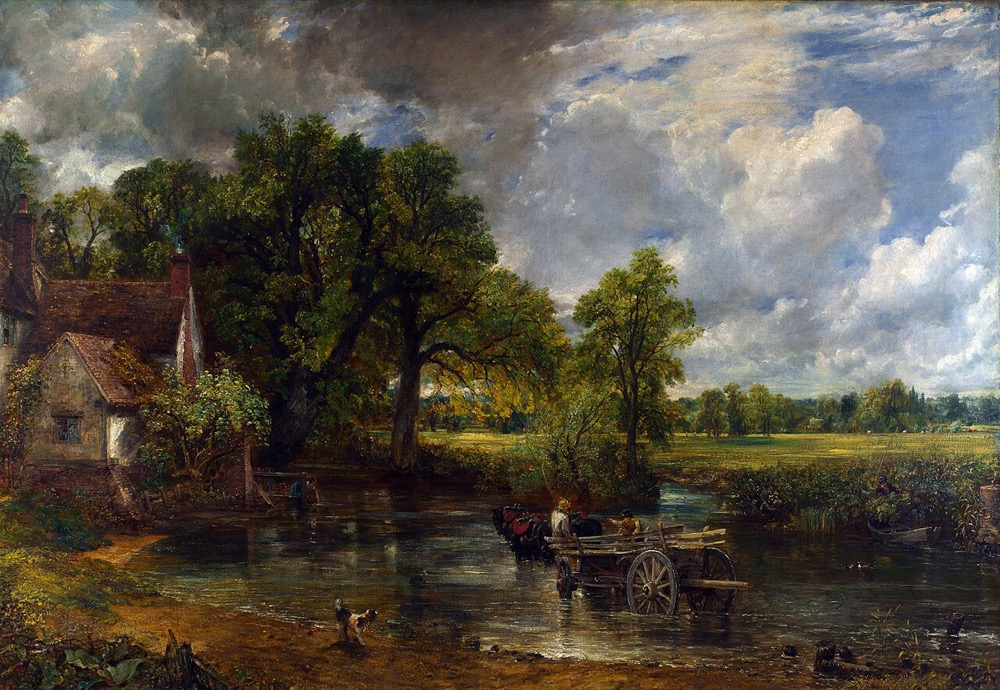
Constable and Turner are both associated with:
Rococo portraiture
Realist social painting
English Romantic landscape painting
Neoclassical history painting
Constable observed the countryside; Turner dramatized light and the sublime.
Courbet's A Burial at Ornans shocked critics because it:
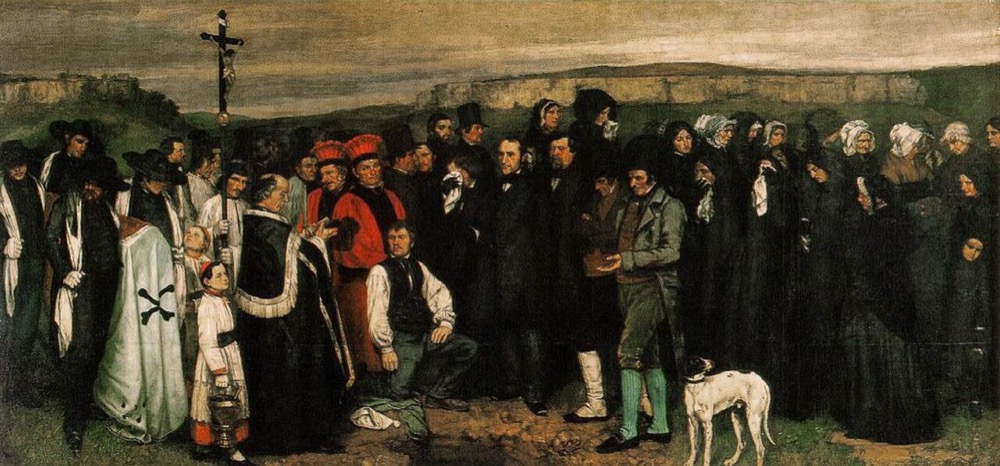
Gave a monumental scale to a plain provincial funeral
Used gold leaf
Showed a pagan ritual
Was painted in dots
Large canvases were reserved for history painting; Courbet used it for ordinary villagers.
Millet's The Gleaners is an example of:
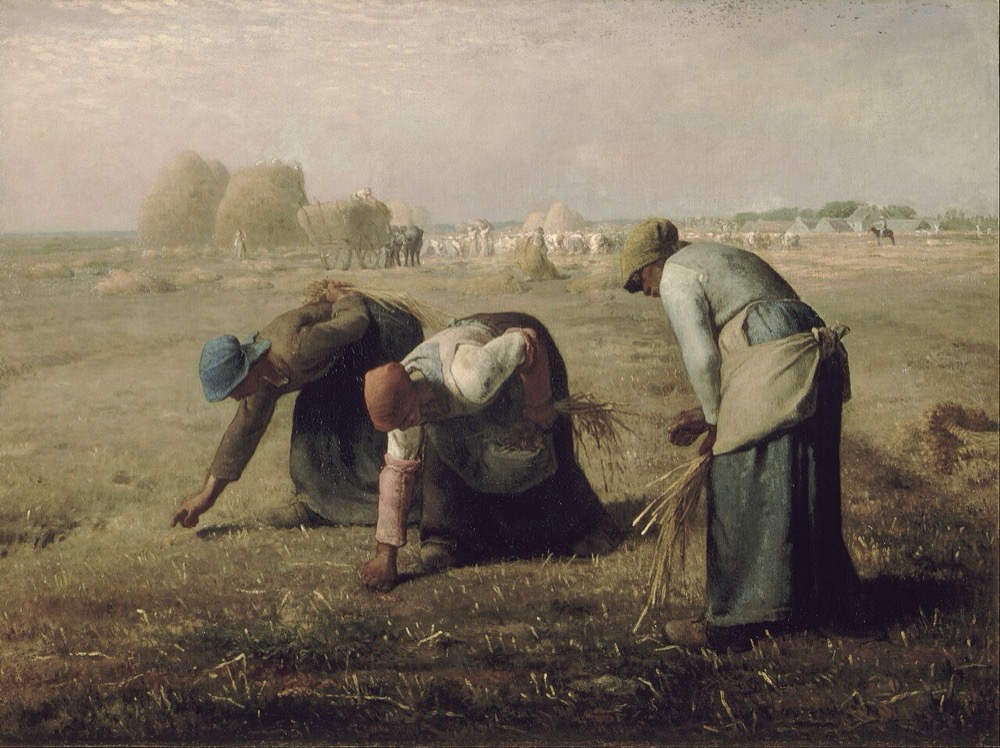
Realism with sympathy for rural laborers
Rococo pastoral fantasy
Academic mythology
Futurist movement
Millet's peasants have dignity and the scene hints at social tension.
The Pre-Raphaelite Brotherhood wanted to:
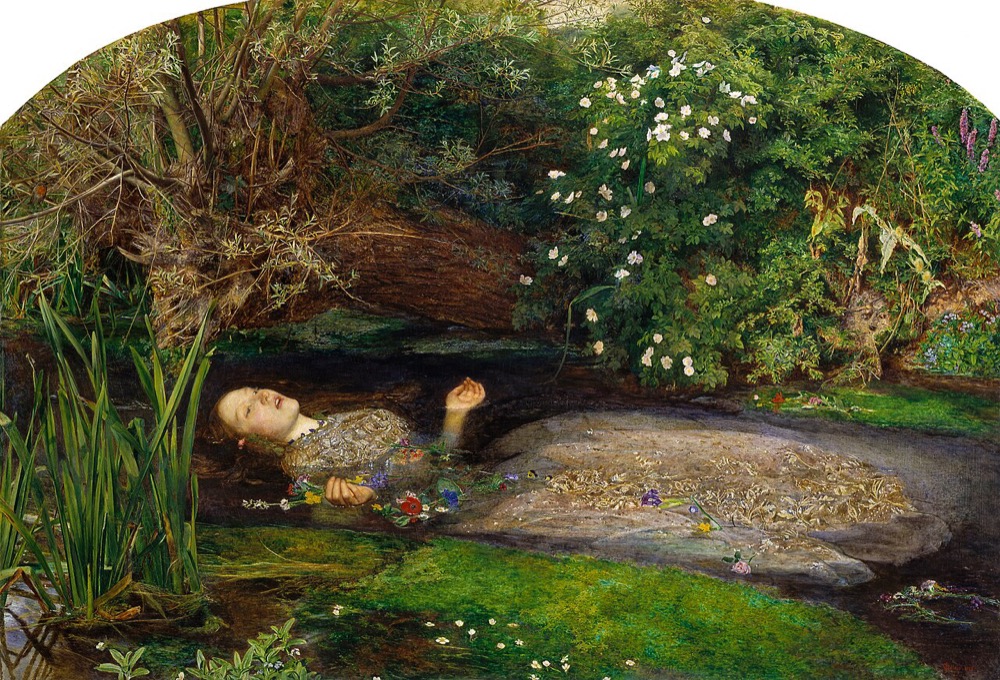
Return to the sincerity and detail of art before Raphael
Copy photographs
Imitate Michelangelo's anatomy
Embrace abstraction
Their bright, meticulous style rejected the conventions of academic art.
Goya's Third of May 1808 is best seen as:
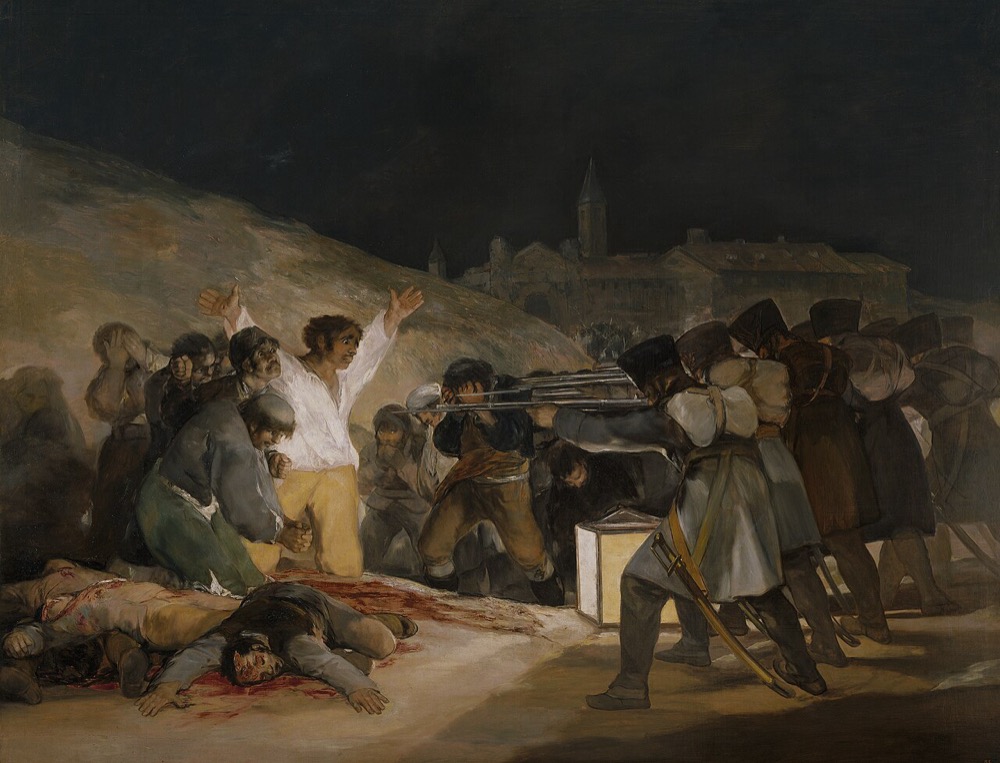
An emotional protest against the atrocities of war
A Neoclassical history painting
A celebration of Napoleon
A peaceful rural scene
The lantern light, anonymous firing squad and the central victim create a powerful anti-war image.
Which movement used the 'whiplash' line and plant motifs in architecture and posters?
Academic art
Pop Art
Cubism
Art Nouveau
Mucha, Gaudí and Horta are key names.
Tiepolo's Würzburg ceiling is best described as:
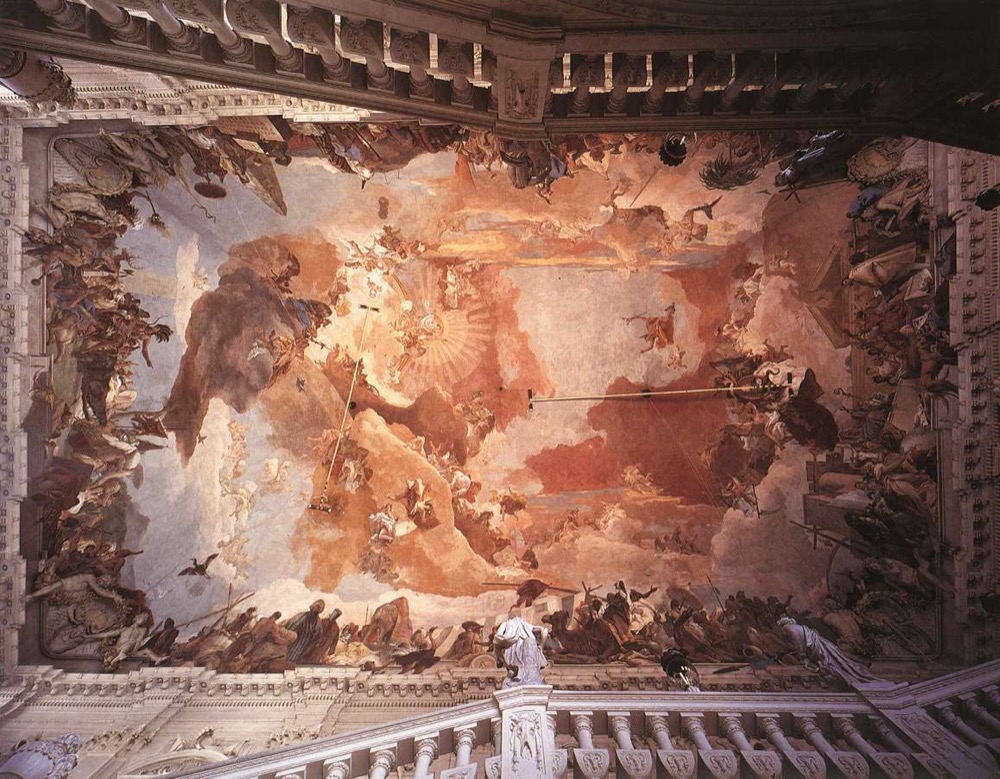
A luminous, airy late Baroque-Rococo fresco with illusionistic figures
A Neoclassical relief
A Gothic Revival window
A Realist genre painting
It continues the Baroque tradition of illusionistic ceilings with Rococo lightness.
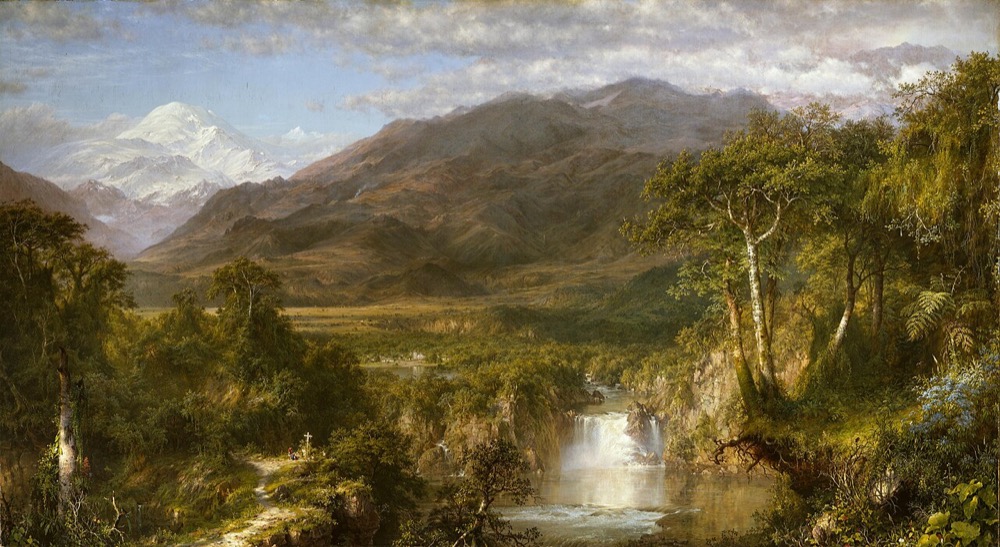
True or false: the Hudson River School painted American landscapes with a Romantic sense of grandeur.
False
True
Thomas Cole and Frederic Church are its best-known painters.
