Quiz · Medium
Identify woodwind, brass, string and percussion instruments from photos and answer questions on tuning and transposition.
Which method classifies instruments as idiophones, membranophones, chordophones, aerophones and electrophones?
Zarlino
Hornbostel-Sachs
Solfege
Rameau
The Hornbostel-Sachs system.
Which instrument is shown?
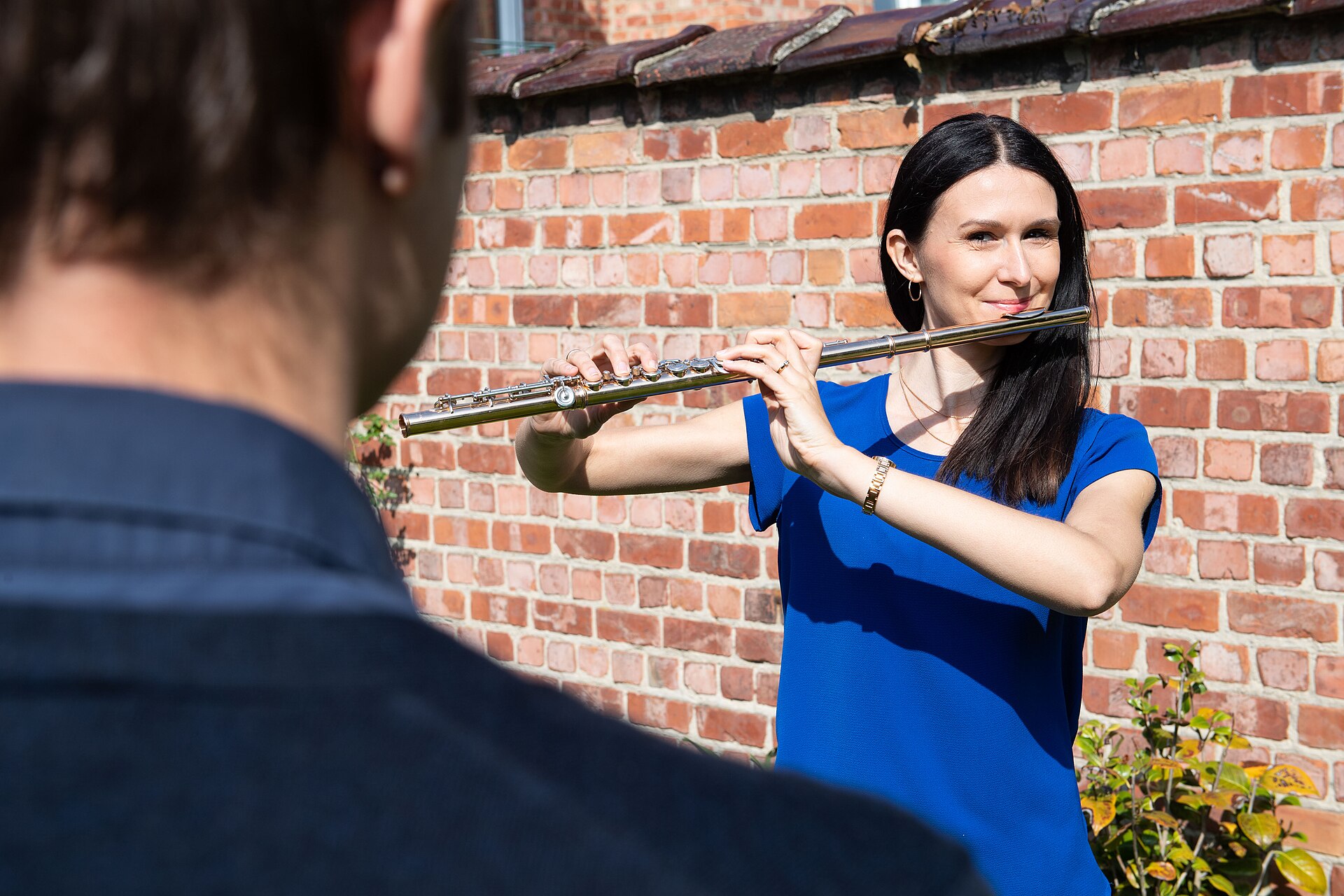
Oboe
Clarinet
Flute
Piccolo
The flute is held sideways and sounds by air split across an edge.
Image: Lukasz Kobus, European Commission, CC BY 4.0, via Wikimedia Commons.
This photo shows a woodwind with a double reed that gives the orchestra its tuning A. What is it?
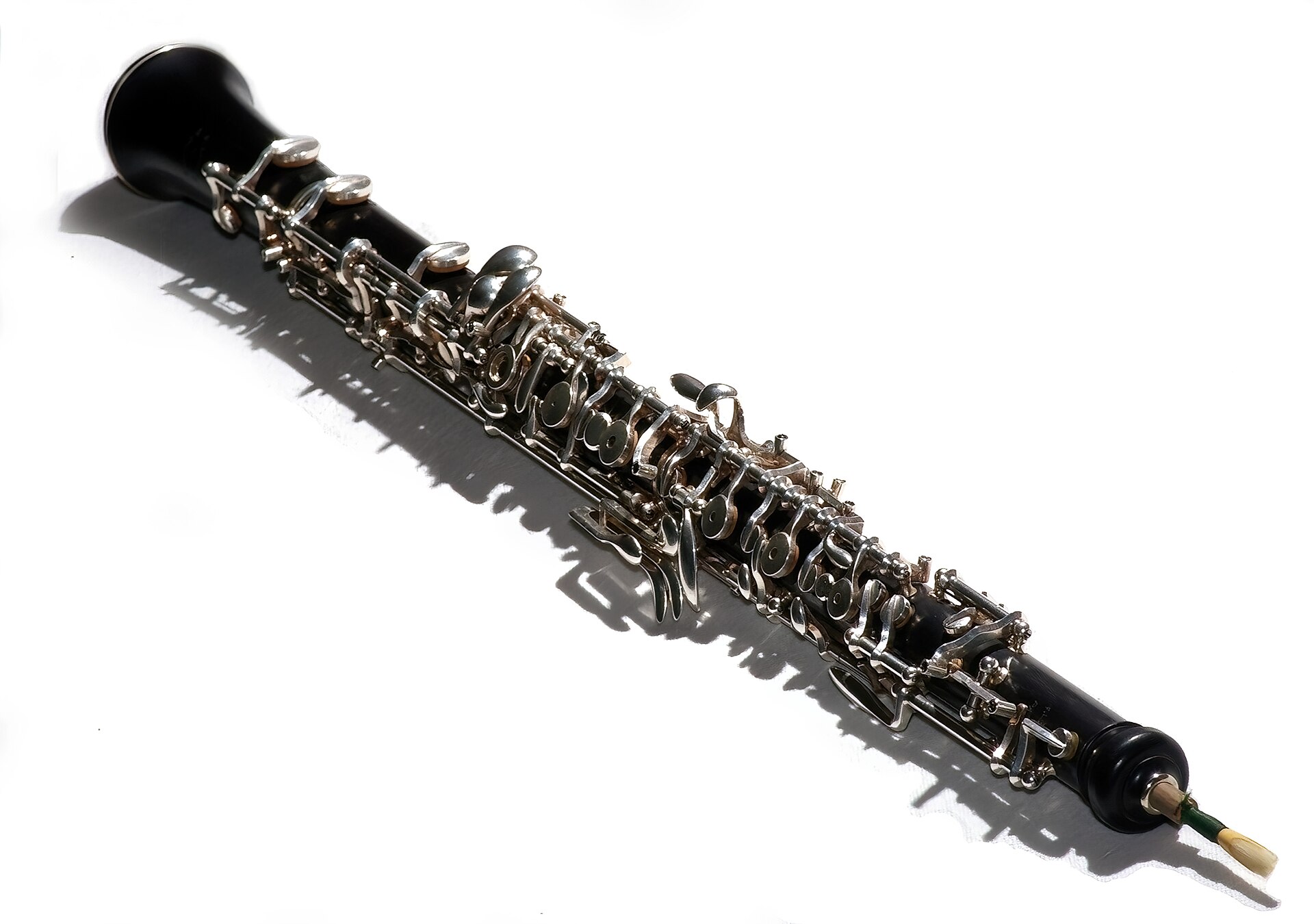
Bassoon
Clarinet
Saxophone
Oboe
The oboe has a double reed and plays the tuning A.
Image: Hustvedt, CC BY-SA 3.0, via Wikimedia Commons.
Which instrument has a single reed and a cylindrical bore and overblows at the twelfth?
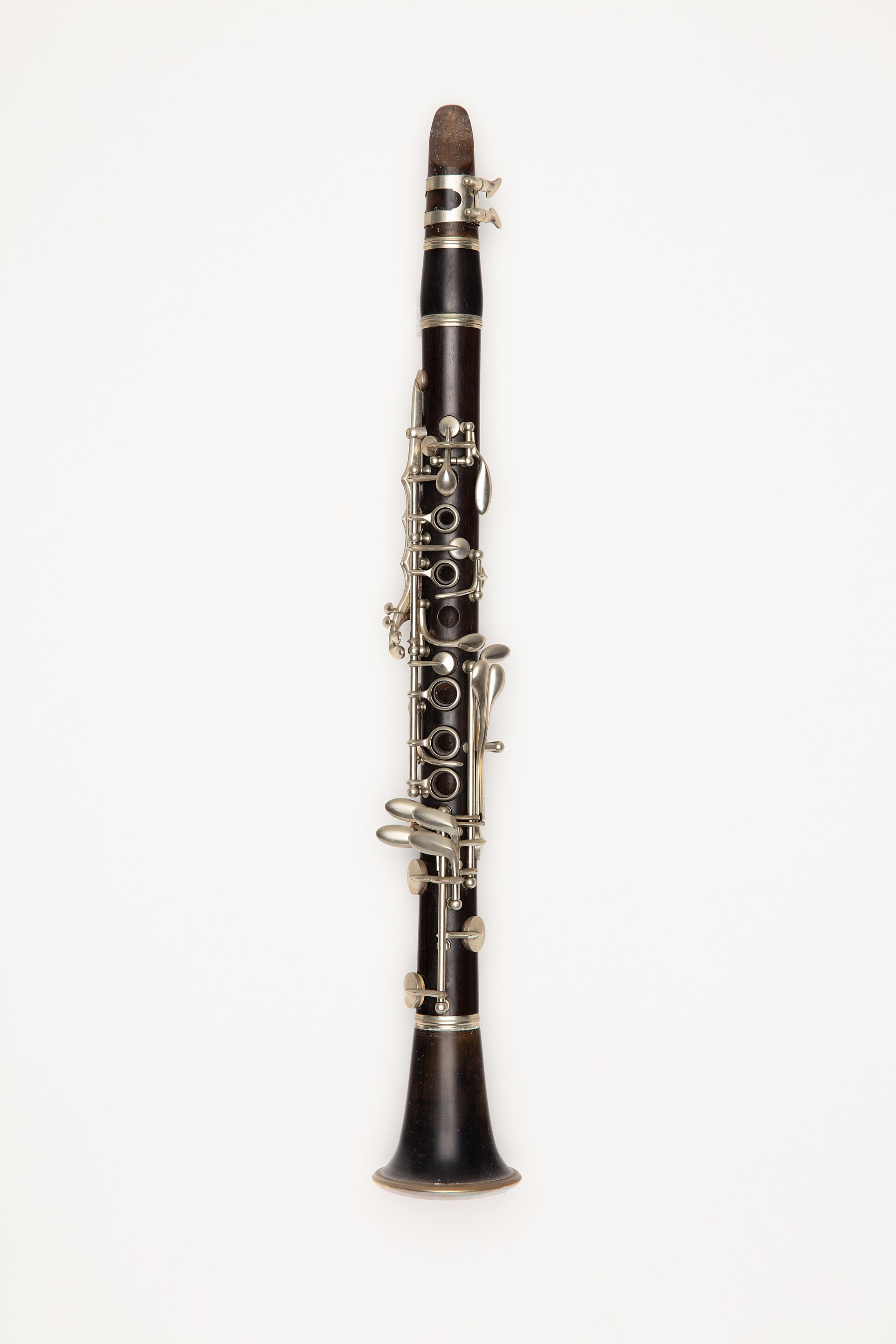
Oboe
Clarinet
Flute
Bassoon
Clarinet.
Image: Auckland Museum, CC BY 2.0, via Wikimedia Commons.
This large double-reed woodwind plays in the bass register. What is it?
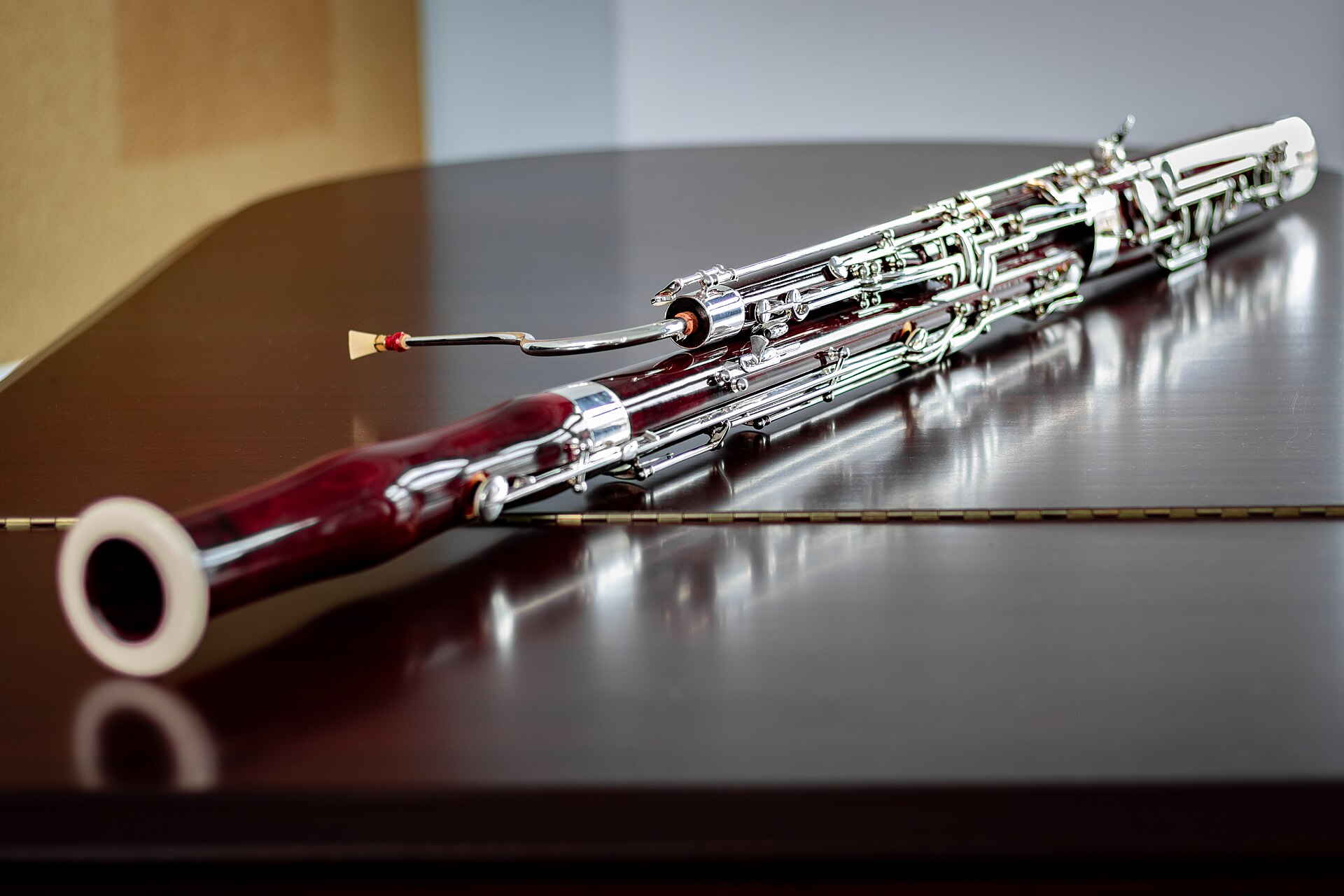
Bassoon
English horn
Tuba
Bass clarinet
The bassoon's tube is about 2.5 m long, folded.
Image: mark.drummer, CC BY 2.0, via Wikimedia Commons.
The four instruments shown belong to which family?
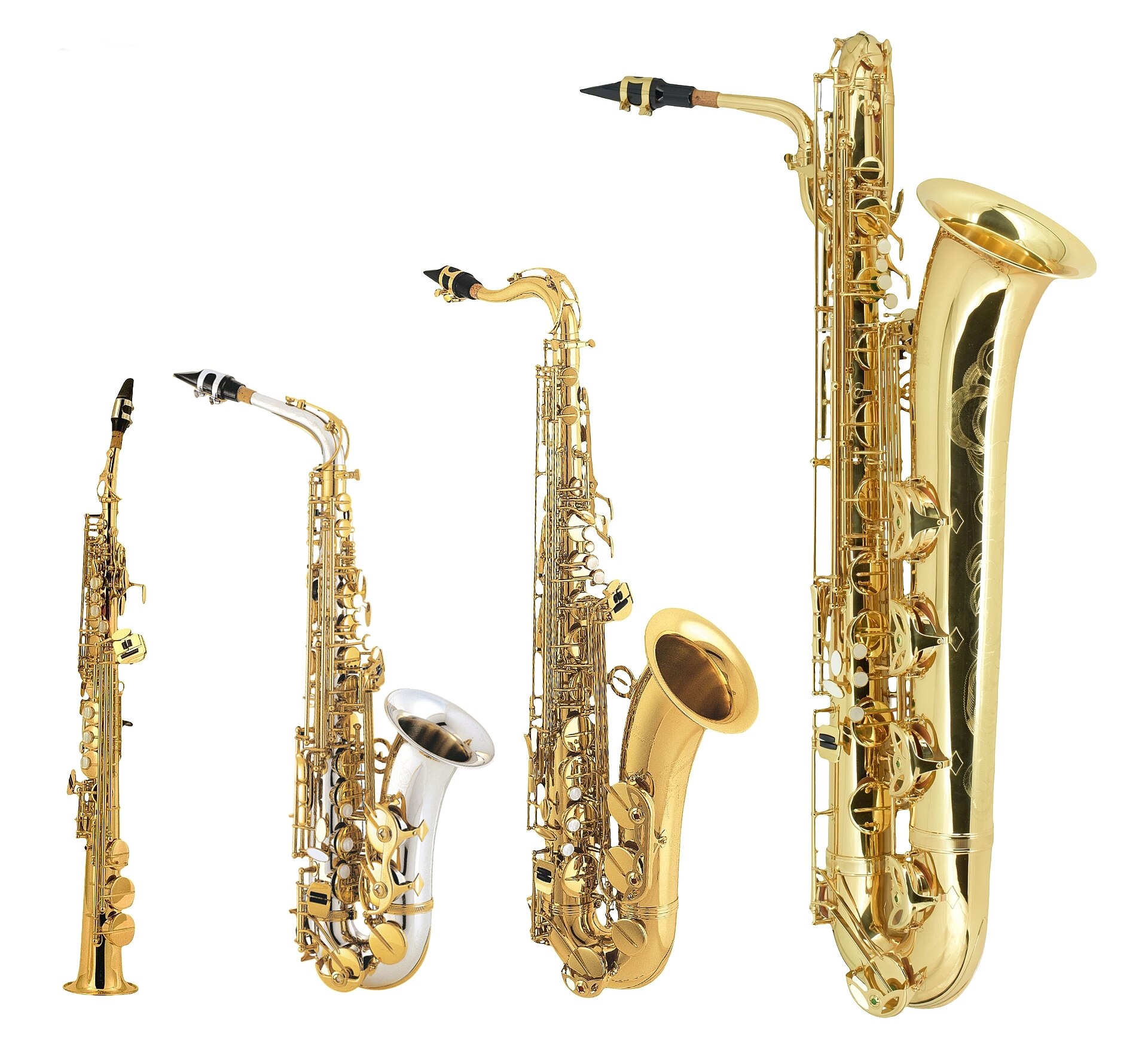
Flutes
Clarinets
Saxophones
Oboes
Saxophones were patented by Adolphe Sax in 1846.
Image: Amati Kraslice, CC BY-SA 4.0, via Wikimedia Commons.
Why is the saxophone classed as a woodwind?
It is made of wood
It uses a single reed
It has no keys
It has a slide
Material does not decide the family; the reed does.
Which brass instrument is shown, with three piston valves?
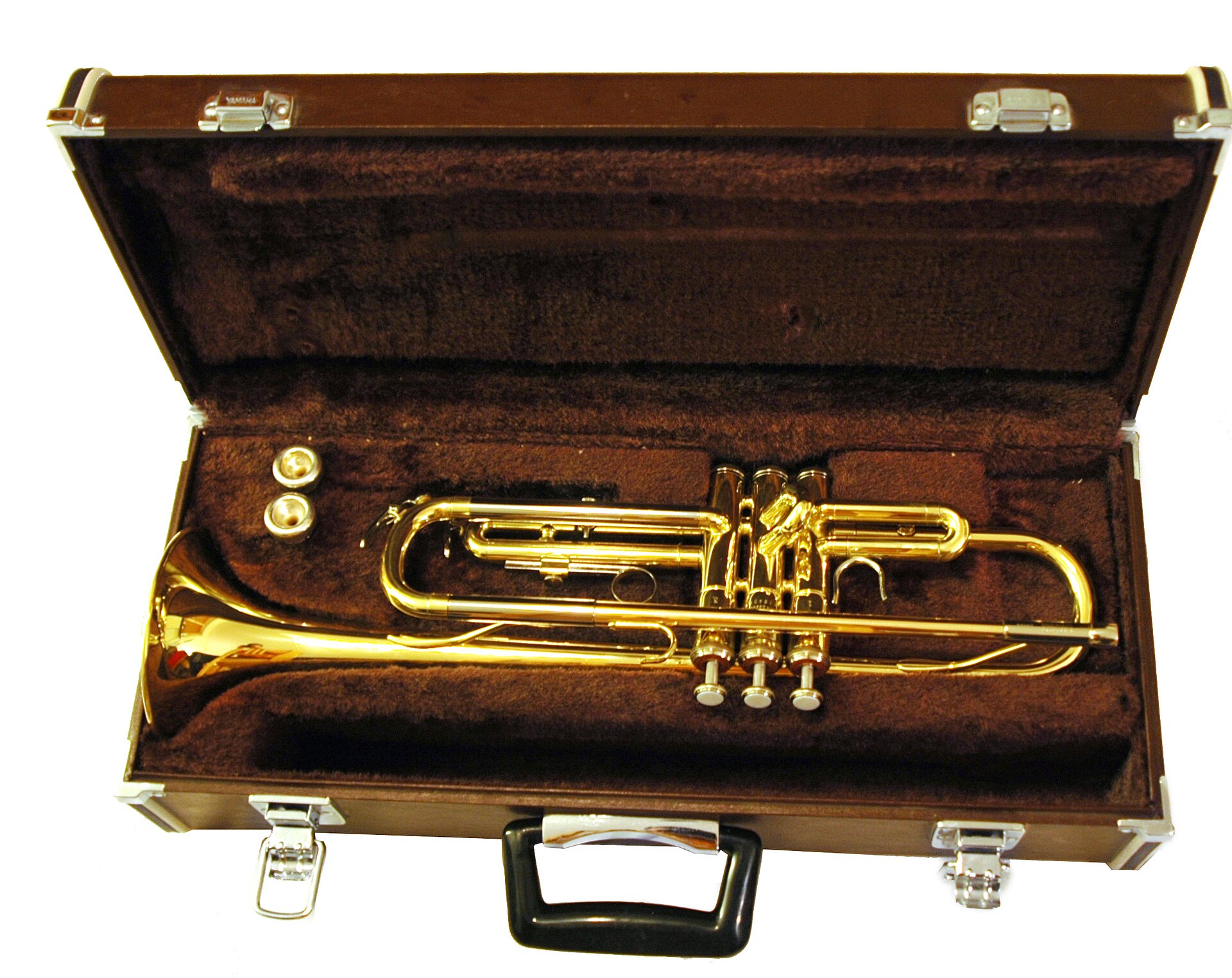
Trombone
Trumpet
Tuba
Euphonium
The B-flat trumpet.
Image: Amada44, CC BY-SA 3.0, via Wikimedia Commons.
Which brass instrument changes pitch with a slide?
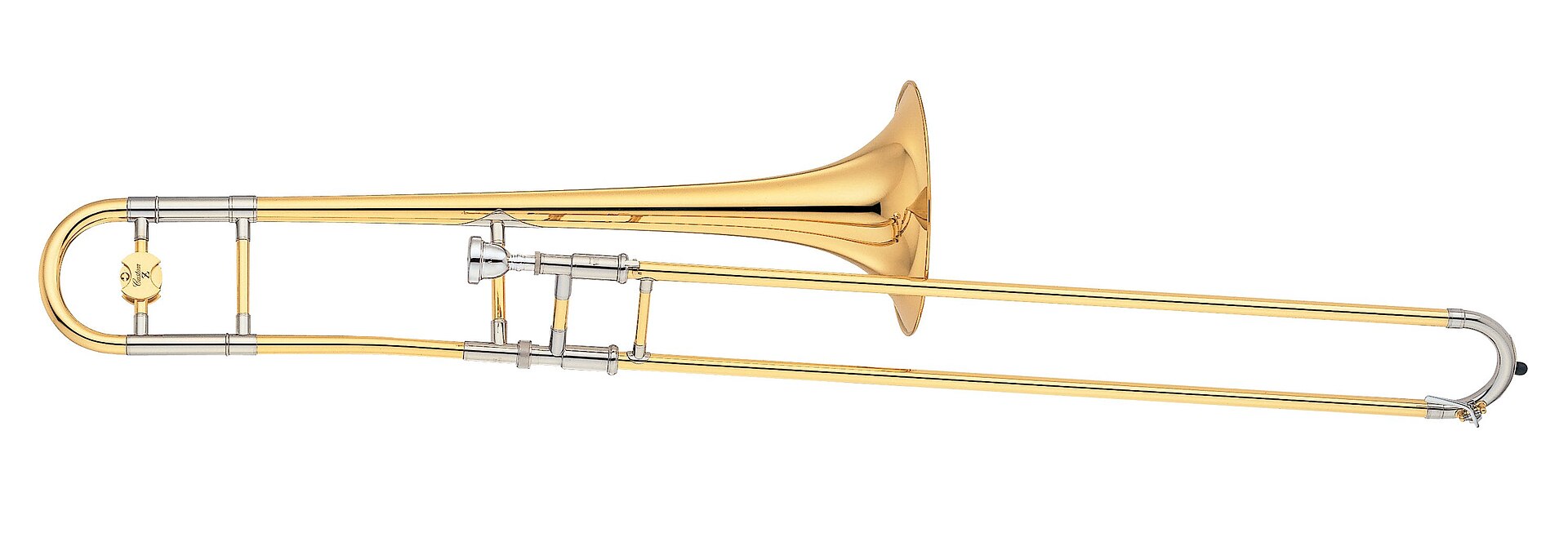
Trumpet
Horn
Tuba
Trombone
Seven positions.
Image: Yamaha Corporation, CC BY-SA 4.0, via Wikimedia Commons.
Which coiled brass instrument has a hand in its bell?
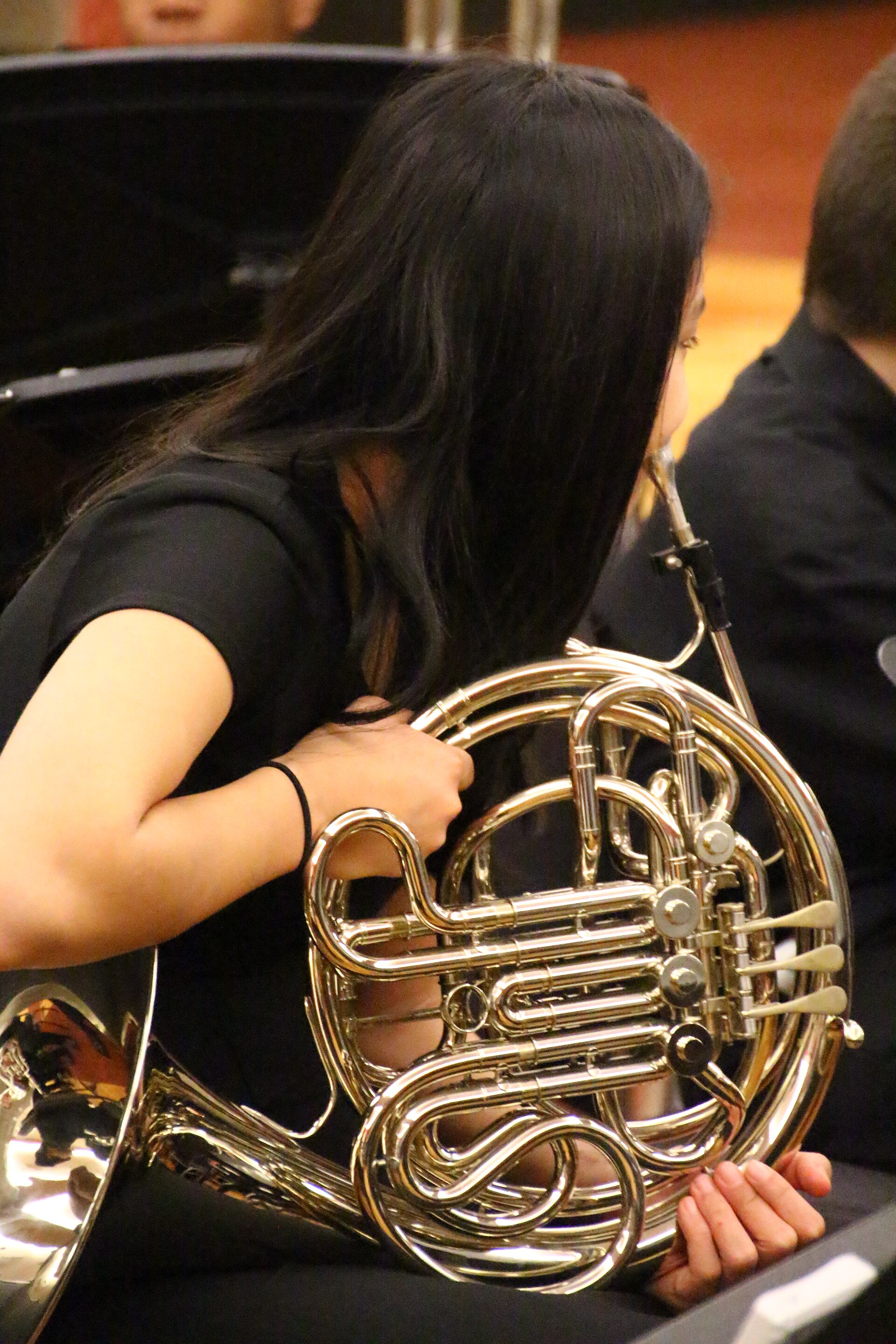
Euphonium
French horn
Tuba
Cornet
The French horn.
Image: Loadmaster (David R. Tribble), CC BY-SA 3.0, via Wikimedia Commons.
Which instrument is the lowest in the violin family and is tuned in fourths (E A D G)?
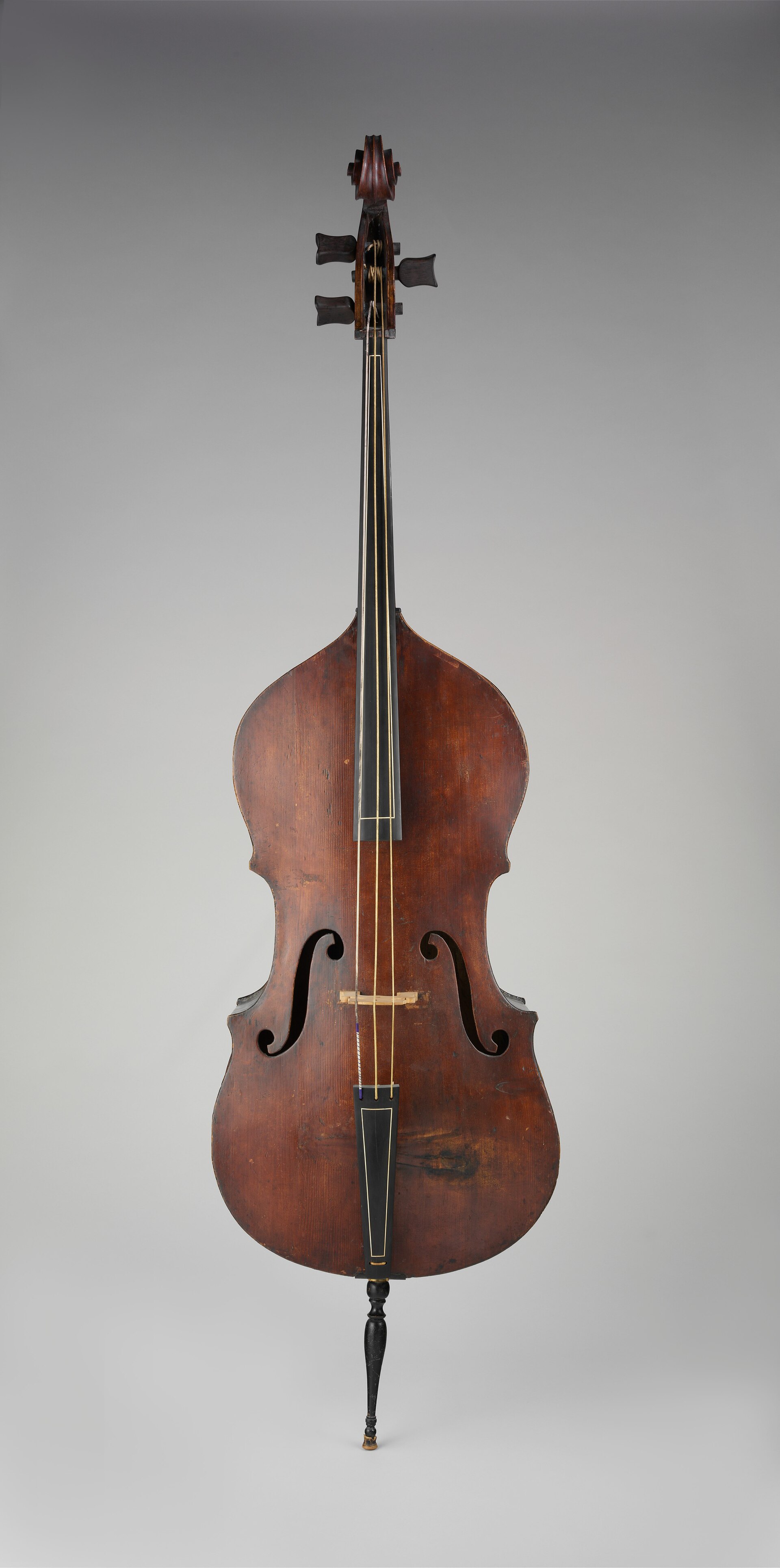
Cello
Viola
Double bass
Harp
The double bass.
Image: The Metropolitan Museum of Art, CC0, via Wikimedia Commons.
Which string instrument is shown, whose strings are C G D A?
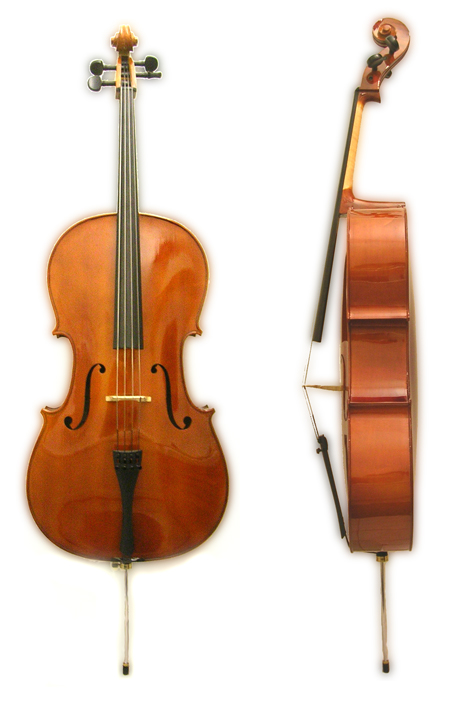
Viola
Cello
Violin
Viola da gamba
The cello.
Image: Georg Feitscher, CC BY-SA 3.0, via Wikimedia Commons.
How many strings does a concert harp have?
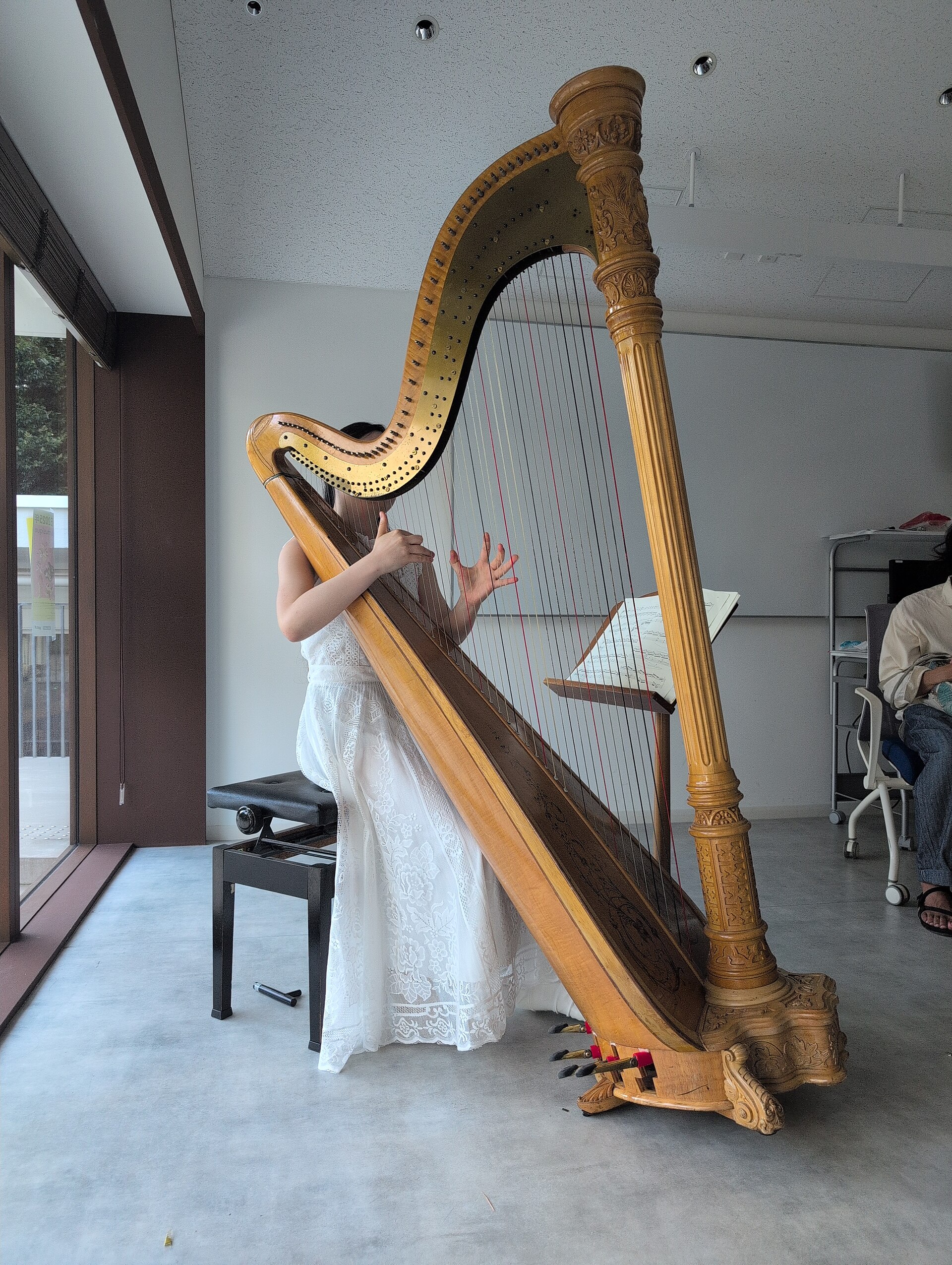
32
40
47
52
47 strings and seven pedals.
Image: Syced, CC0, via Wikimedia Commons.
Which percussion instruments, tuned with pedals, are shown?
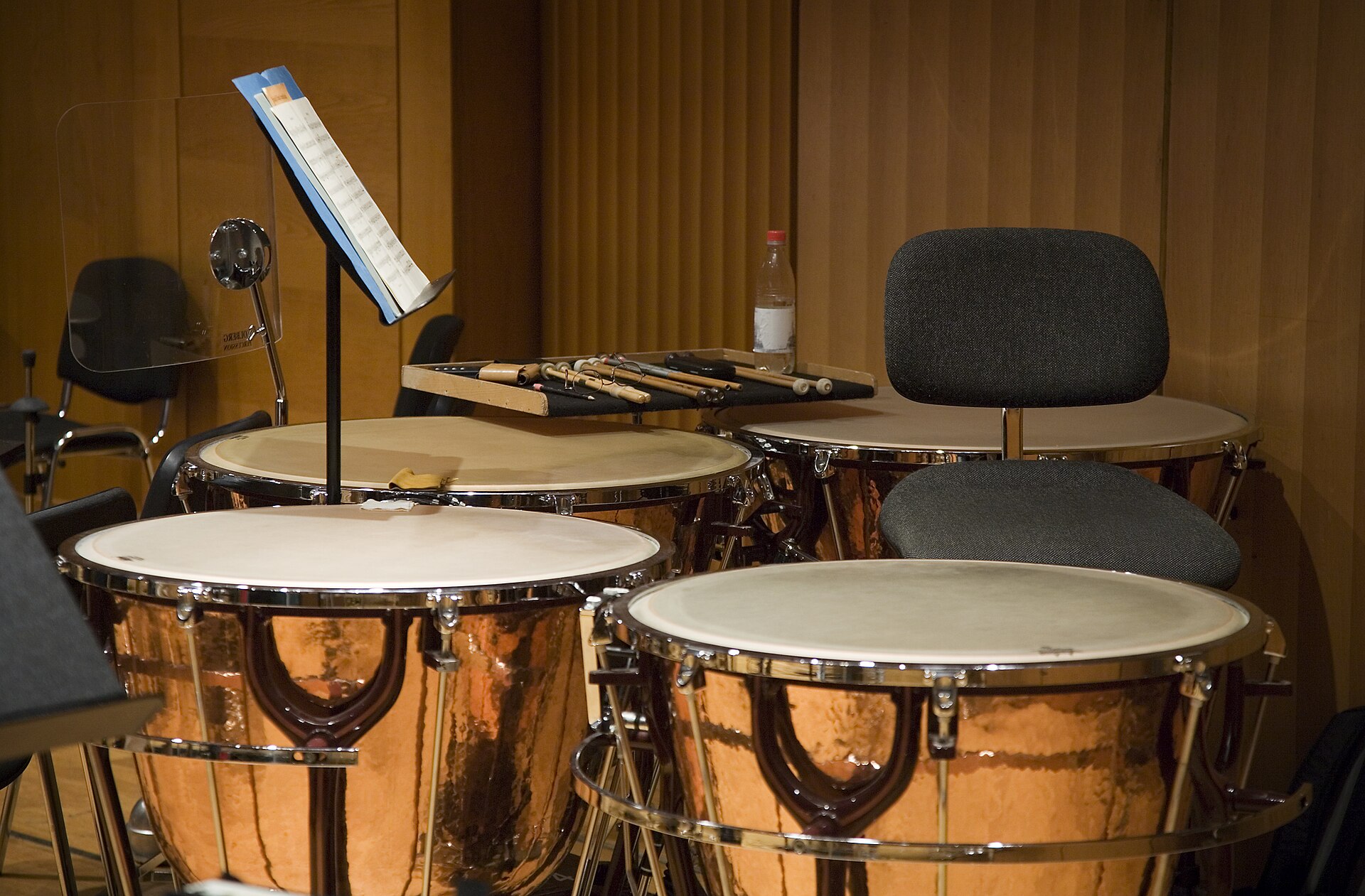
Congas
Snare drums
Timpani
Bongos
Timpani are kettledrums.
Image: Jorge Royan, CC BY-SA 3.0, via Wikimedia Commons.
Which bar instrument has wooden bars with resonators and a warm tone?
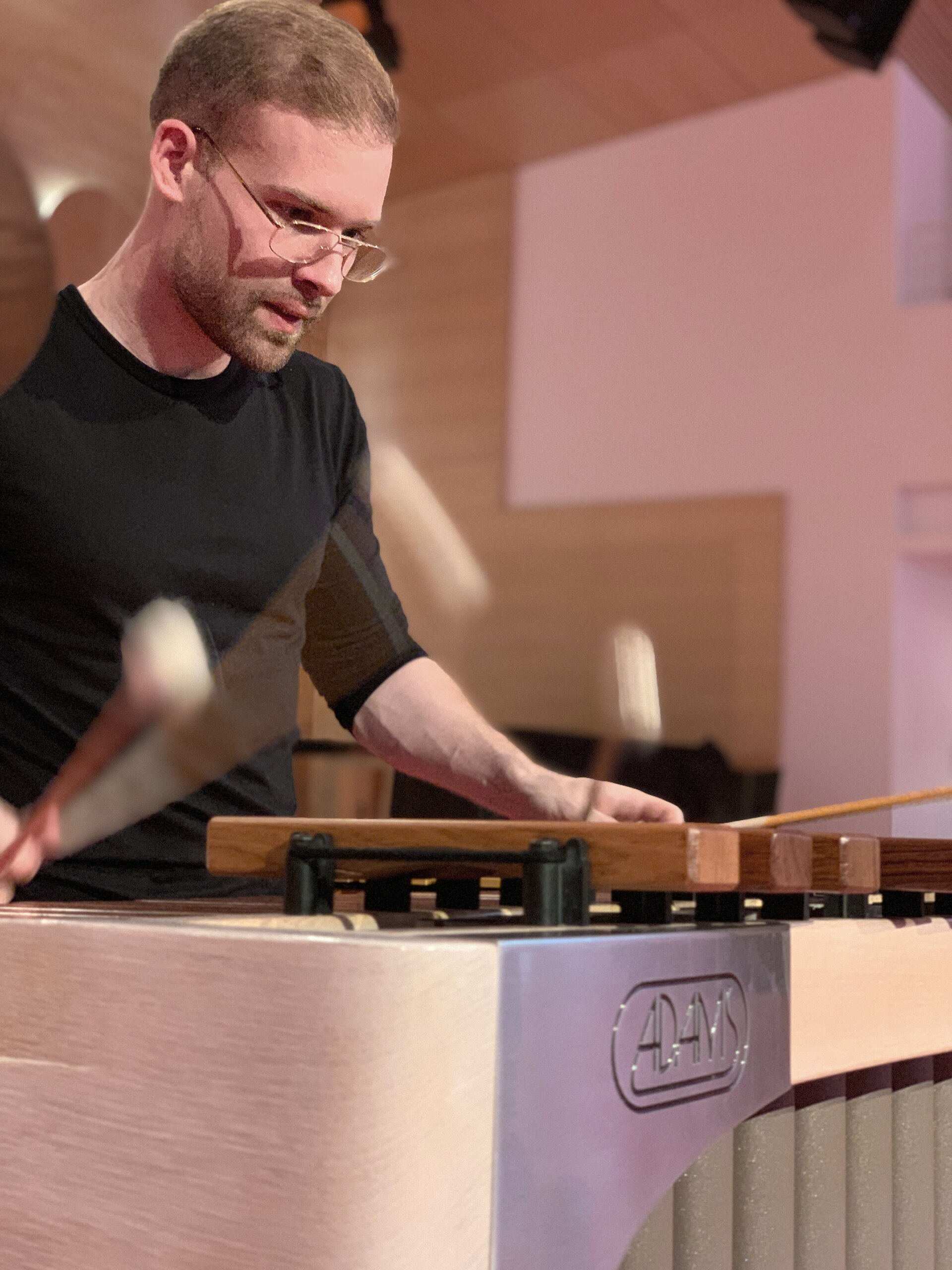
Vibraphone
Glockenspiel
Marimba
Celesta
The marimba.
Image: Marc Strobel, CC BY-SA 4.0, via Wikimedia Commons.
A B-flat clarinet sounds which interval below its written pitch?
A minor third
A perfect fifth
A major second
An octave
It is a transposing instrument in B-flat.
Which instrument sounds an octave higher than written?
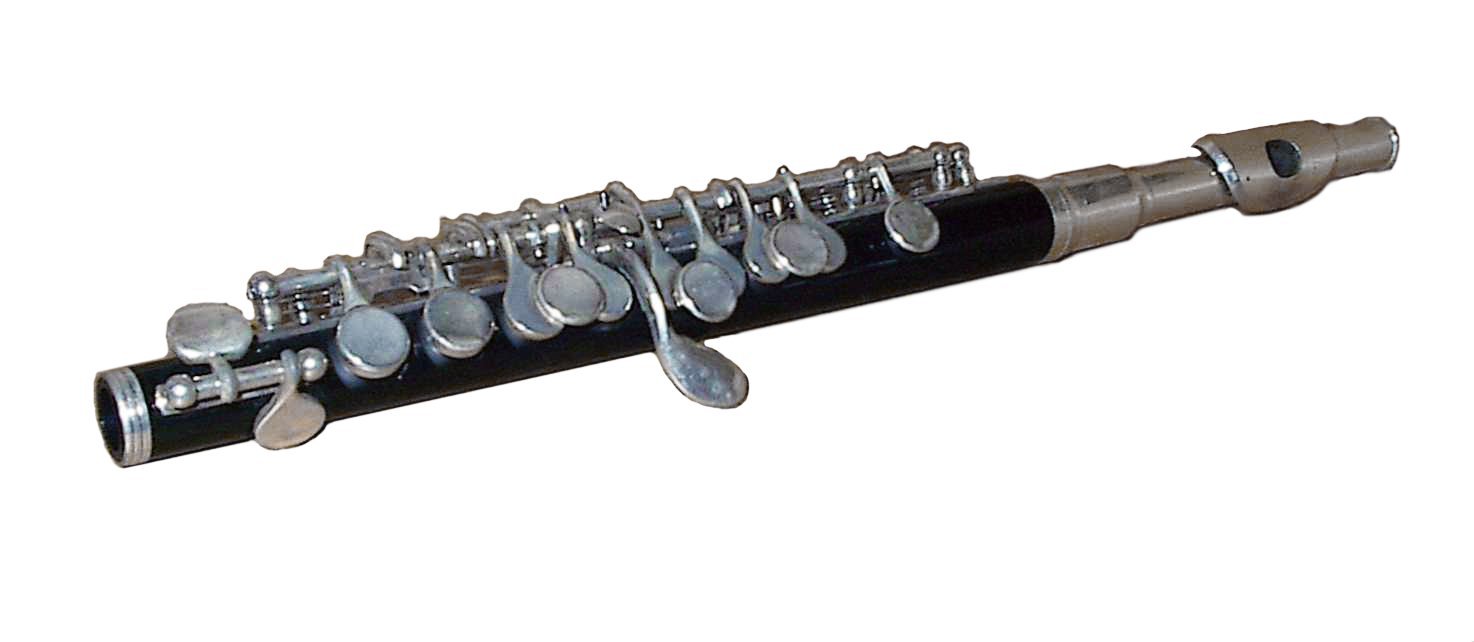
Piccolo
Guitar
Double bass
Bassoon
The piccolo.
Image: User:Caesura, public domain, via Wikimedia Commons.
Which bowing term means 'use the bow' (as opposed to pizzicato)?
Arco
Col legno
Tutti
Con sordino
Arco; pizzicato means pluck.
What does 'tutti' mean?
Play softly
All play together
Solo passage
Repeat the section
Tutti is Italian for 'all'.
What is the usual open-string tuning of the violin, lowest to highest?
C G D A
E A D G
G D A E
D A E B
G D A E, in fifths.
