Quiz · Medium
Economic sectors, HDI, globalisation, farming systems, von Thunen's model and the Green Revolution.
The UN Sustainable Development Goals include how many goals?
8
10
30
17
They run from 2015 to 2030 and replaced the Millennium Development Goals.
A tariff is:
A subsidy for exporters
A tax on imported goods
A shipping cost
A type of trade agreement
It protects domestic producers and raises revenue.
Mining and fishing belong to which economic sector?
Secondary
Tertiary
Quaternary
Primary
Primary activities extract raw materials.
Which sector includes teaching, retail and healthcare?
Primary
Tertiary
Secondary
Quinary
Services dominate wealthy economies.
Maquiladoras are:
Farms in Brazil
Assembly factories in Mexican border towns for export
Mines in Peru
Banks in Spain
They import parts duty-free, assemble goods and export them.
The HDI combines which three dimensions?
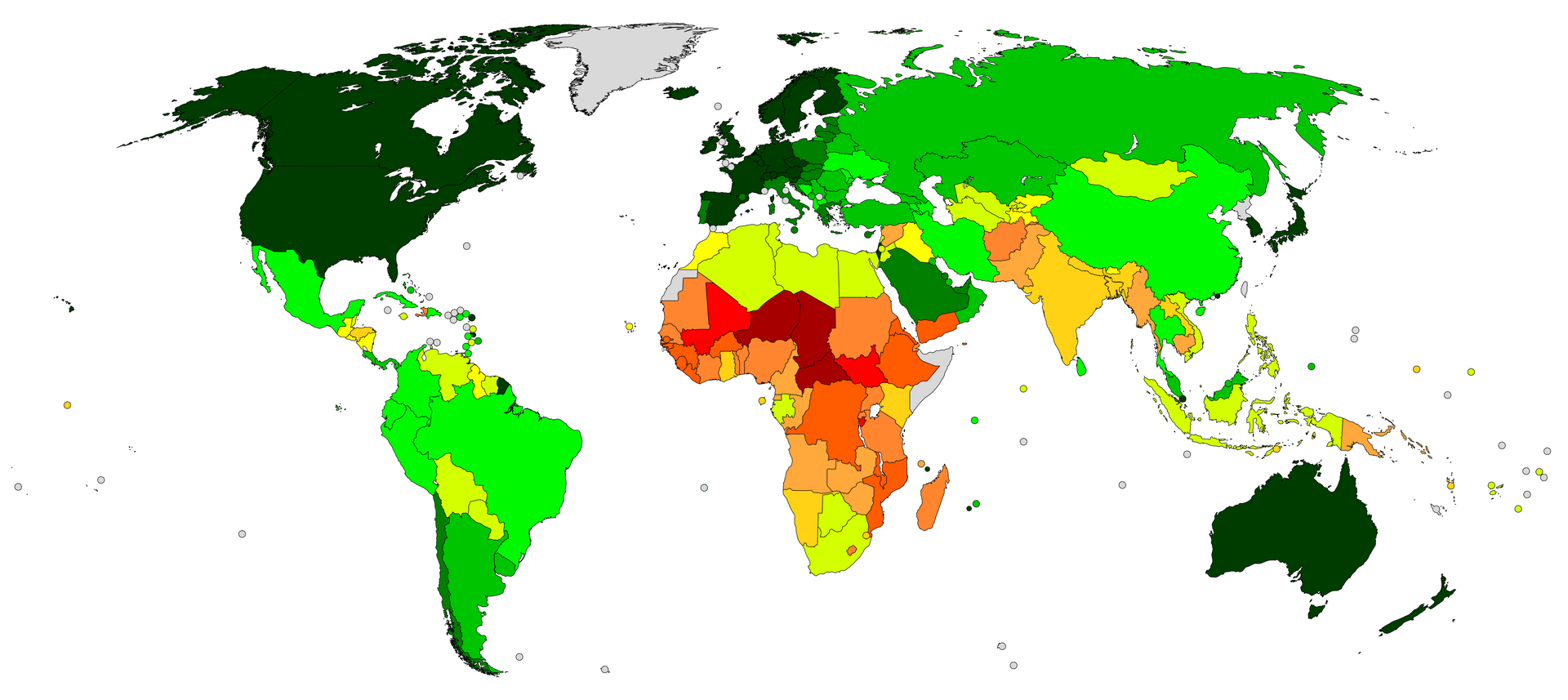
Trade, tourism and industry
Health, education and income
Population, area and density
Roads, schools and hospitals
It is scored from 0 to 1.
Image: Allice Hunter and JackintheBox, CC BY-SA 4.0, via Wikimedia Commons.
What does a Gini coefficient of 0 represent?
Perfect equality
Perfect inequality
No economic growth
No poverty line
A coefficient of 1 means one person has all the income.
Rostow's model describes:
Five climate zones
Five levels of settlement
Five types of farming
Five stages of economic growth
The take-off stage is the third.
In world-systems theory, the periphery is:
Wealthy industrial countries
Countries in the polar region
Poorer countries supplying raw materials and cheap labour
Nations that trade only with each other
The core is the wealthy group.
Special economic zones such as Shenzhen aim to:
Reduce urban populations
Attract foreign investment with special tax and trade rules
Ban foreign companies
Protect forests
Shenzhen became a SEZ in 1980.
Muhammad Yunus won the 2006 Nobel Peace Prize for:
Microfinance through Grameen Bank
The Green Revolution
Founding the WTO
Writing the SDGs
Grameen Bank gives small loans to people with no collateral.
Growing food mainly for the farmer's own family is:
Commercial farming
Subsistence farming
Plantation farming
Agribusiness
Commercial farming is for sale.
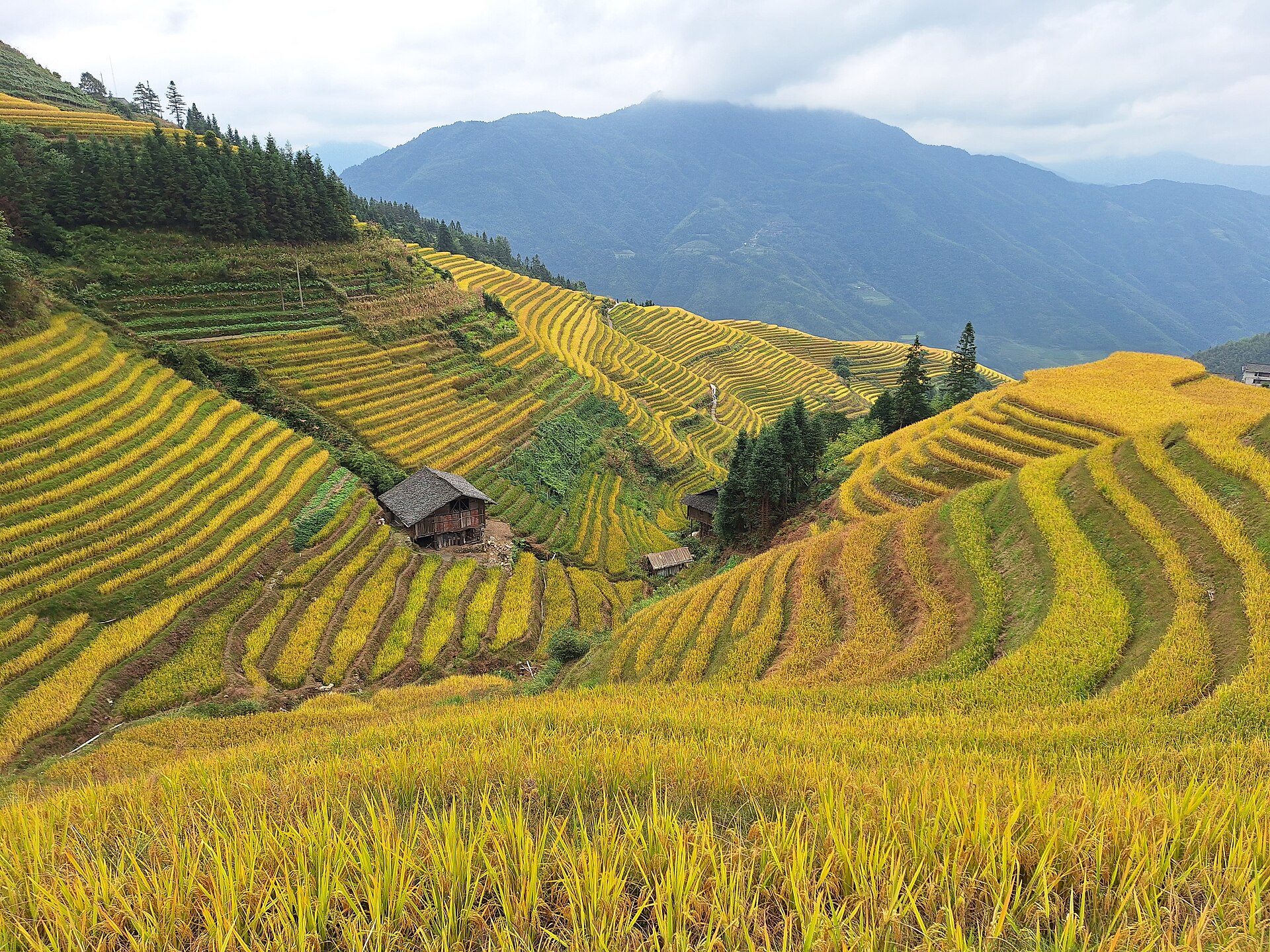
Which farming type produces a high yield from a small area using lots of labour or capital?
Extensive farming
Pastoral nomadism
Intensive farming
Slash-and-burn
Rice terraces and market gardens are examples.
Image: Kurinurm, CC0, via Wikimedia Commons.
Which farming system involves clearing forest, farming it for a few years, then moving on?
Plantation agriculture
Mixed farming
Dairy farming
Shifting cultivation
It is also called slash-and-burn.
In von Thunen's model, which land use is closest to the central market?
Ranching
Forest
Wheat farming
Intensive market gardening and dairying
Perishable, heavy products can't travel far.
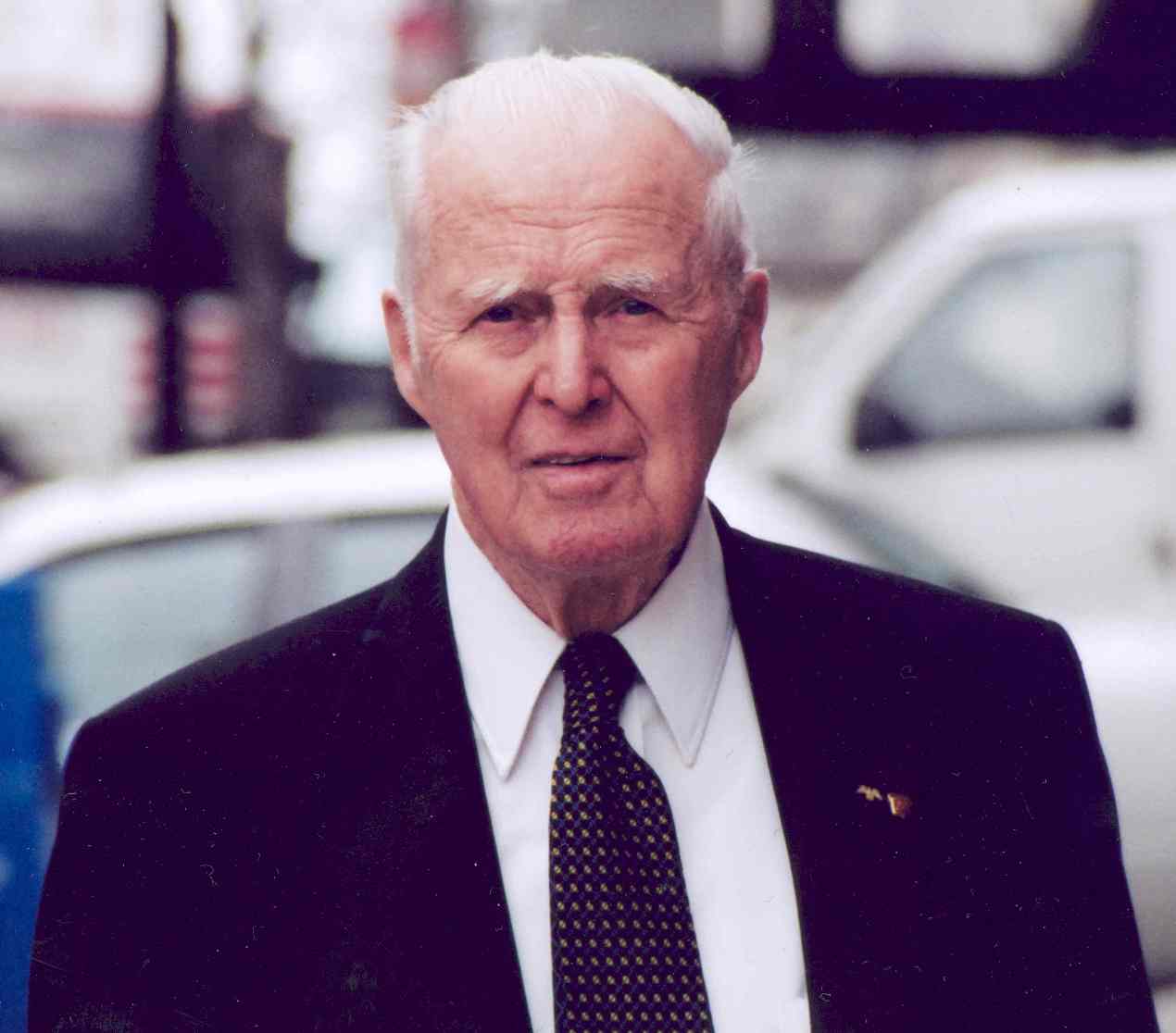
Norman Borlaug received a Nobel Peace Prize in 1970 for:
Inventing the tractor
Designing irrigation canals
Developing high-yielding wheat
Discovering fertiliser
His dwarf wheat helped avert famine in South Asia.
Image: Ben Zinner, USAID, Public domain, via Wikimedia Commons.
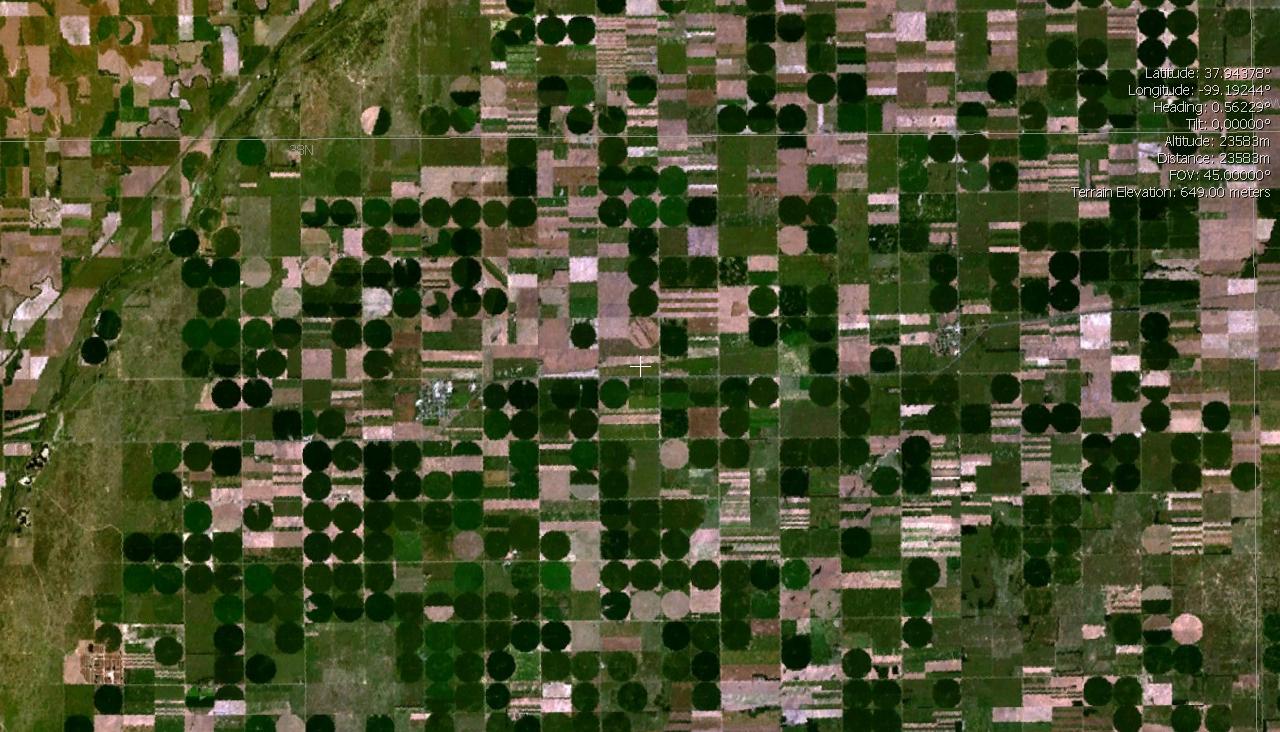
What is a major environmental problem with center-pivot irrigation on the Great Plains?
Flooding rivers
Depletion of the Ogallala Aquifer
Acid rain
Ocean pollution
Groundwater is pumped faster than it recharges.
Image: The original uploader was Toytoy at Wikipedia., Public domain, via Wikimedia Commons.
Which crop group would typically be grown on a plantation for export?
Tea, coffee, bananas, rubber
Local vegetables
Wheat for flour
Fodder crops
Plantations are often a colonial legacy.
Which statement best describes the difference between GDP and GNI?
GDP counts only exports; GNI counts imports
GDP counts only services; GNI counts only goods
They are identical
GDP counts production inside the country; GNI counts income earned by its people and firms
Per capita figures divide by population.
Why is physiological density more useful than arithmetic density for food pressure?
It divides population by arable land
It ignores population
It includes ocean area
It excludes cities
It shows how many people each unit of farmable land must support.
