Quiz · Medium
The atmosphere, seasons, winds, storms, the Koppen system and the world's biomes.
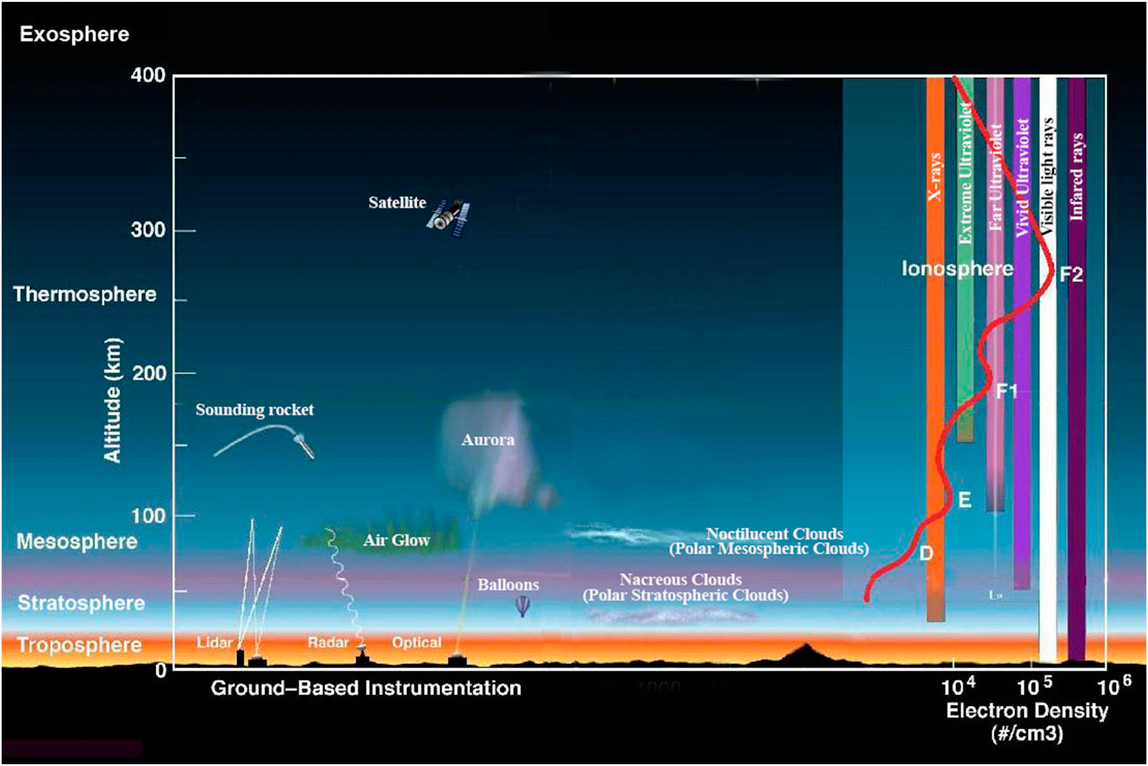
In which layer of the atmosphere does most weather happen?
The stratosphere
The mesosphere
The troposphere
The thermosphere
It holds most of the atmosphere's mass and nearly all of its water vapour.
Image: NASA Goddard, Public domain, via Wikimedia Commons.
The ozone layer is mainly found in the:
Stratosphere
Troposphere
Mesosphere
Exosphere
It absorbs most of the Sun's harmful ultraviolet radiation.
In the troposphere, temperature falls by about how much per 1,000 m of altitude?
About 6.5 degrees Celsius
About 0.65 degrees Celsius
About 20 degrees Celsius
It stays constant
This is the average environmental lapse rate.
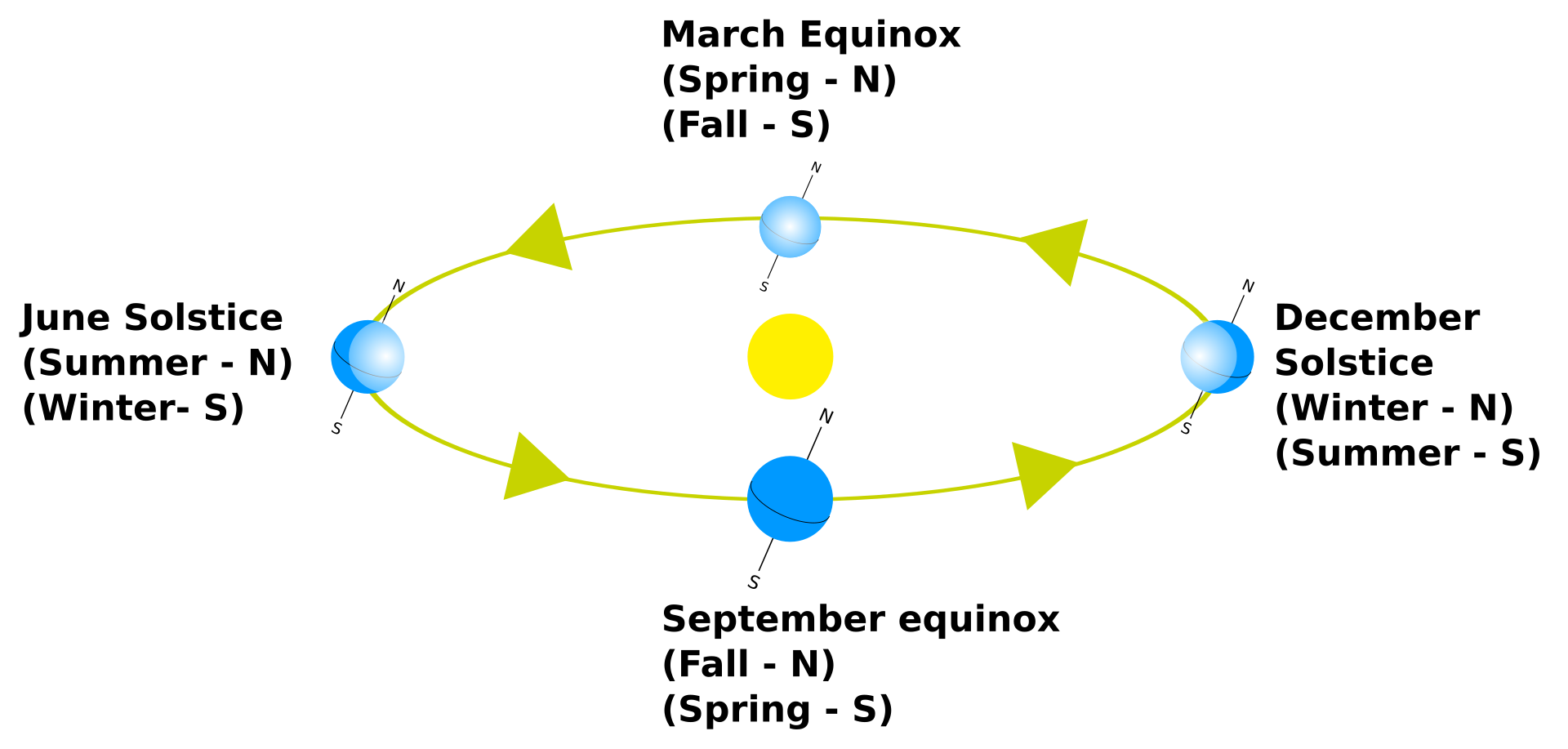
What causes Earth's seasons?
Its changing distance from the Sun
The tilt of its axis
The Moon's gravity
Solar flares
Earth is actually closest to the Sun in early January, during Northern Hemisphere winter.
Image: Colivine, CC0, via Wikimedia Commons.
On the equinoxes, the length of day and night is:
Nearly equal everywhere
Longest in the Northern Hemisphere
Longest at the poles
24 hours of daylight at the equator
The Sun is directly above the equator.
Which latitude marks the northernmost point where the Sun is directly overhead?
The Arctic Circle (66.5 degrees N)
The Equator
The Tropic of Cancer (about 23.4 degrees N)
The Tropic of Capricorn
This happens at the June solstice.
The trade winds blow:
From the west, toward the poles
From the north, toward the equator in both hemispheres
From the east, toward the equator
From the equator toward the poles
The Coriolis effect turns them westward.
Rain that falls when air is forced up over a mountain is called:
Convectional rain
Relief (orographic) rain
Frontal rain
Acid rain
The leeward side is a rain shadow.
Which cloud type brings thunderstorms?
Cirrus
Cumulonimbus
Stratus
Altocumulus
These towering clouds can reach the top of the troposphere.
What is the name for a tropical cyclone in the northwest Pacific?
Hurricane
Monsoon
Willy-willy
Typhoon
Same type of storm; the name depends on the ocean basin.
A tropical cyclone needs sea-surface temperatures of at least about:
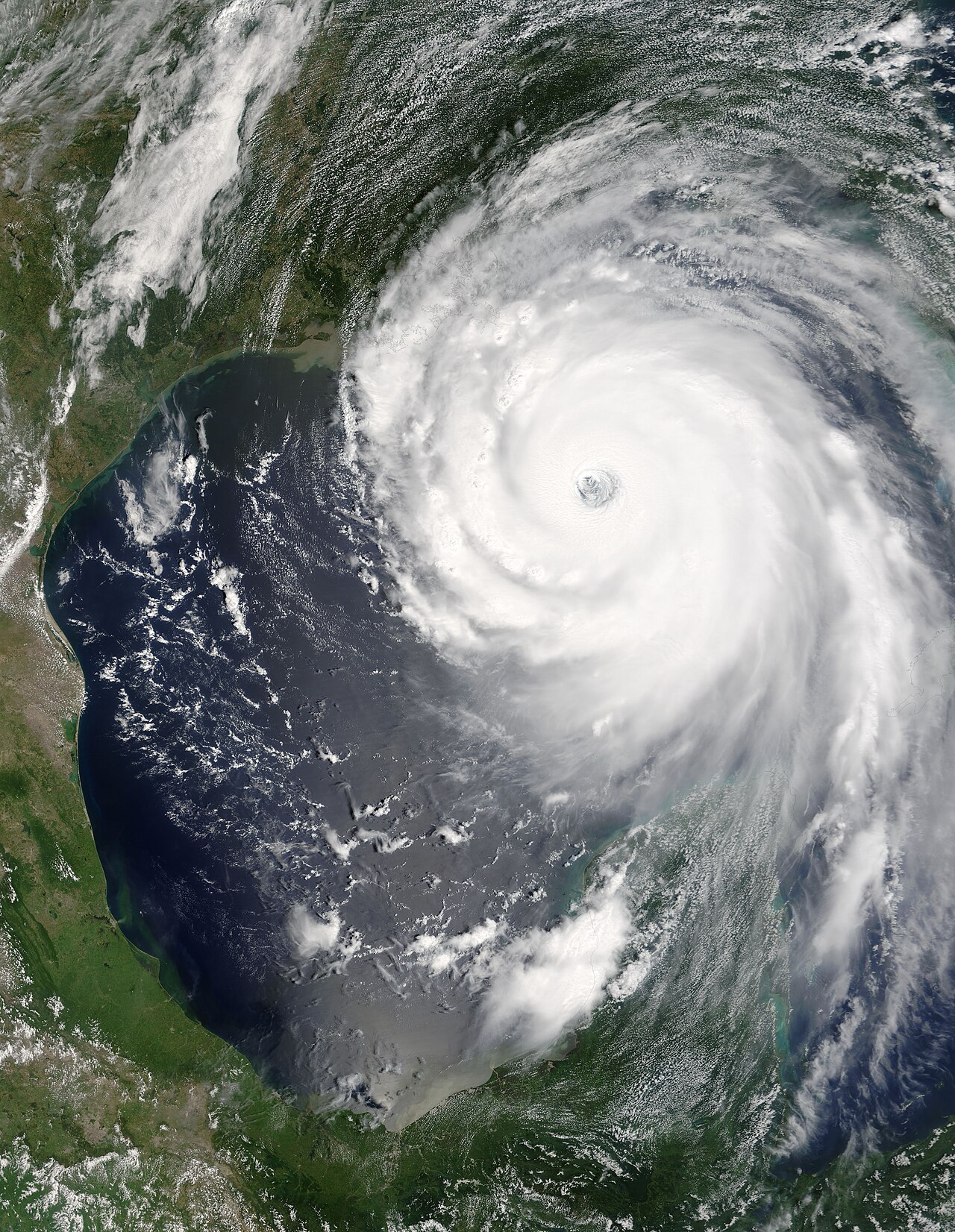
26.5 degrees Celsius
10 degrees Celsius
15 degrees Celsius
40 degrees Celsius
Warm water supplies the heat and moisture that power it.
Image: Jeff Schmaltz, MODIS Rapid Response Team, NASA/GSFC, Public domain, via Wikimedia Commons.
What scale rates tornado intensity in the United States?
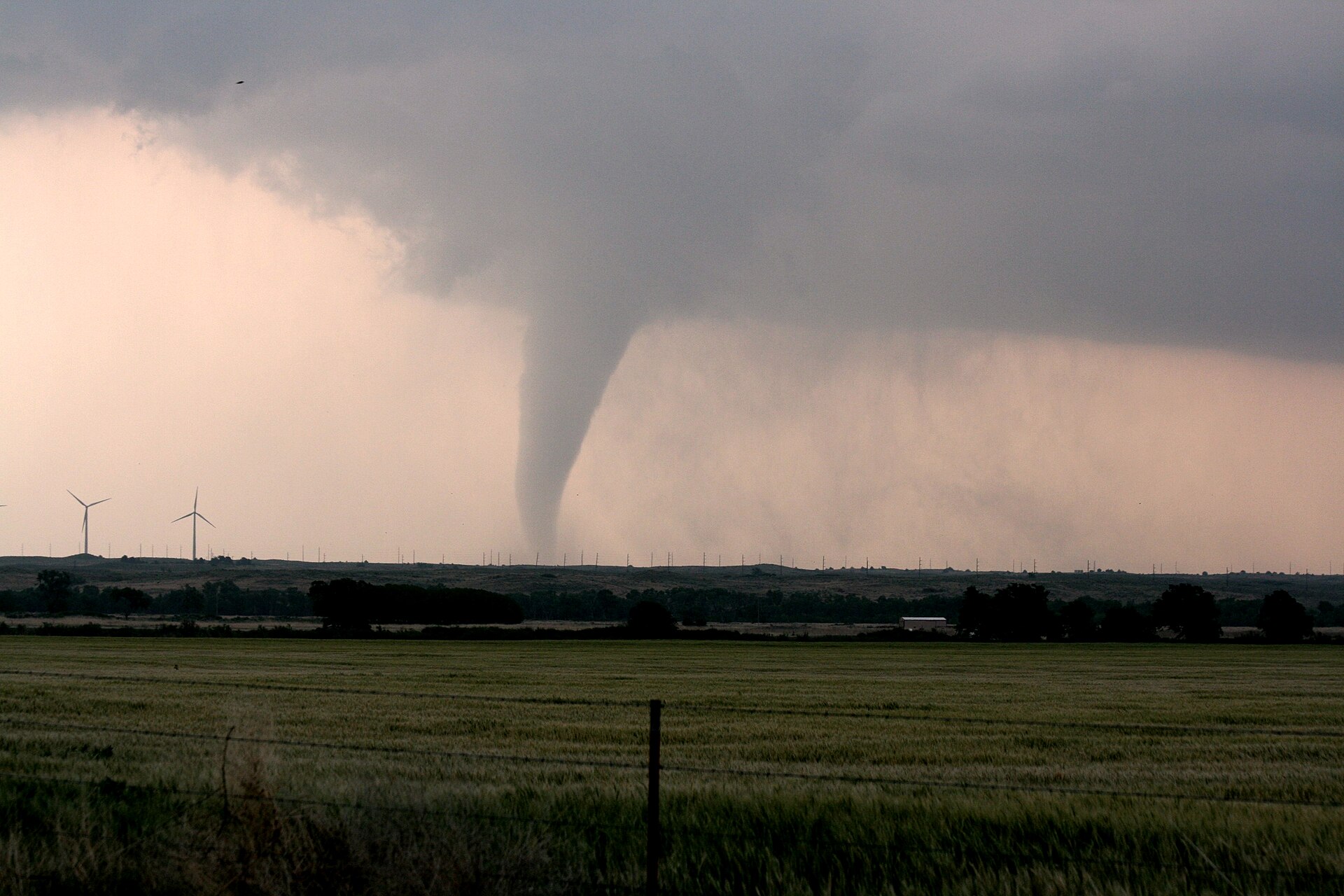
The Enhanced Fujita scale
The Saffir-Simpson scale
The Richter scale
The Beaufort scale
Rated EF0 to EF5 based on damage.
Image: Sean Waugh, NOAA/NSSL, Public domain, via Wikimedia Commons.
El Nino is a periodic warming of surface water in the:
Atlantic Ocean near Africa
Indian Ocean
Arctic Ocean
Tropical Pacific Ocean
It brings flooding to Peru and drought to Indonesia and Australia.
The Gulf Stream is responsible for:
Making the Sahara dry
Keeping north-western Europe milder than other places at the same latitude
Causing the Asian monsoon
Cooling the coast of Peru
It carries warm water from the tropics northeast across the Atlantic.
What does the Koppen code BWh stand for?
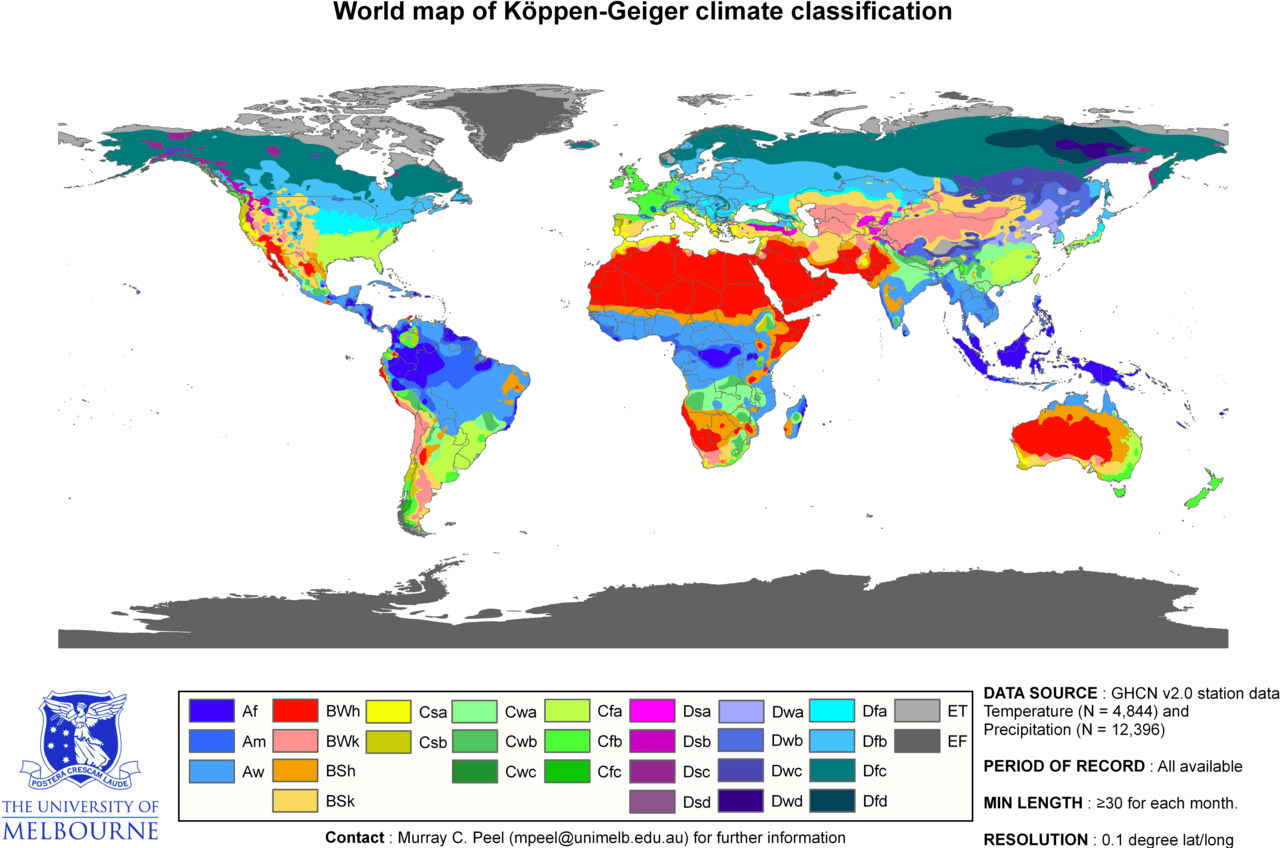
Tropical rainforest
Hot desert
Humid continental
Tundra
B = dry, W = desert, h = hot.
Image: M. C. Peel, B. L. Finlayson and T. A. McMahon (University of Melbourne), CC BY-SA 3.0, via Wikimedia Commons.
Which biome is the largest on land?
Taiga (boreal forest)
Tropical rainforest
Savanna
Temperate grassland
It stretches across Canada, Scandinavia and Russia.
The temperate grasslands of Argentina are called the:
Prairie
Veld
Pampas
Steppe
Prairie is North America, steppe is Eurasia, and veld is southern Africa.
Which climate has hot, dry summers and mild, wet winters?
Mediterranean
Tropical monsoon
Humid continental
Oceanic
It is found on west coasts at roughly 30-45 degrees latitude, including California and Cape Town.
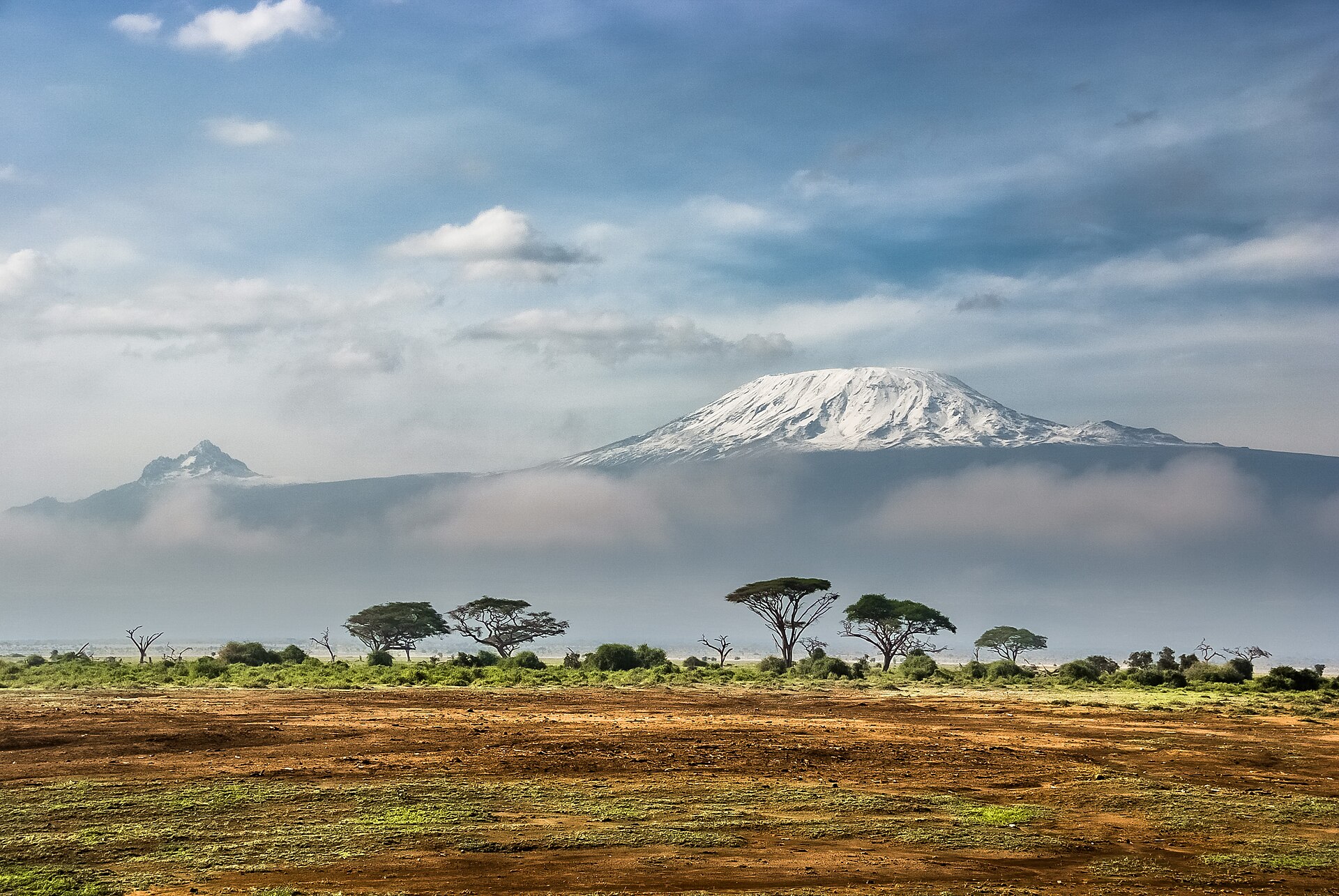
Why is there ice on Kilimanjaro, so close to the equator?
Cold ocean currents
Temperature falls with altitude
It is in the polar zone
The Sun is weaker near the equator
At about 5,900 m the air is cold enough for permanent ice, though the glaciers are shrinking.
Image: Sergey Pesterev, CC BY-SA 4.0, via Wikimedia Commons.
Where is the coldest temperature ever measured directly at the surface?
Verkhoyansk, Russia
Greenland
Alert, Canada
Vostok Station, Antarctica
-89.2 degrees Celsius was recorded there on 21 July 1983.
What does the greenhouse effect do?
Blocks all sunlight
Cools the planet
Traps part of the heat Earth radiates, keeping it warmer
Makes the ozone layer
Without it, Earth's average temperature would be about -18 degrees Celsius.
