Quiz · Hard
Harder questions on causes and effects of exploration, Italian politics, printing and science.
Which was a long-term economic effect of exploration for Europe?
Silver from the Americas fueled price rises and a growing global trade network
Italy became Europe's only trading power
The feudal system strengthened
Trade with Asia ended
Silver from Potosí and Mexico flowed through Spain to Asia, changing prices and trade. Atlantic ports like Lisbon, Seville and Antwerp gained, while Italian trade declined in relative terms.
Why were Spanish conquistadors able to defeat the Aztec and Inca empires?
Superior numbers
The Aztec and Inca had no armies
They had cannons only
Steel weapons and horses combined with Native allies, divisions within the empires and epidemic disease
Cortés had thousands of Native allies, and smallpox devastated both empires. Spanish forces were small, so numbers do not explain it.
Which interpretation of Machiavelli is most accurate?
He opposed all forms of power
He supported rule by the Church
He wrote about art
He argued that political success sometimes requires acting outside conventional morality
The Prince is realistic rather than moral. Some scholars argue his Discourses show a republican sympathy.
How did the printing press help the Reformation?
It made the pope stronger
Cheap pamphlets and Bibles in the vernacular spread Luther's ideas quickly
It prevented translations
It ended literacy
Luther's writings sold in huge numbers. Vernacular Bibles reduced the Church's monopoly on interpretation.
Which statement best differentiates Renaissance from medieval art?
Renaissance art avoided religious topics
They had no difference
Medieval art was more realistic
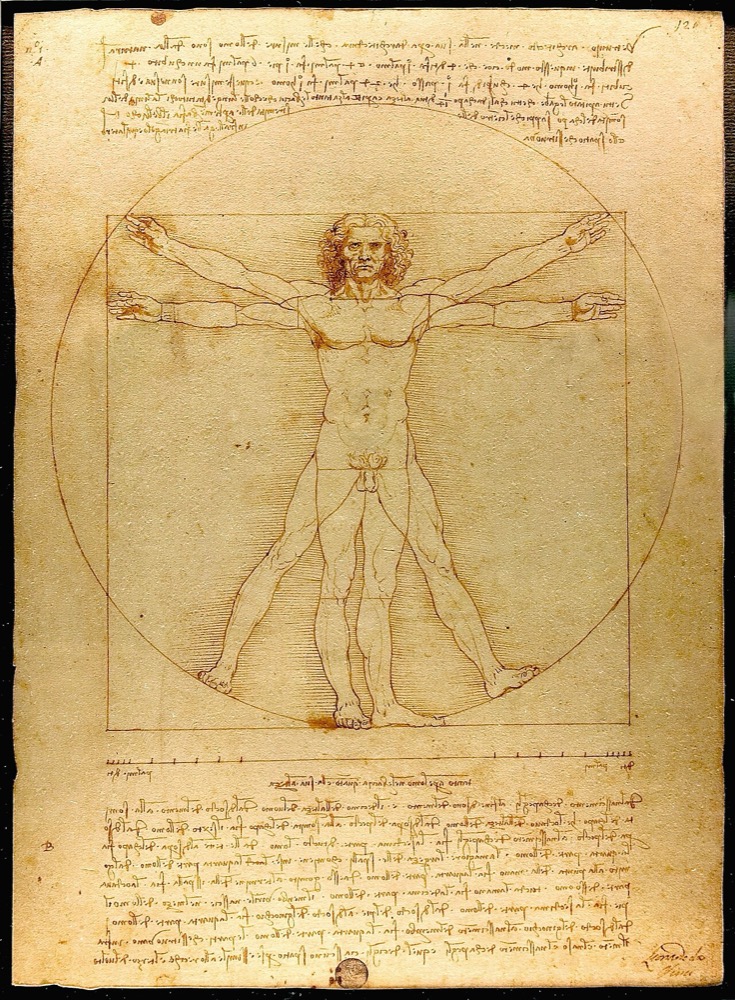
Renaissance art used linear perspective and realism and showed individual portraits
Religious themes remained central, but artists used perspective, anatomy and naturalistic light.
What was the impact of Constantinople's fall in 1453 on exploration?
It caused the Black Death
It ended all trade with Asia
Ottoman control of eastern trade routes raised costs and encouraged searches for new routes
It had no effect
The Ottomans did not completely block trade, but Europeans wanted direct sea routes. Portugal's voyages had begun earlier.
Which was NOT a motivation for Portuguese exploration?
Looking for a route to Australia
Reaching Asian spices and gold
Spreading Christianity
Finding allies against Muslim powers
Portuguese motives were God, gold and glory. European knowledge of Australia was not an aim in the 1400s.
What did the Peace of Lodi (1454) and the Italian League achieve?
Italian unification
The end of the Medici
Control by France
A balance of power among Italian states for decades
It stabilized northern Italy until the French invasion of 1494.
Why was Savonarola's rule in Florence short-lived?
His strict moral campaign and clash with the pope led to his execution in 1498
He won the support of Venice
He became pope
He was exiled by the Medici in 1450
He rose after the Medici were expelled in 1494, but the pope excommunicated him, and Florentines turned on him.
Which sequence is in the correct order?
Armada, Gutenberg Bible, Luther's Ninety-Five Theses, Columbus
Gutenberg Bible, Columbus's first voyage, Luther's Ninety-Five Theses, Armada
Luther, Columbus, Armada, Gutenberg Bible
Columbus, Armada, Gutenberg Bible, Luther
c. 1455, 1492, 1517, 1588.
What does the Waldseemüller map's naming of 'America' show?
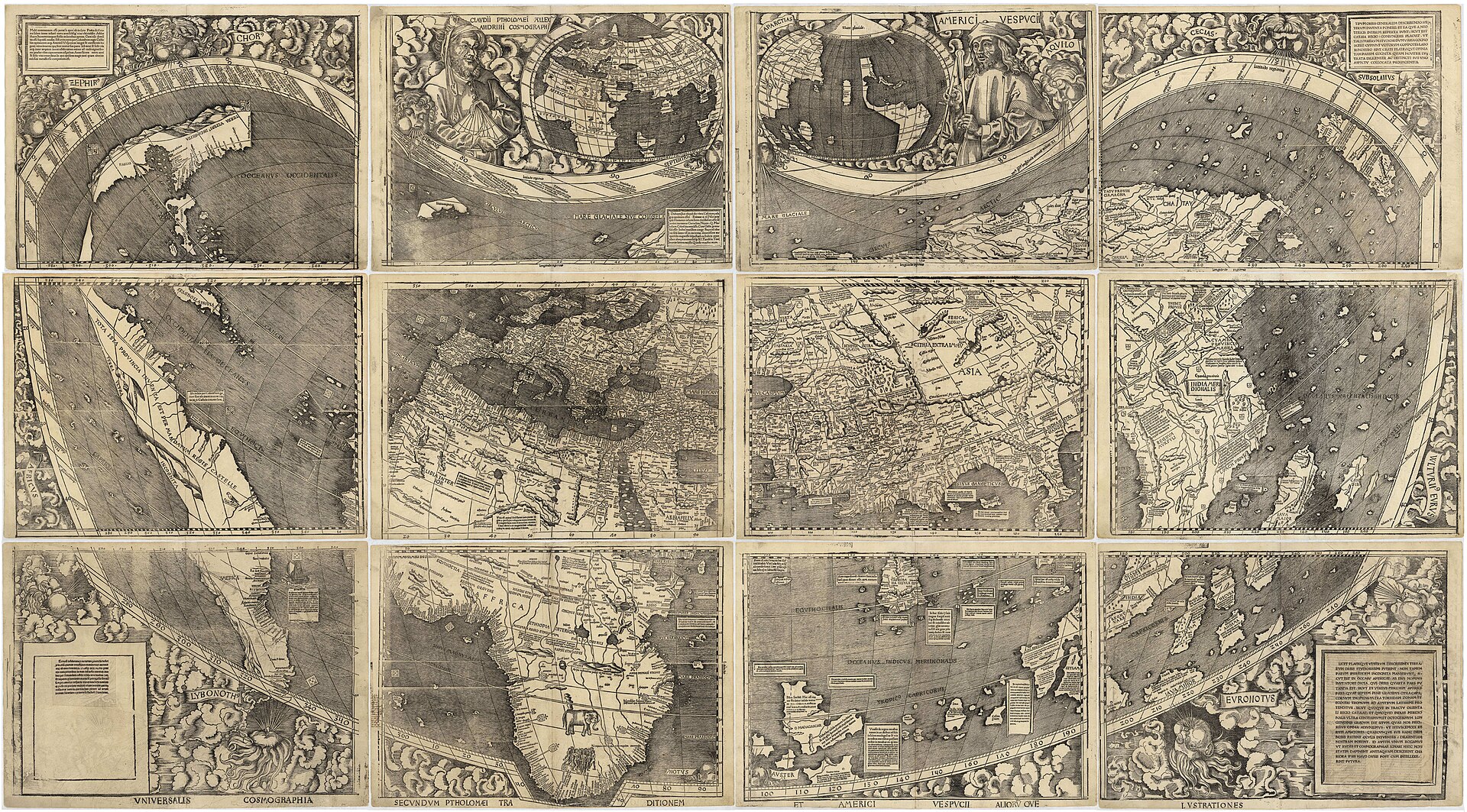
Europeans were linking new discoveries to the work of Amerigo Vespucci
The name came from a Spanish king
Native people named it
Columbus named the continent
The 1507 map credited Vespucci, who argued that this was a 'New World'.
Which statement about the Renaissance is most accurate?
It changed elite culture first and affected ordinary people more slowly
It ended religion
It affected all Europeans equally
It began in Spain
Most Europeans were rural peasants whose lives changed little in the period, though printing and exploration eventually reached them.
Which was an effect of the Sack of Rome in 1527?
It ended the Italian Wars
It started the Reformation
It made Florence the capital
It damaged the prestige of the papacy and scattered artists from Rome
Imperial troops of Charles V sacked the city. Many artists left, which also spread Renaissance styles. The Reformation began in 1517.
Which statement about Galileo is accurate?
His telescope observations supported Copernicus, and the Inquisition forced him to recant in 1633
He invented the telescope
He was supported by the pope throughout
He wrote The Prince
Galileo improved the telescope (invented in the Netherlands). Church leaders objected to his support for heliocentrism.
Which was a consequence of the Habsburg–Valois conflict in Italy?
Spanish and imperial influence replaced French control in much of Italy by 1559
The Medici lost Florence permanently
Italy united
France conquered all Italy
The Treaty of Cateau-Cambrésis (1559) left Spain dominant in Italy (Milan, Naples).
What does 'Renaissance man' mean?
A soldier
A priest
A person skilled in many fields
A patron
Leonardo and Alberti fit the ideal.
