Quiz · Easy
Rights and responsibilities, the branches, symbols and naturalization, in the style of the US citizenship civics test and a first civics course.
How many US senators are there, and how long is a term?
100 senators; four years
100 senators; six years
435 senators; two years
50 senators; six years
Each state has two senators, elected to six-year staggered terms. The House has 435 voting members with two-year terms.
What is the supreme law of the land?
The Declaration of Independence
The Bill of Rights
Federal statutes
The Constitution
Federal laws and treaties are supreme only if consistent with the Constitution (Art. VI).
Which of these is a right only for US citizens?
Voting in federal elections
Freedom of speech
Freedom of religion
The right to a lawyer in criminal cases
Constitutional protections such as speech, religion and counsel apply to everyone within US jurisdiction. Federal voting is limited to citizens.
Who becomes president if both the president and vice president can no longer serve?
The Chief Justice
The Secretary of State
The Speaker of the House
The Senate Majority Leader
The Presidential Succession Act of 1947: Speaker, then President pro tempore of the Senate, then cabinet officers starting with State.
A lawful permanent resident wants to naturalize. Normally how long must she have been a permanent resident (not married to a US citizen)?
One year
Three years
Five years
Ten years
Three years applies if married to and living with a US citizen. Other requirements: English, civics, good moral character and the oath.
Which one of these is a duty only for citizens?
Serving on a jury
Paying taxes
Obeying laws
Registering for Selective Service if male
Taxes and laws apply to residents. Jury service and voting are limited to citizens; male residents of age 18-25 must register for Selective Service.
What does the 'rule of law' mean?
The majority can set aside the Constitution
Only judges follow the law
Laws apply to citizens but not officials
No one, including the government, is above the law
It is a core principle of constitutional government.
Which amendment gave women the right to vote?
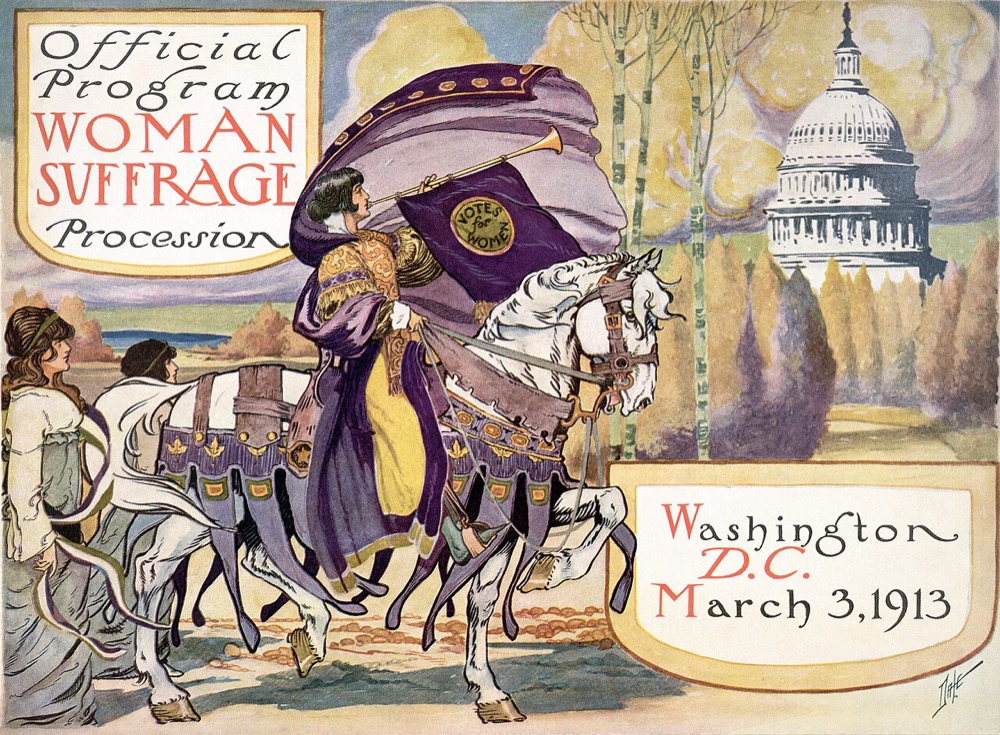
The 15th Amendment
The 19th Amendment
The 24th Amendment
The 26th Amendment
Ratified in 1920. The 15th (1870) addressed race; the 26th (1971) lowered the voting age to 18.
What is the minimum voting age in federal elections?
16
18
21
25
The 26th Amendment (1971) lowered it from 21 to 18.
How many voting members are there in the House of Representatives?
100
538
435
50
538 is the number of electors in the Electoral College (435 + 100 + 3 for DC).
Which of the following is a right guaranteed by the First Amendment?
Freedom to petition the government
The right to bear arms
The right to a speedy trial
Protection from unreasonable searches
The 2nd covers arms, the 6th a speedy trial and the 4th searches.
What does the Statue of Liberty symbolize, and who gave it?
Victory in the Civil War; a gift from Britain
Immigration limits; a gift from Spain
The Constitution; a gift from Italy
Freedom; a gift from France
It was dedicated in 1886 and became a welcome to immigrants.
What is the economic system of the United States commonly called?
A command economy
A feudal economy
A market (capitalist) economy
A barter economy
Markets determine most prices, with some government regulation.
Who is the commander in chief of the US military?
The Secretary of Defense
The president
The Speaker of the House
The Chairman of the Joint Chiefs
Art. II, Sec. 2. Congress declares war and funds the military.
What was the main purpose of the Declaration of Independence?
To create the federal government
To abolish slavery
To end the Revolutionary War
To announce the American colonies' independence from Great Britain
Adopted July 4, 1776. The Constitution came later (1787).
Which of these is NOT a type of local government?
A congressional district
A county
A municipality
A special district
Congressional districts are election units for the House, not local governments.
The Pendleton Act of 1883 created:
A merit-based civil service system
The Federal Reserve
Social Security
The Cabinet
It replaced much of the spoils system for federal jobs.
Where is the US Capitol and what meets there?
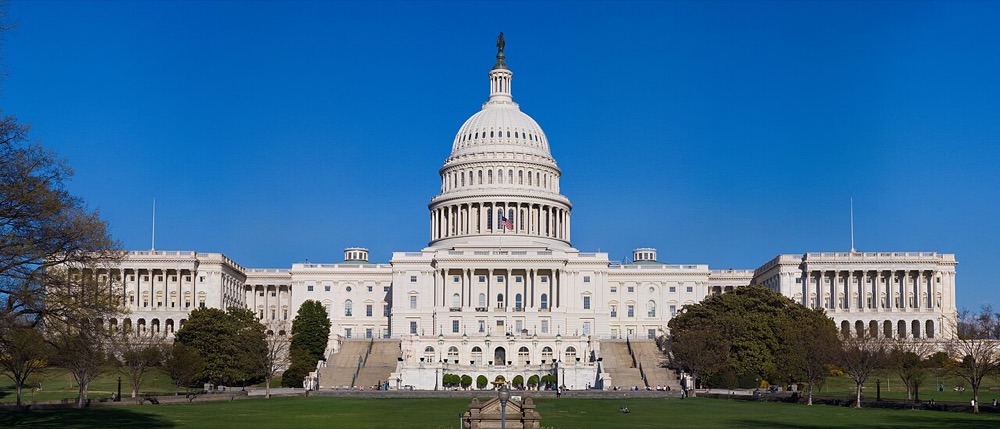
Philadelphia; the Supreme Court
New York; the president's cabinet
Washington, D.C.; Congress
Washington, D.C.; the Supreme Court
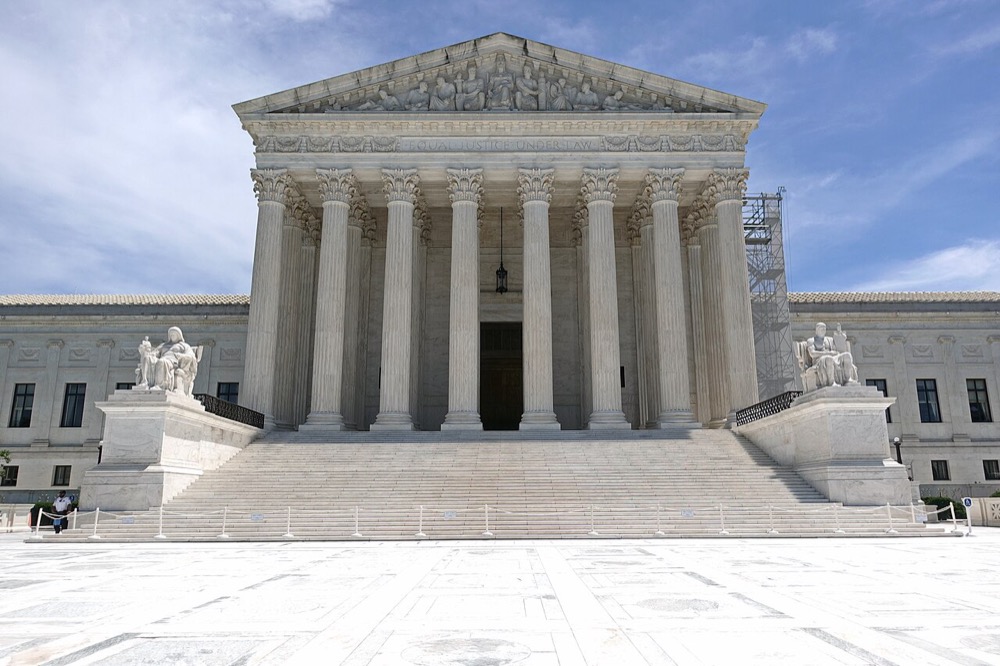
The Supreme Court meets across the street in its own building.
Which of these is an example of civic participation beyond voting?
Paying a parking fine
Attending a city council meeting to speak on a proposal
Registering a car
Filing a tax return
Civic participation means voluntary activity to influence public decisions; the other answers are legal obligations.
Which pair correctly matches the government level to its typical responsibility?
Federal: issues driver's licenses
State: coins money
City: declares war
County: runs courts, jails and keeps land records
Driver's licenses are a state function; coining money and war are federal.
Which statement about the Oath of Allegiance is accurate?
New citizens promise to join the military
New citizens promise to support and defend the Constitution and give up allegiance to other countries
New citizens promise to vote in every election
New citizens promise to speak only English
Military service in some cases is promised only 'when required by law.' English is a test requirement, not part of the oath.
Which branch can declare a law unconstitutional?
The legislative branch
The executive branch
The Cabinet
The judicial branch
Judicial review was established in Marbury v. Madison (1803).
A student is asked to describe 'freedom of religion.' Which statement is correct?
The government cannot establish an official religion or prohibit free exercise
The government may require school prayer
People of one faith have more protections
Religion cannot be practiced in public
Both the Establishment and Free Exercise Clauses are in the First Amendment.
How often are federal presidential elections held?
Every two years
Every six years
Every four years
Every five years
Held on the Tuesday after the first Monday in November.
