Quiz · Medium
Defining abnormality, Rosenhan, diagnostic models, psychotherapies and biomedical treatments.
In Rosenhan's 1973 study, the pseudopatients were admitted to hospital after reporting:
severe depression and suicidal thoughts
hearing voices saying 'empty', 'hollow' and 'thud'
delusions of grandeur
panic attacks
They behaved normally after admission, yet staff still treated their behavior as pathological.
Which definition of abnormality is criticized because norms differ across cultures and eras?
Deviation from social norms
Statistical infrequency
Failure to function adequately
Deviation from ideal mental health
What counts as deviant varies with context.
Which of the following is a criticism of statistical infrequency as a criterion?
It cannot be measured
It ignores distress
It only applies to children
It labels rare but desirable traits, such as genius, as abnormal
Frequency alone does not indicate a problem.
A psychologist uses a standardized set of questions and scoring rules to diagnose. This is:
a projective test
free association
a structured interview
a case study
Structured interviews improve inter-rater reliability.
Which statement about the diathesis-stress model is correct?
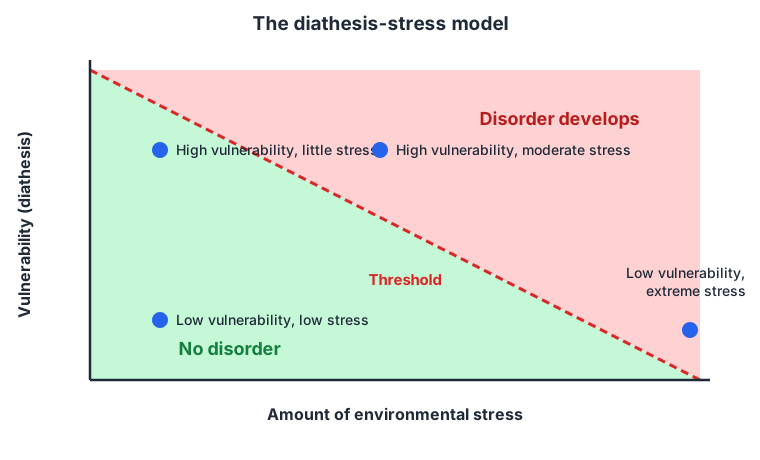
Stress alone always causes disorder
A disorder arises when vulnerability combines with enough stress
Genes alone cause disorder
Vulnerability is always learned
Higher vulnerability means a lower stress threshold.
Which professional can prescribe medication in most US states?
Psychiatrist
Clinical psychologist
Counselor
Social worker
Psychiatrists hold medical degrees.
The Tarasoff ruling established that therapists must:
never break confidentiality
share records with employers
stop therapy if clients disagree
warn identifiable third parties of serious threats
The duty to protect overrides confidentiality when there is a serious threat.
Systematic desensitization is based on which principle?
Insight into unconscious conflict
Challenging irrational beliefs
Counterconditioning: relaxation cannot coexist with fear
Positive regard
Wolpe's reciprocal inhibition.
In exposure and response prevention for OCD, the client:
avoids all triggers
faces the trigger without carrying out the compulsion
learns relaxation only
interprets dreams
Anxiety falls over time without the ritual.
In Ellis's ABC model, 'B' refers to:
beliefs
behavior
biology
brain activity
Irrational beliefs, not the event itself, cause emotional consequences.
Which therapy was developed for borderline personality disorder and combines acceptance with change?
Psychoanalysis
Person-centered therapy
Flooding
Dialectical behavior therapy
Developed by Marsha Linehan.
A client falsely sees the therapist as a harsh parent. Freud would call this:
resistance
sublimation
transference
congruence
Feelings toward others are redirected to the therapist.
The 'Dodo bird verdict' suggests that:
CBT is always best
different psychotherapies are about equally effective
therapy is no better than no treatment
drugs are better than therapy
Common factors like the alliance matter.
Egas Moniz won a Nobel Prize in 1949 for developing:
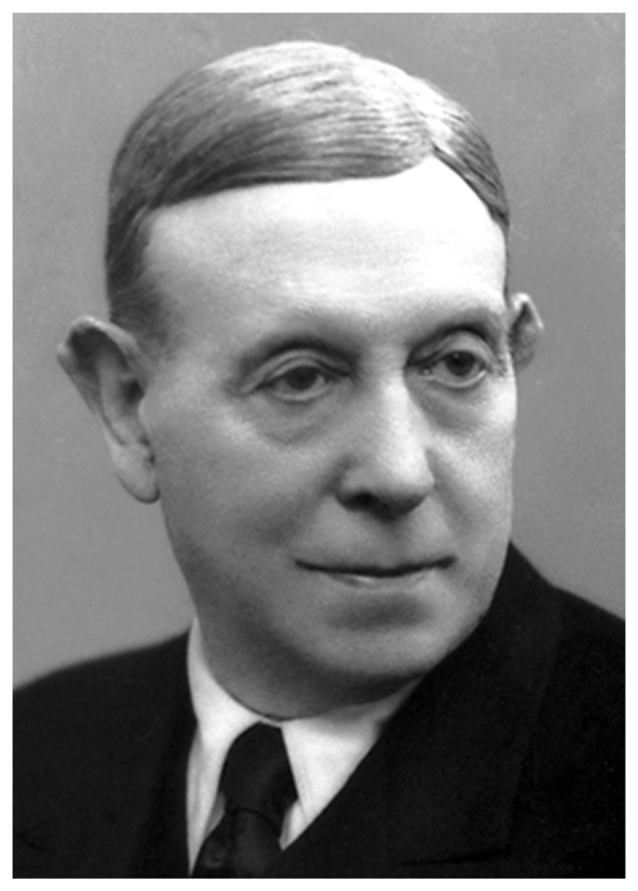
the prefrontal leucotomy
chlorpromazine
ECT
lithium therapy
The procedure was later abandoned.
Which of the following best describes typical antipsychotics?
They block serotonin reuptake
They enhance GABA
They inhibit monoamine oxidase
They block dopamine D2 receptors
Side effects include tardive dyskinesia.
According to Beck, the cognitive triad consists of negative views about:
id, ego and superego
thoughts, feelings and behavior
oneself, the world and the future
past, present and future selves
The triad maintains depression.
