Quiz · Hard
Harder questions on appeasement, Dunkirk, Stalingrad, D-Day, the Pacific, the Holocaust and Nuremberg.
What did the Nazi-Soviet Pact of August 1939 include?
A secret protocol dividing Poland and the Baltic states into German and Soviet spheres
A military alliance against Britain
A treaty by which Germany gave Ukraine to the USSR
A promise that Germany would never attack the USSR in future years
It allowed Hitler to invade Poland without a Soviet threat; Germany broke it with Barbarossa in 1941.
Which leaders took part in the Munich Conference shown here?
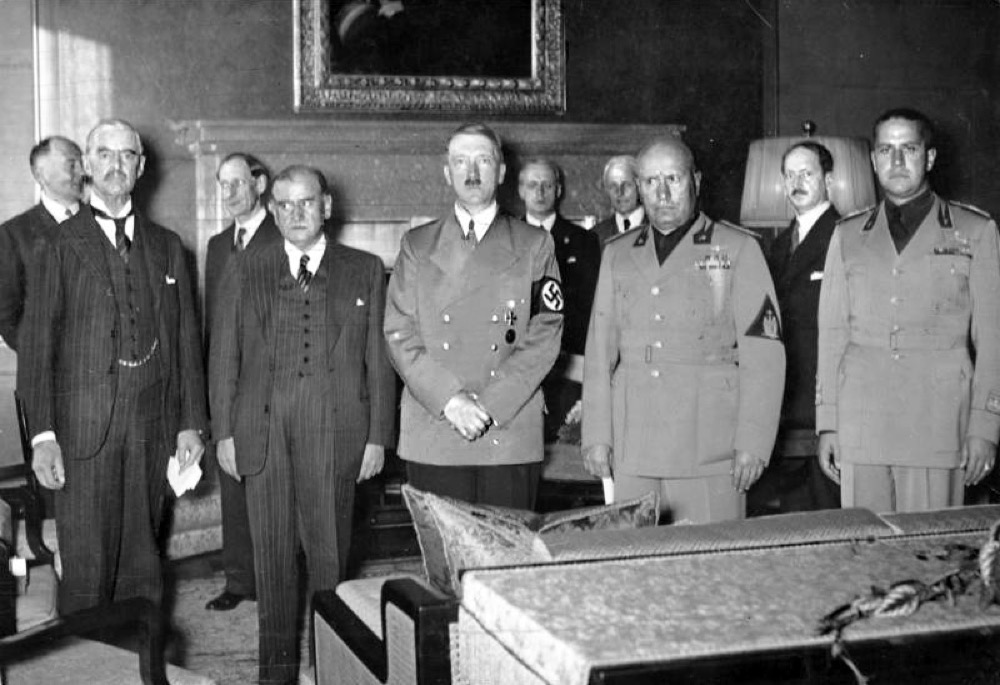
Chamberlain, Stalin, Mussolini and Hitler
Churchill, Daladier, Franco and Hitler
Chamberlain, Roosevelt, Mussolini and Hitler
Chamberlain, Daladier, Mussolini and Hitler
Czechoslovakia's government was not invited, and the USSR was excluded. Churchill opposed appeasement and was not in government. Image: Bundesarchiv (unknown photographer), CC BY-SA 3.0 de, via Wikimedia Commons.
Which was a main reason Britain and France pursued appeasement?
Both were allied to Germany
They had superior armies
Fear of another costly war and the belief that some German grievances were justified
Their publics demanded war
Britain also wanted time to rearm. The policy was discredited when Hitler occupied the rest of Czechoslovakia in March 1939.
What was the immediate trigger for Britain and France declaring war in September 1939?
The Anschluss
Germany's invasion of Poland
The Munich Agreement
Operation Barbarossa
Britain and France had guaranteed Poland's independence after the occupation of Prague in March 1939.
Which statement about Dunkirk is correct?
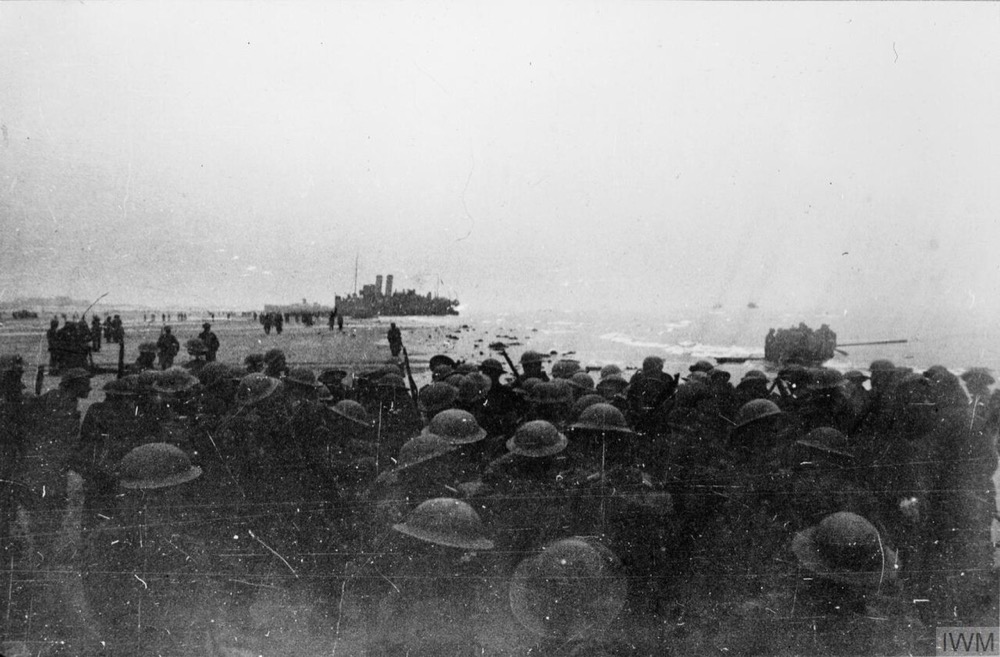
About 338,000 Allied troops were evacuated by warships and small boats
It was a decisive Allied victory
Germany captured the entire BEF
It took place in 1941
It was Operation Dynamo (26 May-4 June 1940) and saved the army, though it lost nearly all of its equipment.
Why did Germany fail to win the Battle of Britain?
The Royal Navy sank the German invasion fleet in the Channel
Germany diverted its air force to the USSR in July 1940
Italy's defeat in Greece pulled the Luftwaffe away
The RAF, aided by radar and good command, kept control of the air so no invasion could be launched
Switching from RAF airfields to cities (the Blitz) eased the pressure on Fighter Command.
In which year was Operation Barbarossa launched?
1939
1940
1941
1942
22 June 1941: the invasion of the USSR, which opened the Eastern Front.
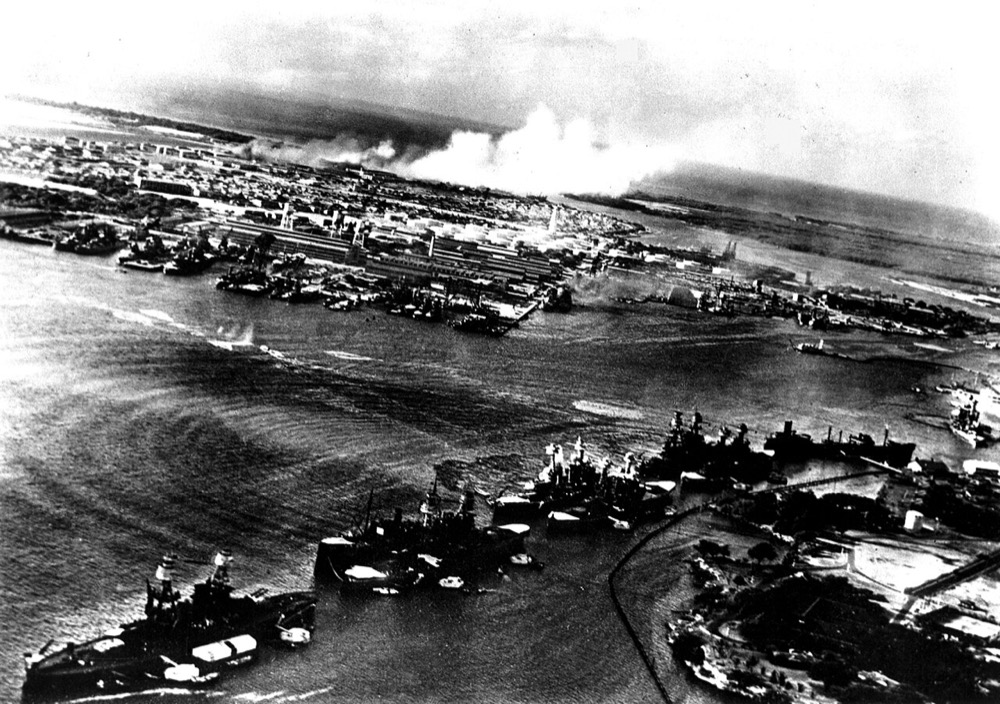
What was the most important result of the Japanese attack on Pearl Harbor?
It destroyed all US aircraft carriers
It brought the United States fully into the war against Japan, Germany and Italy
It forced Japan to surrender
It ended Lend-Lease
The US carriers were at sea, which mattered at Midway (1942). Germany declared war on the US on 11 December.
Why was Midway such a turning point in the Pacific?
The US sank four Japanese fleet carriers, which Japan could not replace
The US destroyed the Japanese army in China
Japan lost its capital
The US dropped the atomic bomb
After Midway (June 1942), the US was able to start offensives such as Guadalcanal.
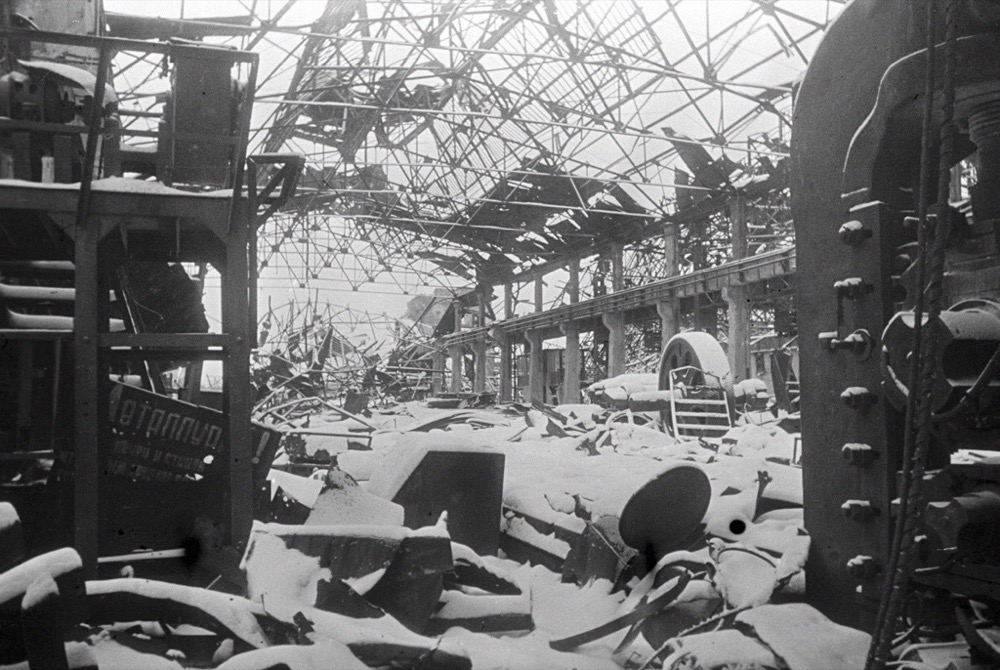
This photograph is associated with which turning point?
The Battle of the Bulge
The Siege of Leningrad ending
The fall of Berlin
The Battle of Stalingrad, where the German Sixth Army surrendered in 1943
The Soviet encirclement trapped about 250,000-300,000 Axis troops. Kursk later in 1943 ended German offensives in the east. Image: Georgy Zelma (RIAN), CC BY-SA 3.0, via Wikimedia Commons.
What was the name of the Allied invasion of Normandy in June 1944?
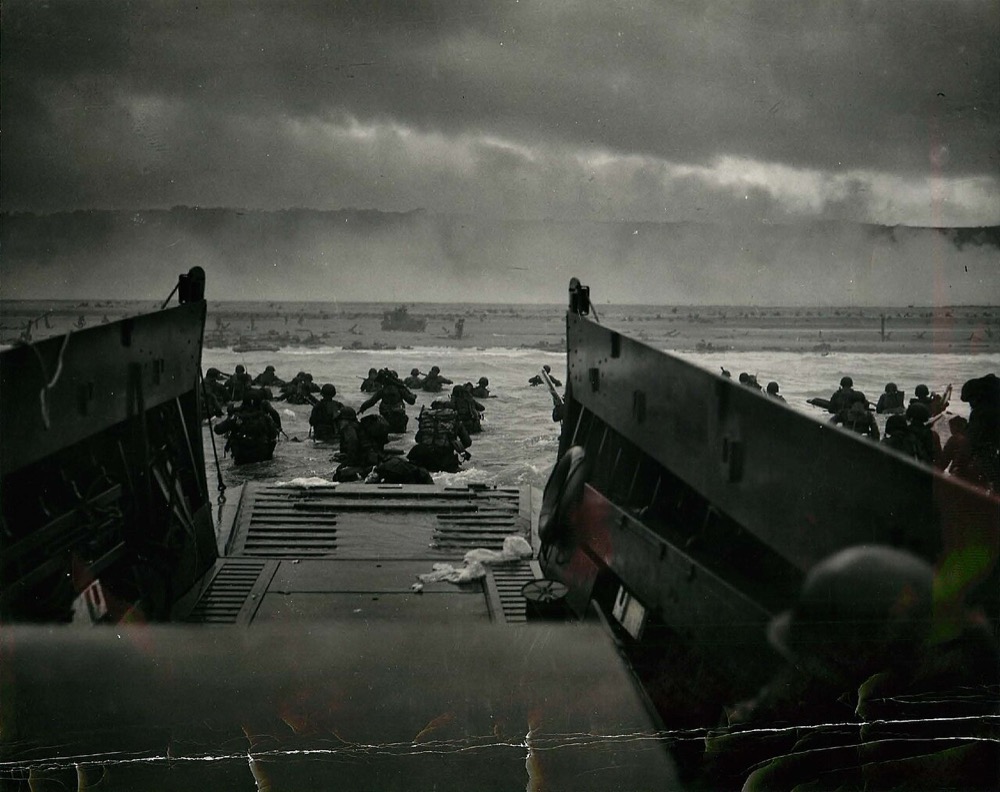
Operation Barbarossa
Operation Dynamo
Operation Overlord
Operation Torch
Torch was the 1942 invasion of North Africa; Dynamo the Dunkirk evacuation.
Which beaches were assigned to American troops on D-Day?
Gold and Sword
Utah and Omaha
Juno and Gold
Sword and Utah
Gold and Sword were British; Juno was Canadian.
What was agreed at Yalta in February 1945?
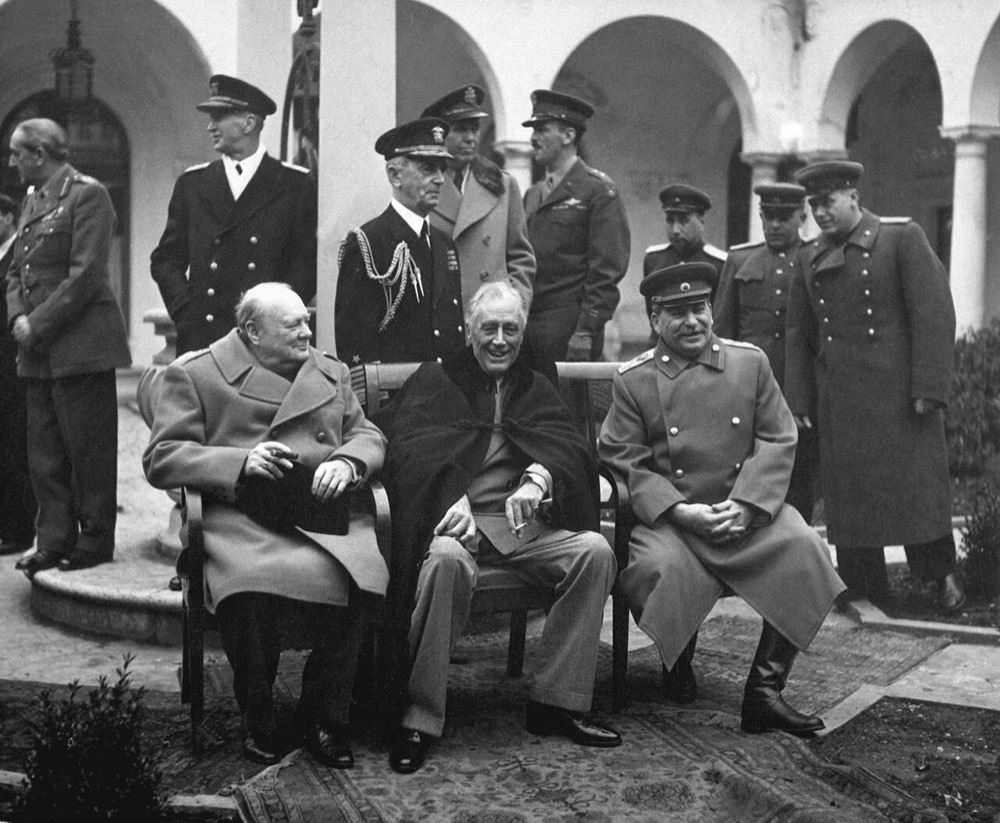
Germany would be divided into occupation zones and the USSR would join the war against Japan
The atomic bomb would be used
Poland would be partitioned between Germany and the USSR
Japan would be occupied by Soviet troops
Stalin promised free elections in Eastern Europe, a promise he did not keep.
Which statement about Auschwitz-Birkenau is accurate?
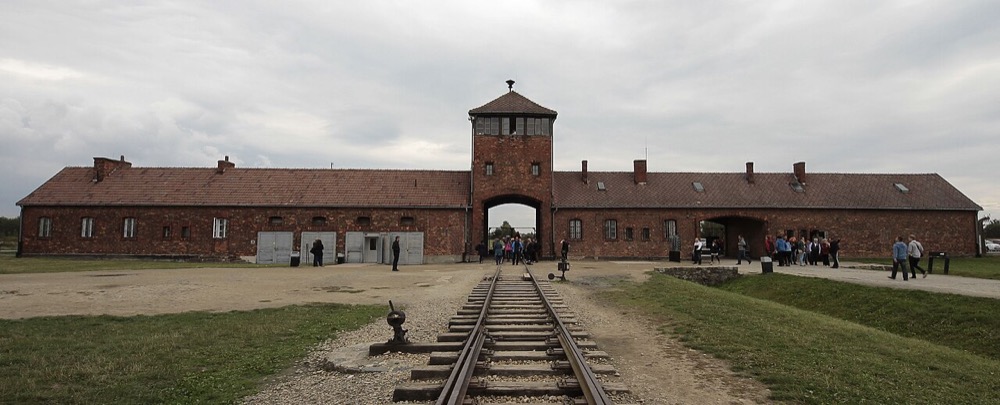
It was in Germany near Berlin
It was liberated by US troops
It was only a prisoner-of-war camp
It was the largest Nazi extermination and concentration camp complex, in occupied Poland
Soviet troops liberated it on 27 January 1945. About 1.1 million people were murdered there, nearly 1 million of them Jews. Image: Oleg Yunakov, CC BY-SA 4.0, via Wikimedia Commons.
What did the Wannsee Conference (January 1942) discuss?
The invasion of the USSR
Peace terms with Britain
Coordinating the 'Final Solution' to the 'Jewish question'
Kristallnacht
Mass murder had already begun with the Einsatzgruppen; the conference organized a Europe-wide system of deportation and killing.
What legal principle emerged from the Nuremberg Trials?
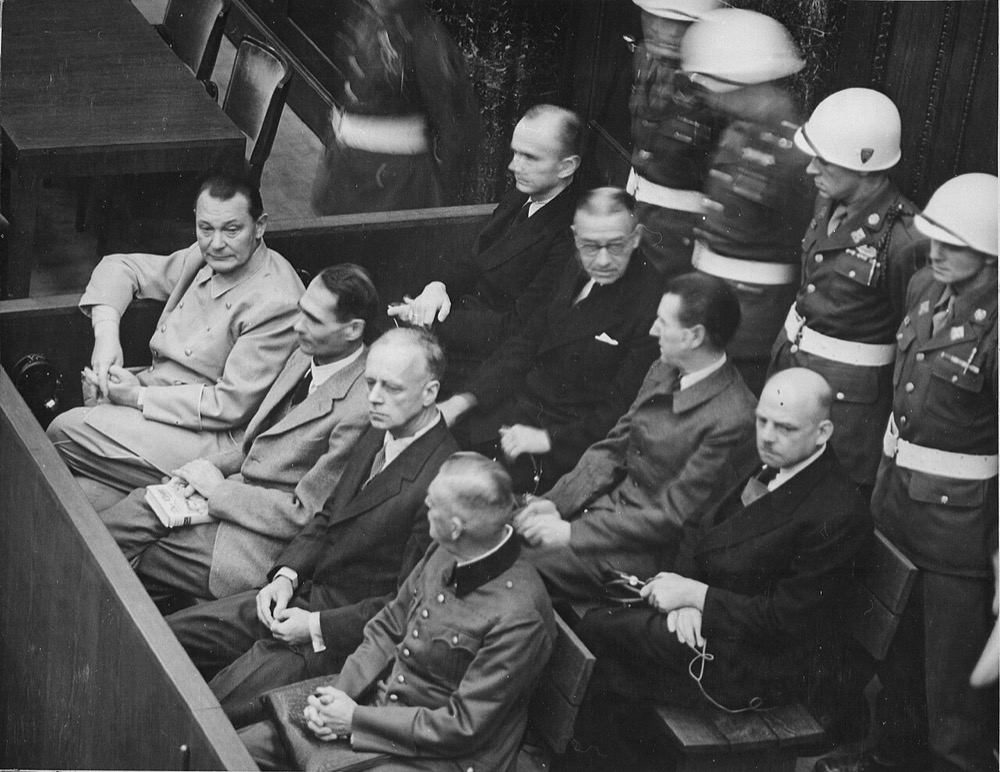
States cannot be punished for war crimes
Individuals, including leaders, are responsible for crimes against humanity; 'just following orders' is no defense
Only the winners can be tried
War crimes can be tried only in the country where they occurred
The tribunal tried 22 leaders (12 received death sentences). Later trials covered doctors, judges and industrialists.
Which sequence of events in 1945 is in correct order?
Yalta, VE Day, Potsdam, Hiroshima
VE Day, Yalta, Hiroshima, Potsdam
Potsdam, Yalta, VE Day, Hiroshima
Yalta, Potsdam, VE Day, Hiroshima
Yalta (February), VE Day (8 May), Potsdam (July-August), Hiroshima (6 August), Nagasaki (9 August), Japan signs (2 September).
Which of these was NOT a reason historians give for the Allied victory in WWII?
US and Soviet industrial capacity
Codebreaking and radar
Soviet manpower and the Eastern Front
Germany's greater industrial output
The Allies out-produced the Axis by a large margin.
Which statement about the Pacific War is correct?
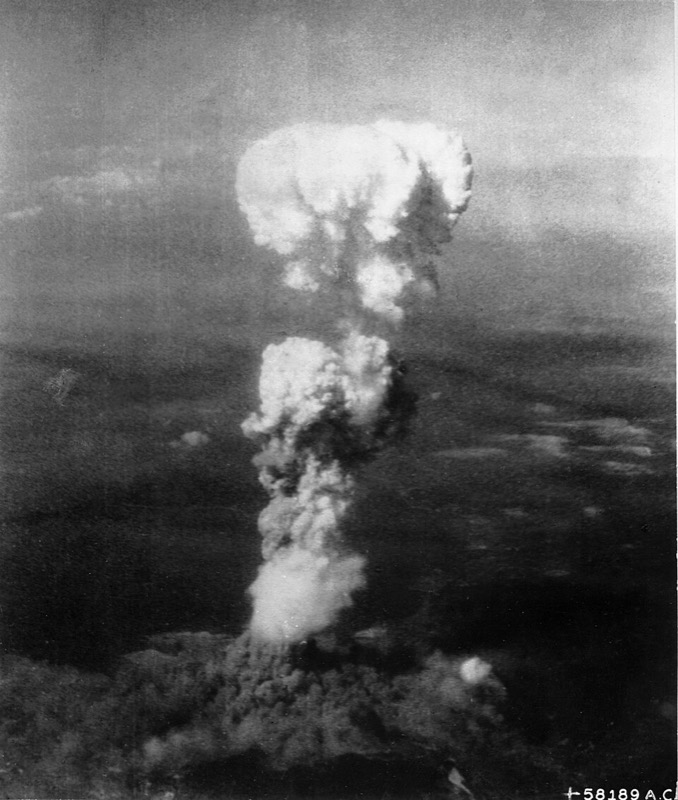
Japan surrendered after Midway
The US invaded the Japanese home islands in 1945
The US used island hopping and aircraft carriers; the war ended after atomic bombs and the Soviet entry
China was not involved
Okinawa (April-June 1945) was the last big battle; no invasion of the home islands took place.
What did Executive Order 9066 do?
It created the Manhattan Project
It authorized the removal of Japanese Americans from the West Coast to internment camps
It started the draft
It established Lend-Lease
About 120,000 people, two-thirds of them US citizens, were interned; Congress issued a formal apology and reparations in 1988.
Which statement about the Holocaust is accurate?
About six million Jews were murdered, along with millions of other victims
Only German Jews were targeted
It started in 1944
It was unknown to the Allies until 1945
Roma, disabled people, Poles, Soviet POWs and others were also killed. The Allies had reports from 1942, but rescue was limited.
The Battle of Kursk (1943) was the largest tank battle in history and ended Germany's last major offensive in the east.
True
False
Soviet forces, forewarned, built deep defenses. After Kursk the Red Army held the initiative.
