Quiz · Medium
Match thinkers to concepts, identify portraits and apply Durkheim, Marx, Weber and Simmel to short examples.
Which pair is matched correctly?
Weber: anomie as a social fact
Merton: verstehen
Durkheim: dramaturgy
Goffman: dramaturgy
Goffman developed dramaturgy. Verstehen is Weber's; anomie is Durkheim's (and Merton's adaptation).
Which portrait shows Max Weber?
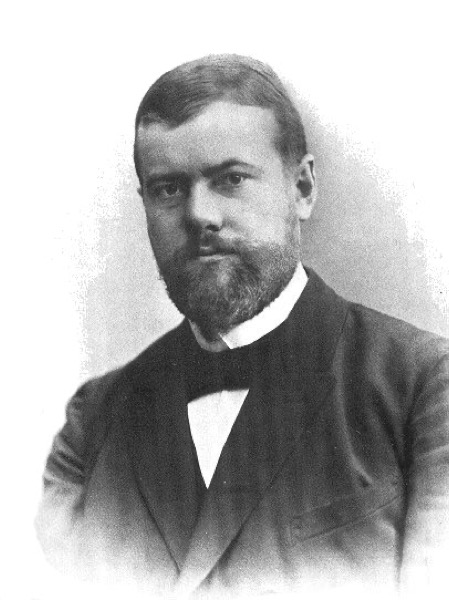
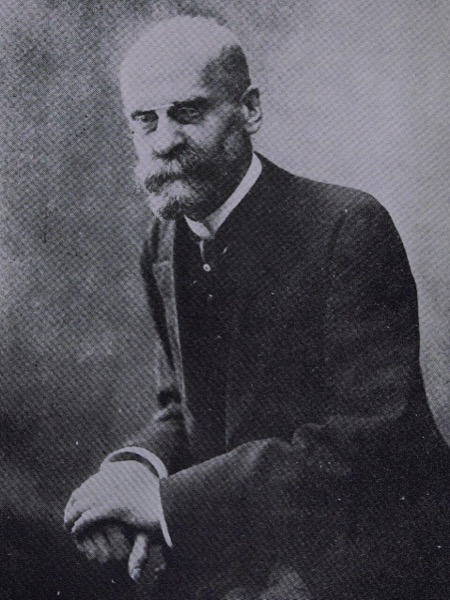
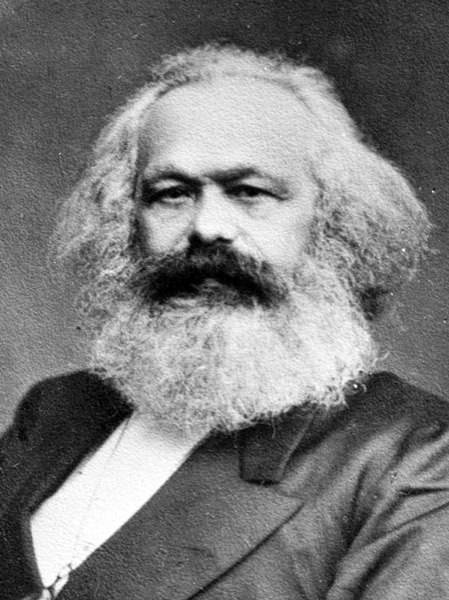
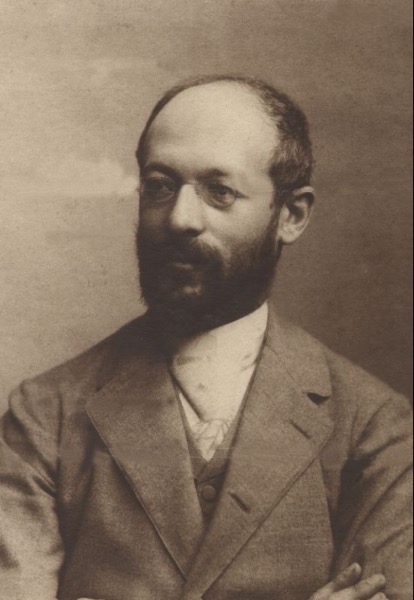
Weber is the man with a short beard and bow tie in the 1894 photograph. Durkheim, Marx and Simmel are the other classical figures.
Which portrait shows Emile Durkheim?
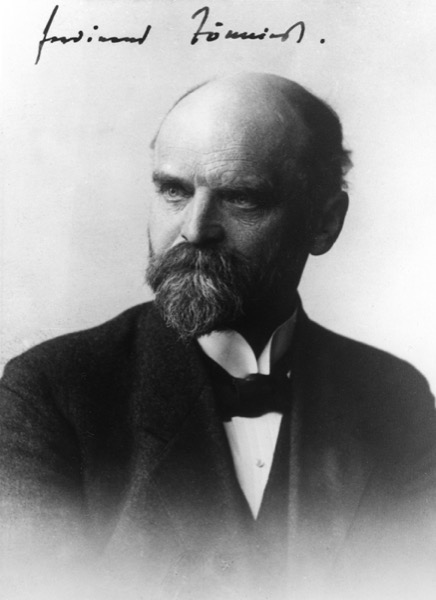
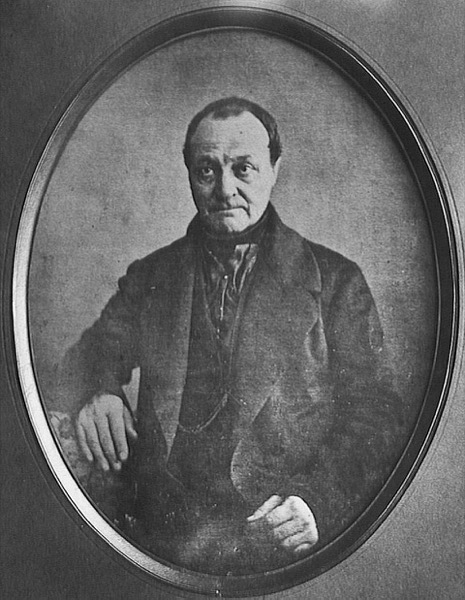
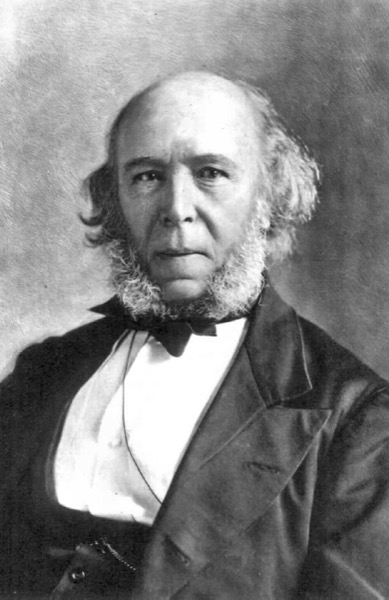
Durkheim, author of Suicide, is the older man with a mustache and goatee, seated with his hand on his knee. Comte, Spencer and Tonnies are earlier or contemporary theorists.
What did Auguste Comte call the final stage of his law of three stages?
Theological stage, based on gods and spirits
Industrial stage, based on capital
Positive stage, based on scientific observation
Metaphysical stage, based on abstract forces
Comte's stages are theological, metaphysical and positive. The positive (scientific) stage is the last. The metaphysical stage explains the world through abstract forces; it is the transition.
Marx argued that the base of society consists of:
law, religion and politics
norms and values shared by most people
bureaucratic rules
the economic system: forces and relations of production
The base is the economic foundation. Law, politics, religion and ideology are the superstructure that rests on it.
Which concept does NOT belong to Marx's theory?
Surplus value
Collective effervescence
Class consciousness
Alienation
Collective effervescence is Durkheim's term for the energy of group rituals. Alienation, class consciousness and surplus value are central Marxist ideas.
Durkheim found that suicide rates were higher among Protestants than Catholics because:
Catholic communities provided stronger social integration
Catholic countries kept better records
Catholic doctrine banned discussion of death
Protestants were poorer on average
Durkheim's argument was about social integration and regulation, not individual psychology or wealth. Stronger integration protects against egoistic suicide.
An economic crash leaves many people with no clear rules or expectations, and suicide rates rise. Durkheim would call this:
Egoistic suicide
Anomic suicide
Altruistic suicide
Fatalistic suicide
Anomic suicide follows sudden social disruption (crash or boom) that leaves people without regulation. Egoistic = too little integration; altruistic = too much; fatalistic = too much regulation.
In Durkheim's mechanical solidarity, social cohesion comes from:
economic interdependence and specialization
common enemies in class struggle
contracts enforced by courts
shared beliefs and similar lives
Mechanical solidarity occurs in small, traditional societies with a strong collective conscience. Organic solidarity relies on interdependence through the division of labor.
Weber's "verstehen" refers to:
studying class conflict in factories
statistical analysis of social facts
interpretive understanding of the meaning people give to action
the iron cage of rationalization
Verstehen is the interpretive understanding of subjective meanings, central to interpretive sociology. Statistical study of external facts is closer to Durkheim.
A manager runs a firm by written rules and defined offices, with hiring by qualifications. Weber would call this authority:
coercive
rational-legal
traditional
charismatic
Rational-legal authority rests on rules and offices. Traditional rests on custom (kings); charismatic rests on an individual's extraordinary appeal.
In The Protestant Ethic, Weber argued that:
capitalism caused Protestantism
Catholicism produced the first capitalist societies
Calvinist values of hard work and thrift helped create the spirit of capitalism
religion has no effect on economic behavior
Weber argued for an elective affinity between Calvinist ideas (calling, predestination anxiety, asceticism) and modern capitalism. He did not claim religion was the only cause.
Weber's three dimensions of stratification are:
bourgeoisie, proletariat and petty bourgeoisie
class, status and party
wealth, income and power
class, caste and race
Class (economic position), status (social honor), party (political power). This goes beyond Marx's focus on class alone.
Georg Simmel is best known for studying:
the looking-glass self
the forms of social interaction, such as dyads, triads and the stranger
rationalization and bureaucracy
the division of labor and suicide
Simmel's formal sociology examines patterns such as group size (a dyad becomes a triad) and urban life (The Metropolis and Mental Life).
Which of Tonnies's concepts describes close, kin-based and traditional social ties?
Anomie
Gesellschaft
Gemeinschaft
Mechanical solidarity
Gemeinschaft = community. Mechanical solidarity is Durkheim's similar but separate concept, so exam answers must match the thinker.
W.E.B. Du Bois's "double consciousness" describes:
the sense of seeing oneself through the eyes of a society that devalues you while also holding your own self-view
conflict between social classes
Black Americans' two jobs
the split between work and home
From The Souls of Black Folk (1903): "always looking at one's self through the eyes of others." It is about identity under racism, not about class.
Which scholar mapped and surveyed a Black neighborhood in The Philadelphia Negro (1899)?
Robert Park
Herbert Spencer
Jane Addams
W.E.B. Du Bois
Du Bois used interviews, surveys and mapping in Philadelphia's Seventh Ward. Addams did comparable work in Chicago's Hull House neighborhood, but the book is Du Bois's.
Cooley's looking-glass self has three steps. Which is the correct order?
see our actions, ask others, accept their view
imagine how others see us, imagine their judgment, feel pride or shame
feel shame, imagine others, act differently
take the role of the other, play, join a game
Cooley (1902): our self-concept is formed by imagining our appearance to others, their judgment of it, and our resulting self-feeling.
Mead's stages of self development, in order:
id, ego, superego
imitation, play, game (generalized other)
game, play, imitation
primary socialization, secondary socialization, resocialization
Mead: children imitate, play specific roles, then in games learn multiple roles at once and the generalized other. The id-ego-superego sequence is Freud's.
Merton's innovator accepts cultural goals but:
rejects both goals and means
rejects the goals and follows the rules
uses illegitimate means to achieve them
creates new goals and means
Innovation: accept goals, reject institutional means (fraud, theft). Ritualism: reject goals, follow the rules.
Which statement about Harriet Martineau is accurate?
She coined the term sociology
She wrote The Souls of Black Folk
She translated Comte and analyzed American society in Society in America (1837)
She founded the Chicago School's first department
Martineau translated and condensed Comte's Course of Positive Philosophy and wrote methodological and empirical works. Comte coined "sociology".
Which statement best describes Herbert Spencer's view of society?
Society evolves like an organism, and he applied "survival of the fittest" to it
Society is held together only by contracts
Society is a set of dramatic performances
Society is created by revolutionary workers
Spencer's organic analogy and social Darwinism: society develops through natural competition. Later sociologists criticized this as justifying inequality.
Which pair of thinkers is more associated with the "conflict" tradition than the functionalist one?
Merton and Comte
Spencer and Davis
Marx and Du Bois
Durkheim and Parsons
Marx is the founder of conflict theory and Du Bois analyzed racial conflict. Durkheim, Parsons, Merton and Davis are functionalists (Comte and Spencer are early precursors).
Who coined the word "sociology"?
Emile Durkheim
Max Weber
Herbert Spencer
Auguste Comte
Comte introduced the term in the 1830s. Durkheim later made it an academic discipline.
