Quiz · Easy
Photo and text questions on beginner Polish vocabulary: food, transport, family, body, time and colors, with gender traps and false friends.
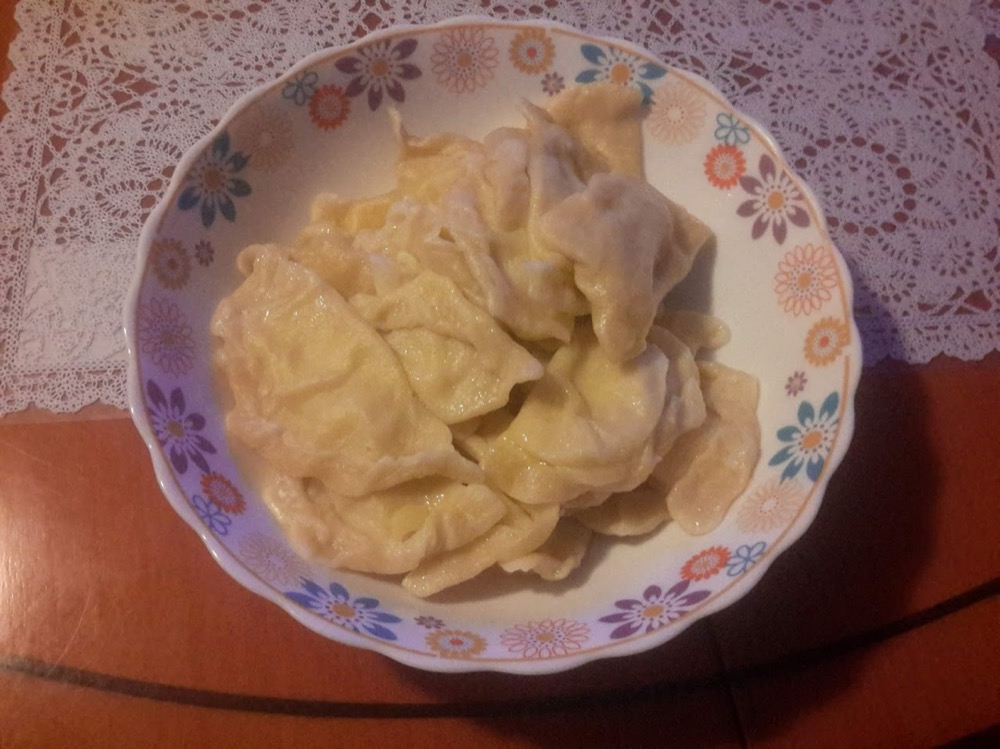
What is this dish called in Polish?
bigos
żurek
pierogi
kiełbasa
Pierogi are filled dumplings. Bigos is a stew of sauerkraut and meat, żurek is a sour rye soup and kiełbasa is sausage. Image: Piotrus, CC BY-SA 4.0, via Wikimedia Commons.
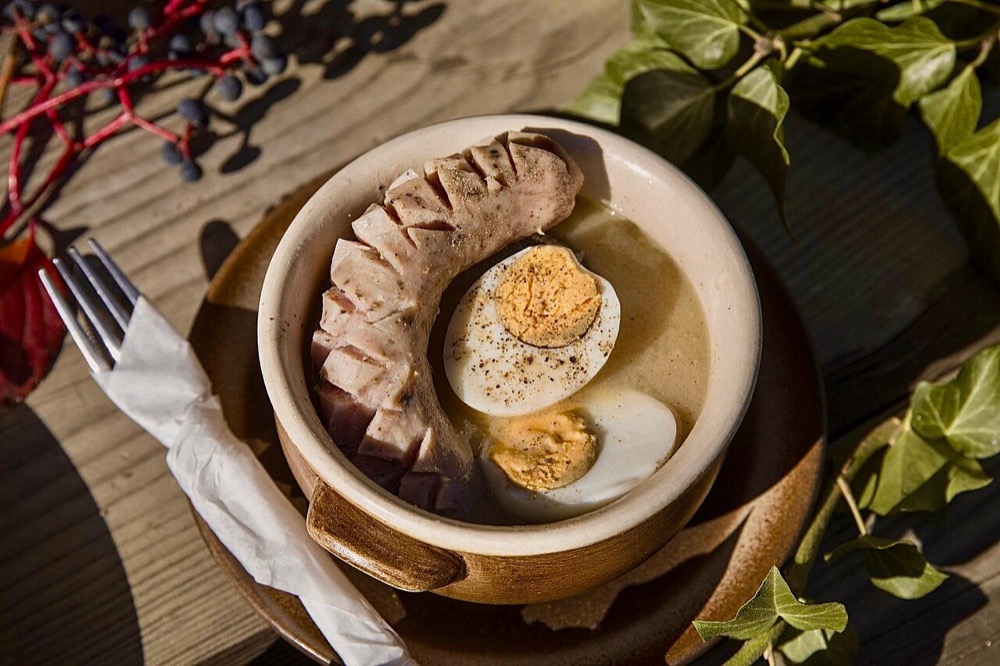
What is this soup?
żurek
barszcz
zupa
bigos
Żurek is a sour rye soup, often served with sausage and egg. Bigos is a stew, not a soup.
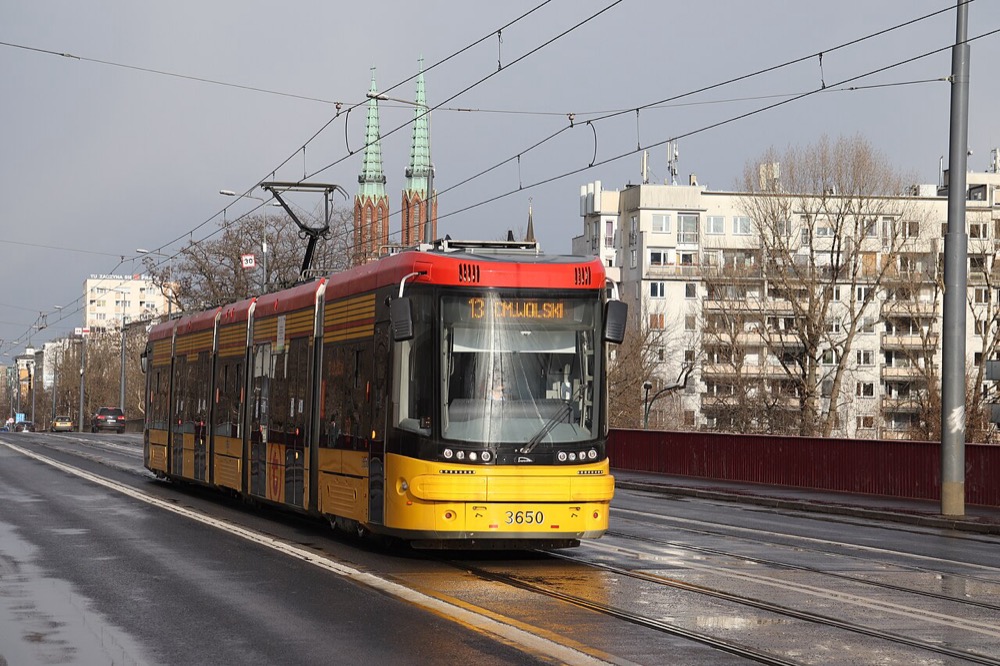
Which Polish word means 'tram'?
pociąg
autobus
samolot
tramwaj
Tramwaj = tram, pociąg = train, autobus = bus, samolot = airplane. Image: Andrzej Otrębski, CC BY-SA 4.0, via Wikimedia Commons.
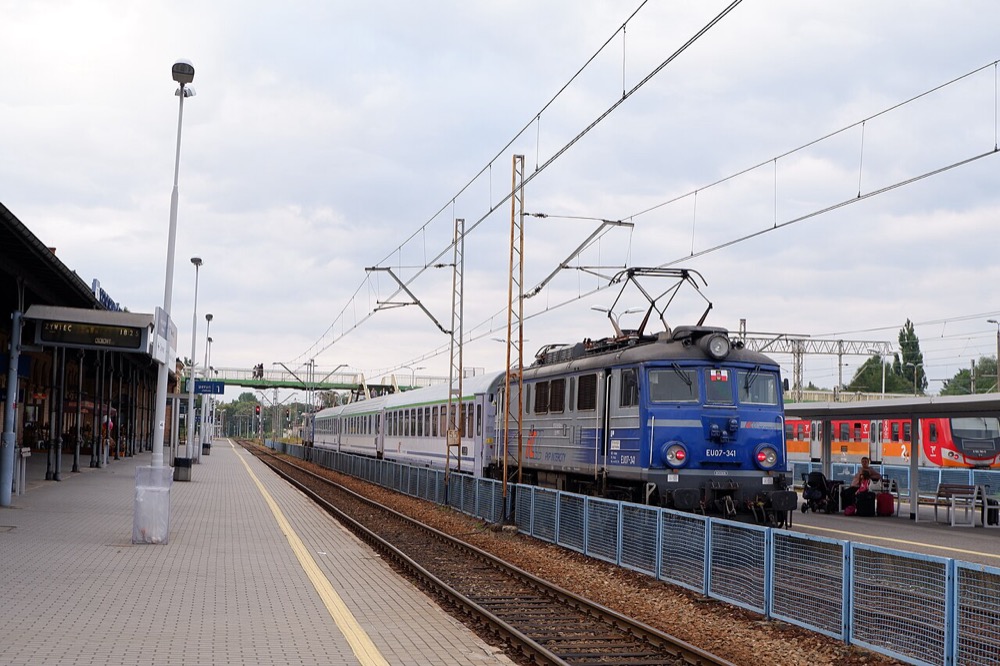
What is the word for this?
tramwaj
pociąg
rower
statek
Pociąg = train. The ą is a nasal vowel, said roughly 'POH-chonk'. Image: Kamil Czaiński, CC BY-SA 4.0, via Wikimedia Commons.
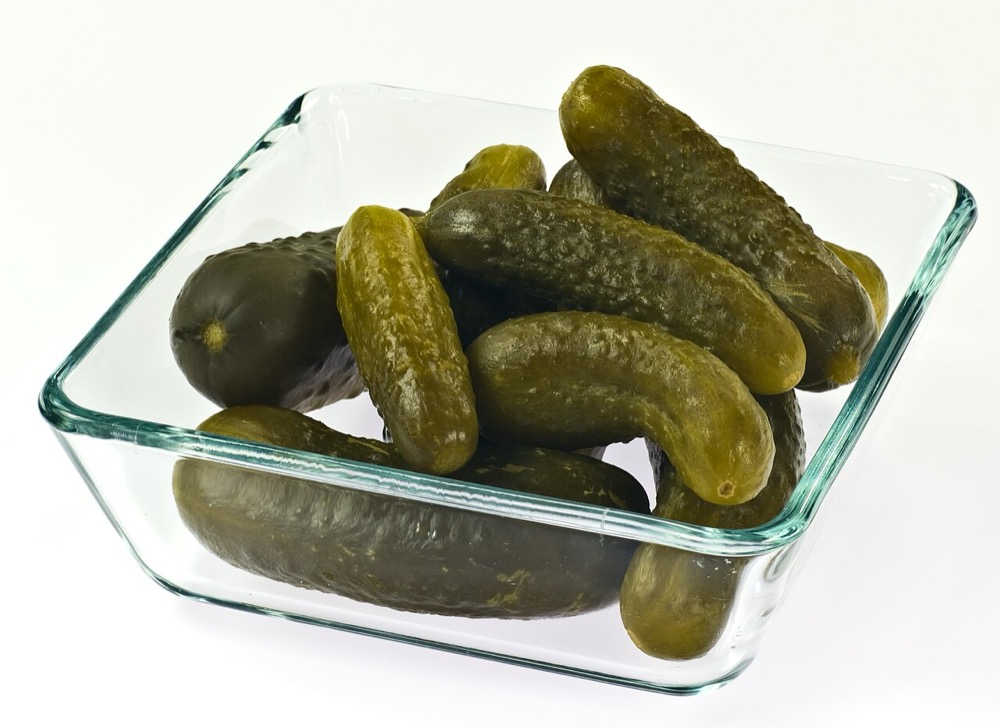
What are these small green things in a glass dish?
pomidory
ogórki kiszone
cytryny
winogrona
Ogórki kiszone are fermented pickled cucumbers. Ogórek means cucumber. Image: Nikodem Nijaki, CC BY-SA 3.0, via Wikimedia Commons.
What color is this?

niebieski
fioletowy
brązowy
szary
Fioletowy = purple, from fiołek (violet). Niebieski = blue, brązowy = brown, szary = gray.
A 'kolega' is:
a female friend
a male friend or colleague
a college
a teacher
Kolega is a male colleague or friend (female: koleżanka). It is a false friend for English 'college'; a college/university is uniwersytet or uczelnia.
What does 'biblioteka' mean?
bookshop
bible
notebook
library
Biblioteka = library. A bookshop is a księgarnia, the Bible is Biblia, a notebook is zeszyt.
Which picture shows a 'pies' (dog)?
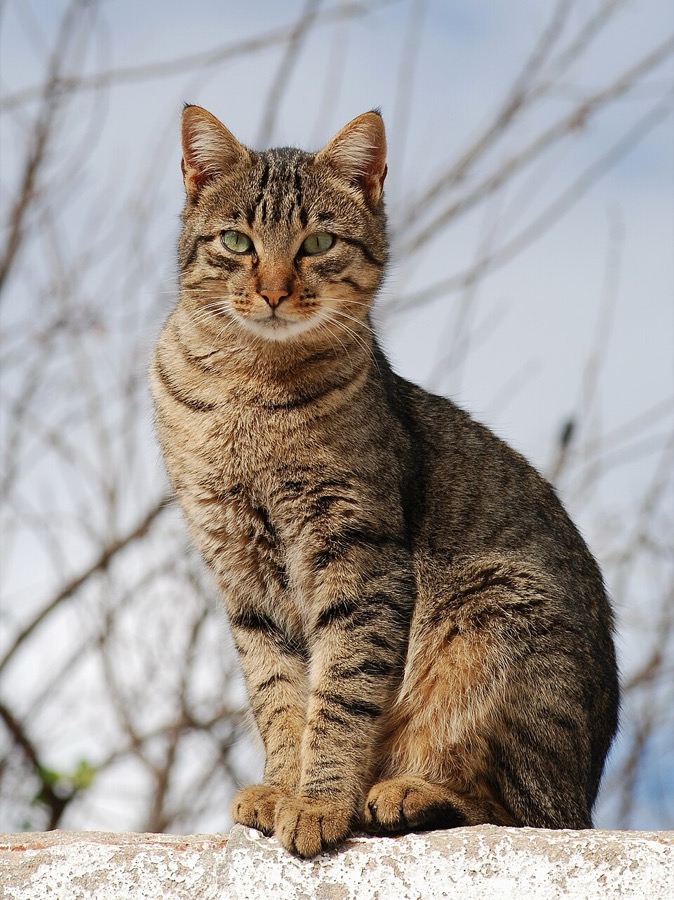
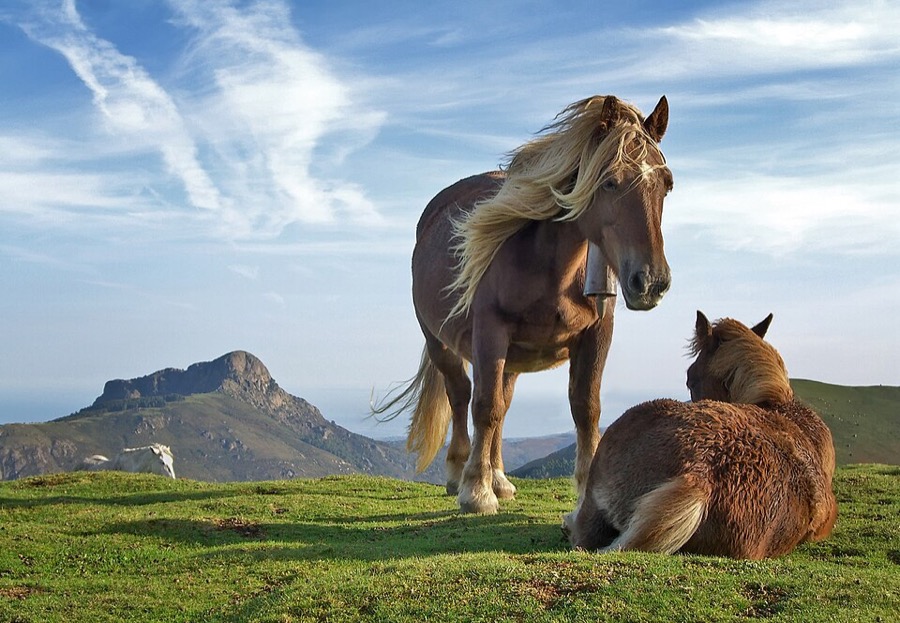
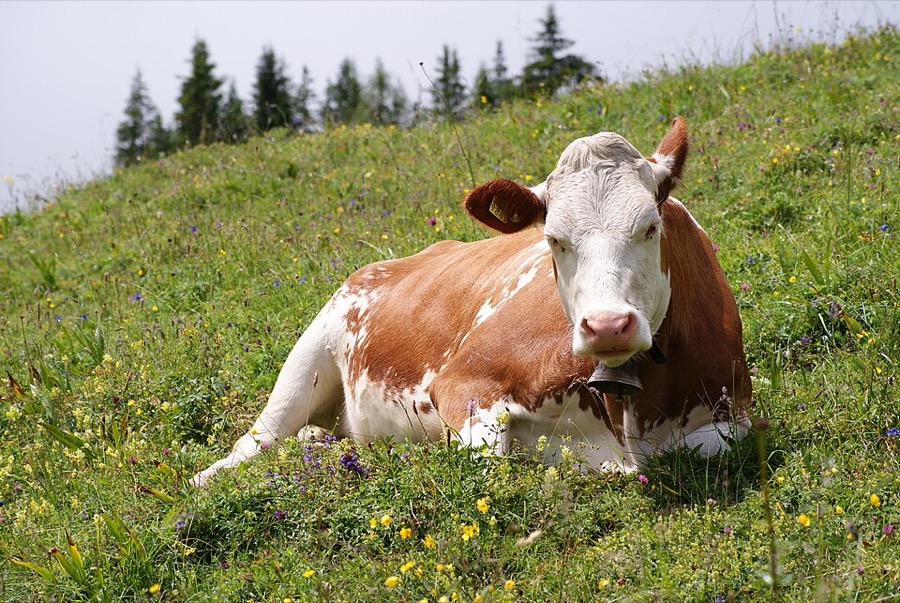
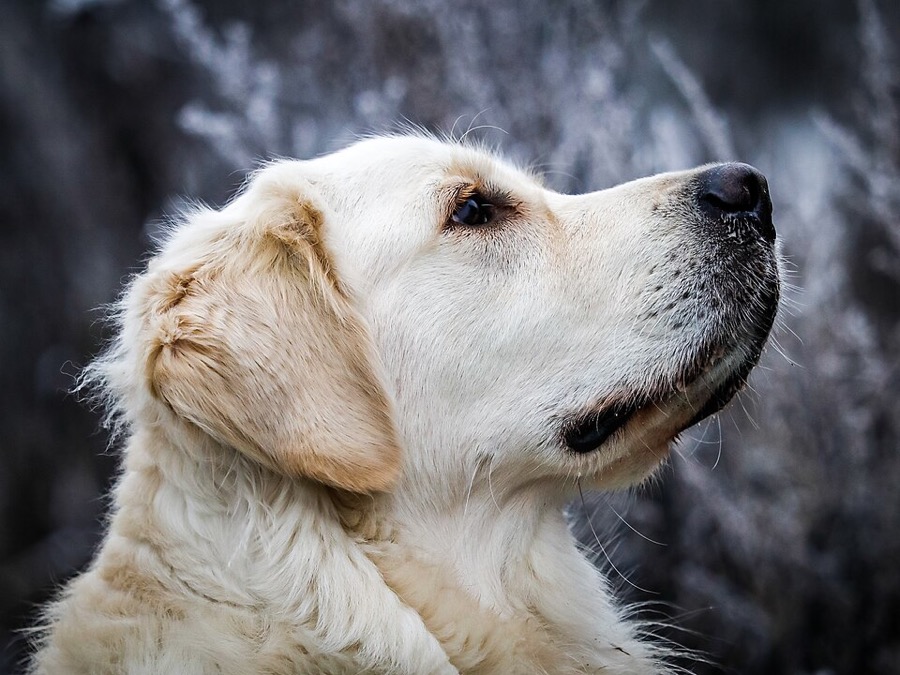
Pies = dog (plural psy). Kot = cat, koń = horse, krowa = cow. Image: Alvesgaspar, CC BY-SA 3.0, via Wikimedia Commons. Image: Mikel Ortega from Errenteria, Basque Country, Spain, with a retouche by Richard, CC BY-SA 2.0, via Wikimedia Commons. Image: Kim Hansen, CC BY-SA 3.0, via Wikimedia Commons. Image: Dietmar Rabich, CC BY-SA 4.0, via Wikimedia Commons.
Which picture shows 'ser' (cheese)?
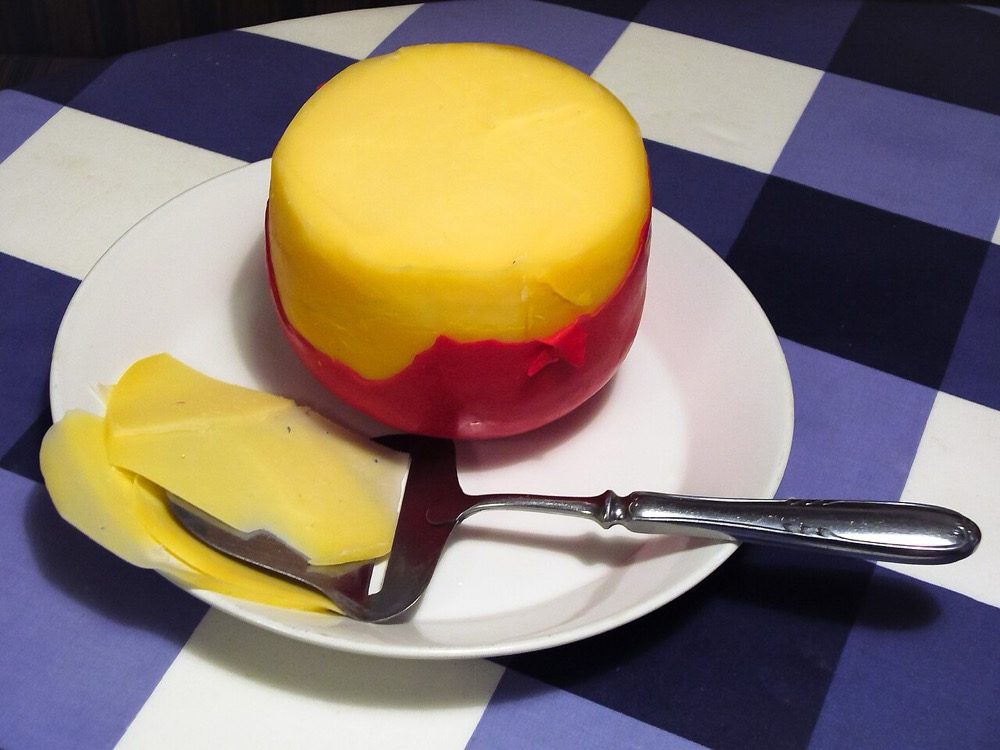
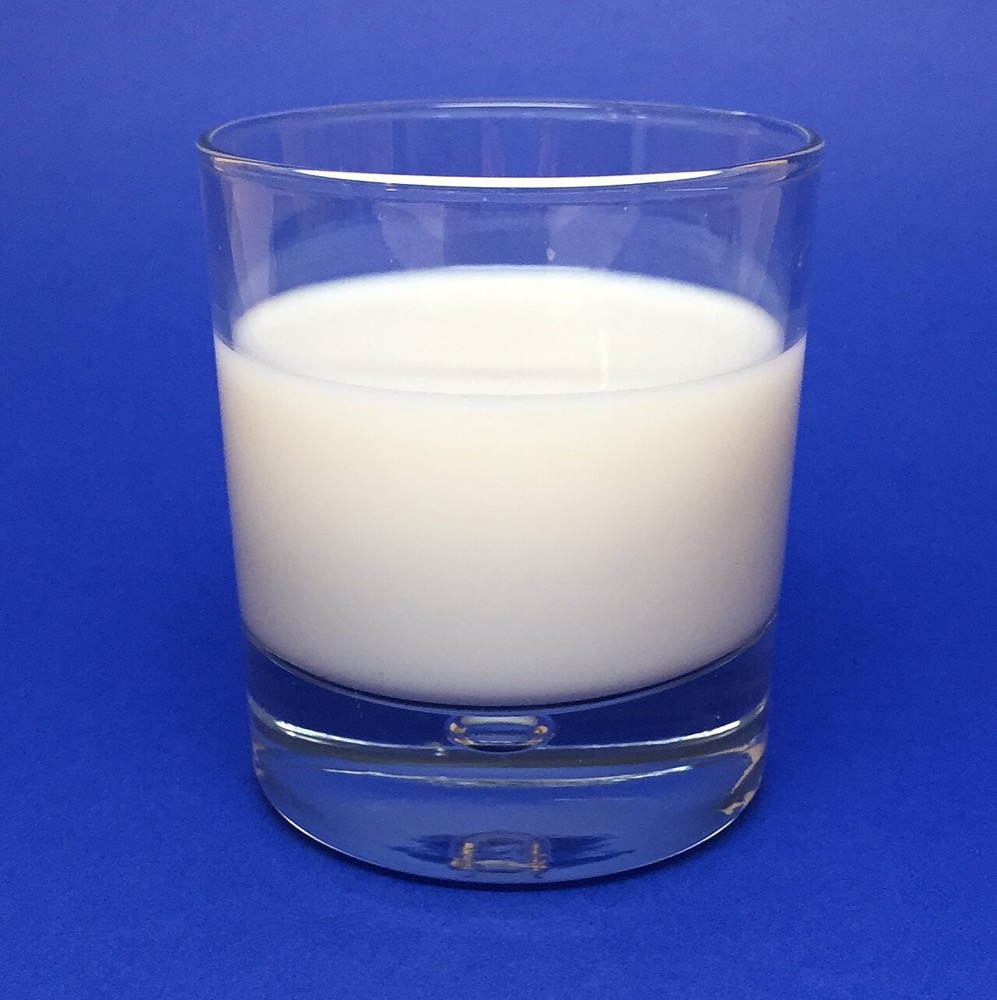
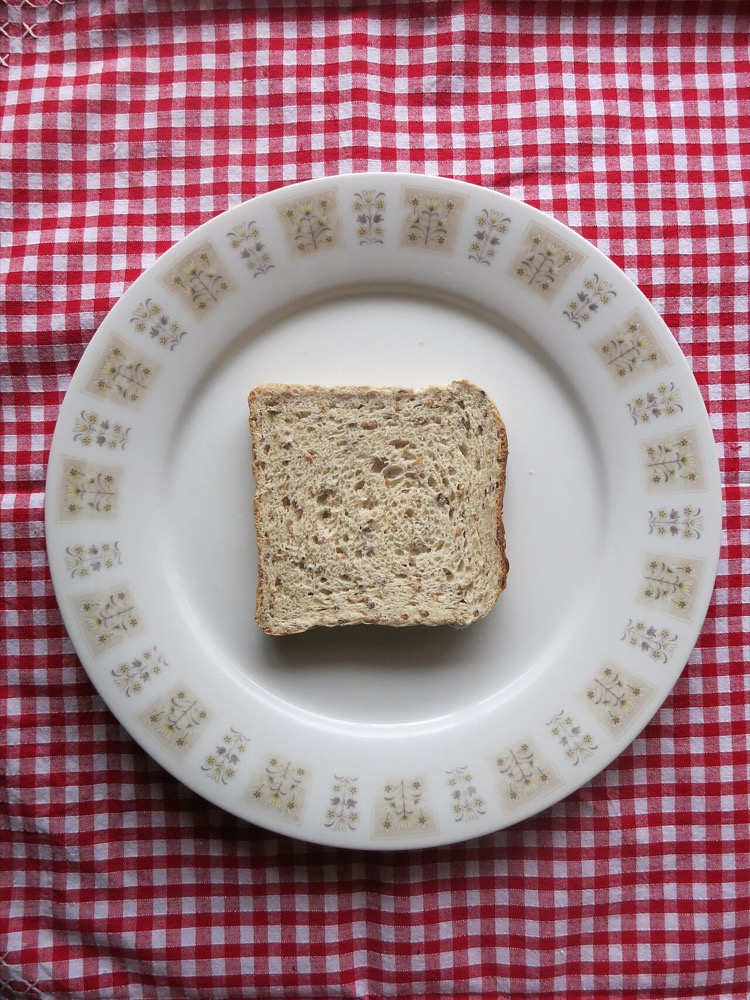
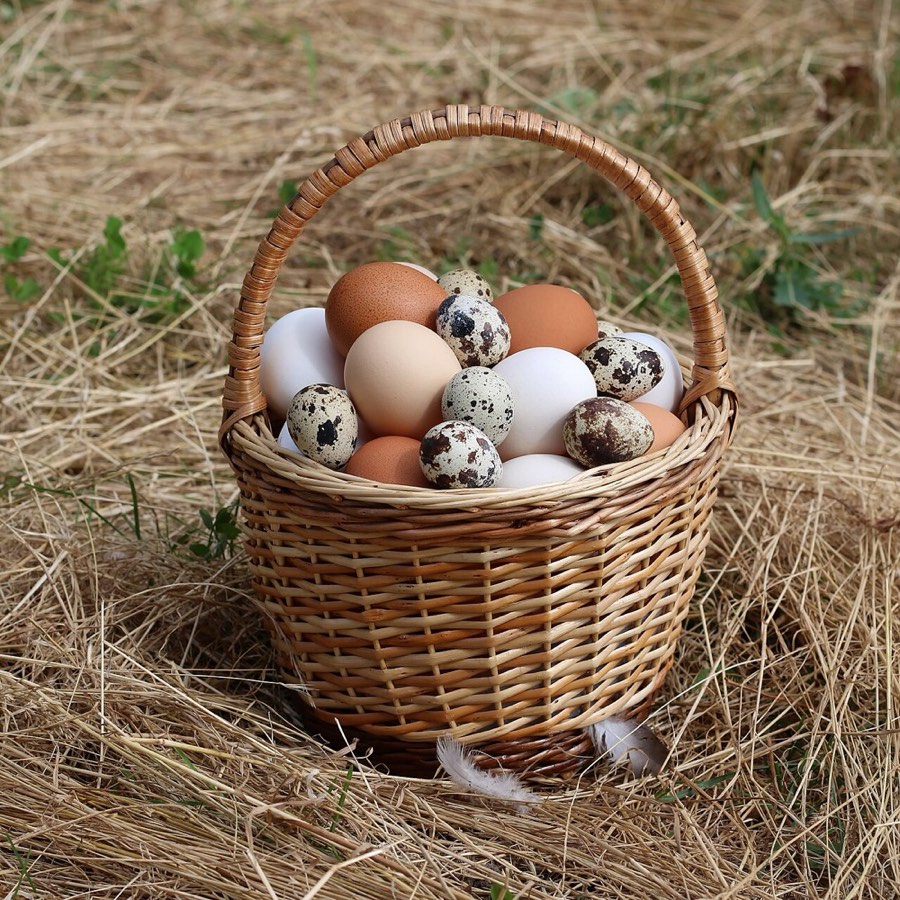
Ser = cheese. Mleko = milk, chleb = bread, jajko = egg. Image: Yvwv, CC BY-SA 3.0, via Wikimedia Commons. Image: NIAID, CC BY 2.0, via Wikimedia Commons. Image: Hannahdownes, CC BY-SA 4.0, via Wikimedia Commons. Image: George Chernilevsky, CC BY-SA 4.0, via Wikimedia Commons.
Which gender is 'mleko' (milk)?
masculine
feminine
neuter
it has no gender
Nouns ending in -o are usually neuter: mleko, piwo, wino, jajko, okno.
Which gender is 'sól' (salt)?
masculine
neuter
plural only
feminine
Sól is feminine even though it ends in a consonant. Memorize a few exceptions like sól, noc, rzecz.
Which word is ALWAYS plural in Polish?
okno
drzwi
stół
kuchnia
Drzwi (door), okulary (glasses), plecy (back), pieniądze (money), lody (ice cream) and wakacje (vacation) are plural-only.
'Boli mnie głowa' means:
I have a fever.
I have a cough.
I have a headache.
I feel happy.
Boli = hurts, mnie = me, głowa = head. 'Mam gorączkę' is the fever, 'mam kaszel' the cough.
Which is the Polish word for 'Thursday'?
czwartek
czwarty
wtorek
piątek
Czwartek comes from czwarty = fourth. Wtorek is Tuesday and piątek is Friday.
Which month is 'kwiecień'?
May
March
April
July
Kwiecień comes from kwiat (flower). Maj is May, marzec March, lipiec July.
What time is shown? (clock reads 7:15)
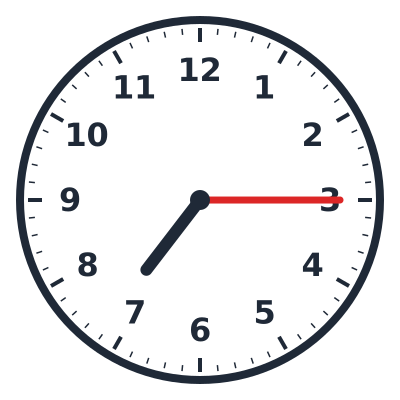
Jest kwadrans po siódmej.
Jest wpół do siódmej.
Jest za kwadrans siódma.
Jest siódma trzydzieści.
Kwadrans po siódmej = a quarter past seven. Wpół do siódmej = half past six; za kwadrans siódma = quarter to seven.
What color is this?

zielony
różowy
pomarańczowy
czerwony
Czerwony = red. Różowy (pink) comes from róża (rose); pomarańczowy (orange) from pomarańcza.
'Zimno' describes:
cold weather
warm weather
sunny weather
rain
Zimno = cold, ciepło = warm, gorąco = hot, słonecznie = sunny.
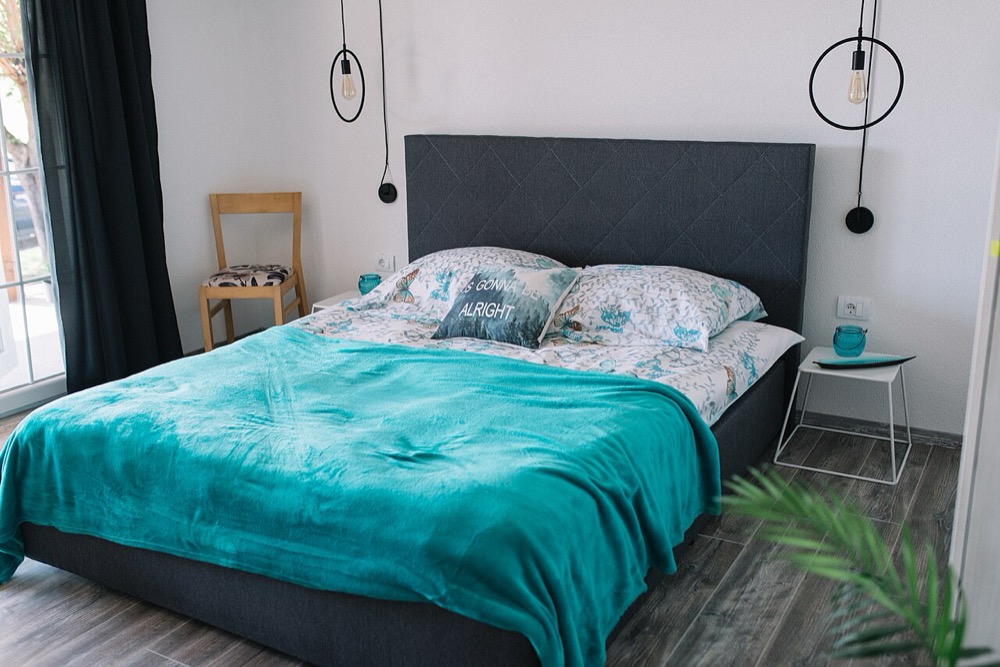
Which room is this?
łazienka
kuchnia
sypialnia
salon
Sypialnia = bedroom, from spać (to sleep). Łazienka is bathroom, kuchnia kitchen, salon living room. Image: Shixart1985, CC BY 2.0, via Wikimedia Commons.
Which is the right word for 'sister'?
brat
córka
ciocia
siostra
Siostra = sister, brat = brother, córka = daughter, ciocia = aunt.
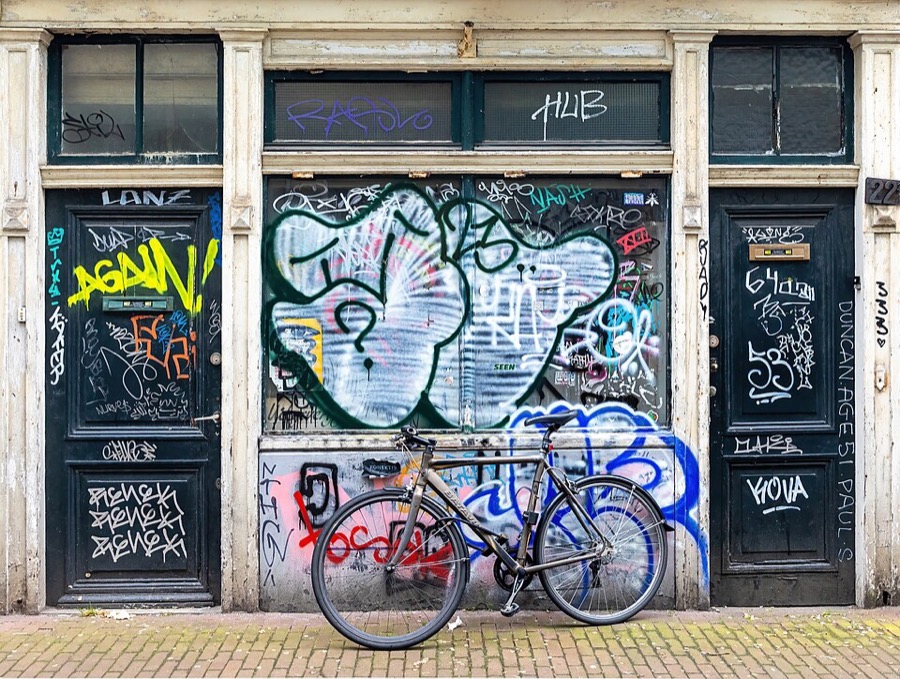
What is a 'rower'?
a boat
a bicycle
a train
a motorcycle
Rower = bicycle: 'jechać rowerem' = to ride a bike. A boat is łódź, a train is pociąg. Image: Basile Morin, CC BY-SA 4.0, via Wikimedia Commons.
What does 'obiad' mean?
breakfast
evening meal
the main midday meal
a snack
Obiad is the main meal, eaten in the afternoon. Śniadanie = breakfast, kolacja = supper.
What is 'Sukiennice' in Kraków?
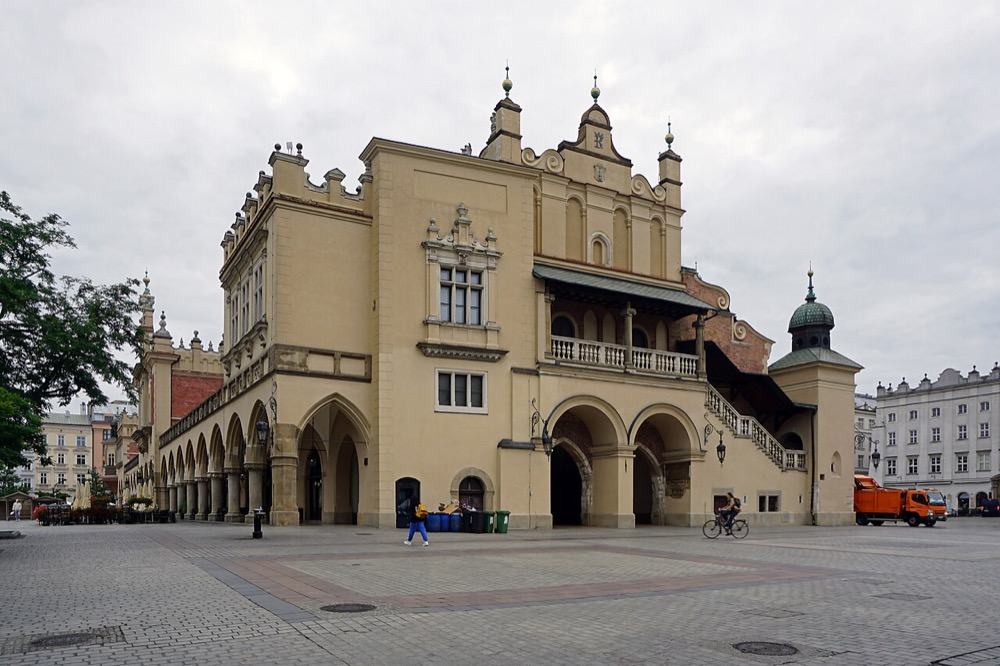
the Cloth Hall in the main market square
a castle
a train station
a university
Sukiennice (from sukno, cloth) is a Renaissance trading hall on the Rynek Główny. Image: Igor123121, CC BY 4.0, via Wikimedia Commons.
Which sentence says 'I'm hungry' for a woman?
Jestem głodny.
Jestem głodne.
Jestem głodna.
Mam głodna.
Adjectives agree with the speaker: a woman says głodna, a man says głodny. Polish does not use 'mam' (have) for hunger.
