Quiz · Easy
23 questions on food, family, weather, transport, health and shopping vocabulary, including photo questions. Beginner level.
What does 苹果 (píngguǒ) mean?
orange
apple
peach
pear
苹果 is apple. 橙子 chéngzi is orange and 梨 lí is pear.
Which word means 'chopsticks'?
筷子
勺子
盘子
碗
筷子 kuàizi is chopsticks; 勺子 is a spoon, 盘子 a plate and 碗 a bowl.
你想喝什么?我想喝___。 Which completes the sentence naturally?
米饭
面条
茶
饺子
喝 (to drink) goes with drinks such as 茶 (tea). Rice, noodles and dumplings are eaten (吃).
Which pair are both family members on the MOTHER's side?
爷爷 and 奶奶
哥哥 and 弟弟
叔叔 and 阿姨
外公 and 外婆
外公 and 外婆 are mother's father and mother's mother. 爷爷 and 奶奶 are on the father's side.
What is shown in the picture?
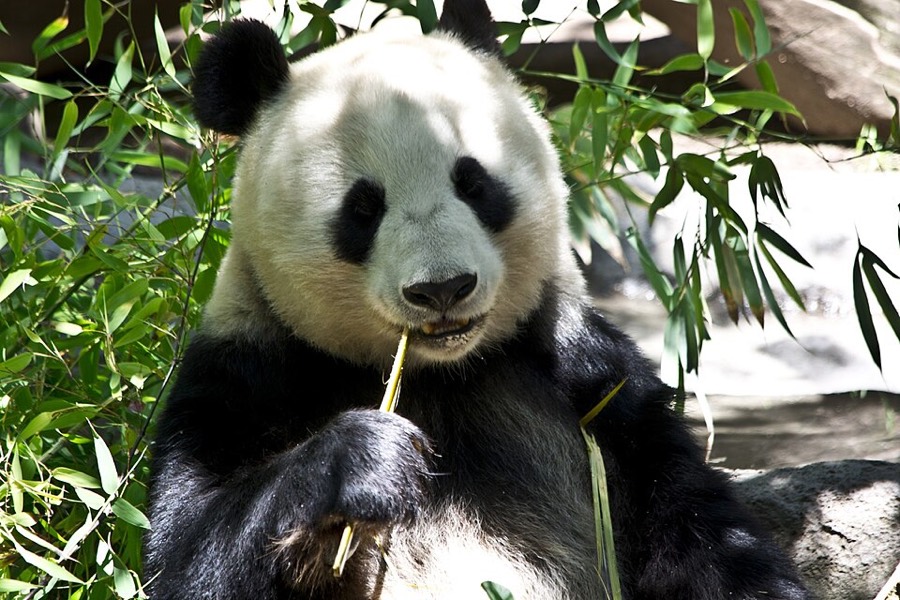
老虎
熊猫
猴子
狗
The photo shows a giant panda, 熊猫 xióngmāo, literally 'bear cat'. Image: Ronald Carlson, CC0, via Wikimedia Commons.
Which word names the food in the photo?
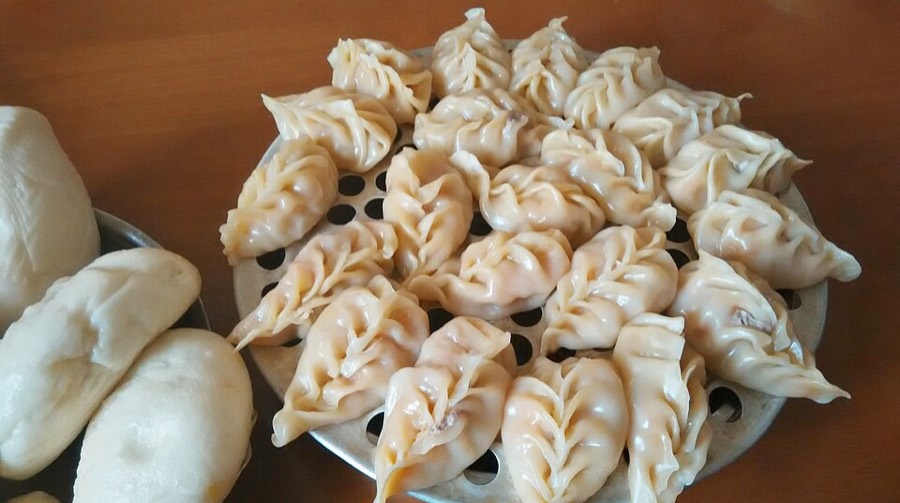
包子
米饭
饺子
面包
These are 饺子 jiǎozi, filled dumplings. 包子 baozi are fluffy steamed buns and 面包 is bread.
What is the Chinese word for the animal in the photo?
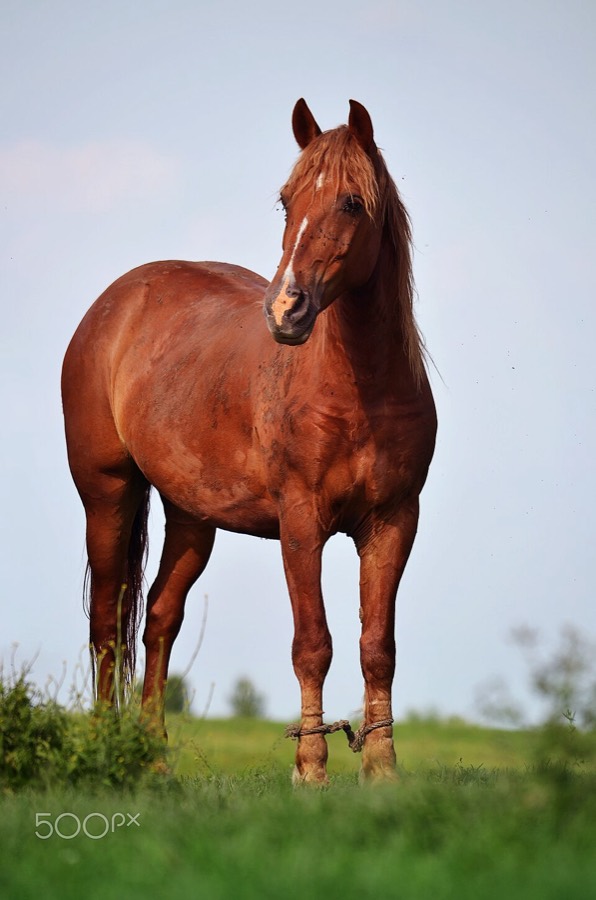
马
牛
羊
猪
马 mǎ is horse. 牛 niú is cow, 羊 yáng is sheep, 猪 zhū is pig.
今天很冷,还下雪。 What is the weather like?
Hot and sunny
Cool and windy
Warm and rainy
Cold and snowing
冷 is cold and 下雪 is 'to snow'. 热 would be hot, 下雨 rain, 刮风 windy.
Which word means 'sunny day'?
阴天
晴天
下雨
刮风
晴天 qíngtiān is a sunny day; 阴天 yīntiān is overcast.
Which two characters look alike but mean 'to buy' and 'to sell' (in that order)?
买 mǎi and 卖 mài
卖 mài and 买 mǎi
买 mǎi and 买 mǎi
卖 mǎi and 卖 mài
买 (mǎi, 3rd tone) is buy; 卖 (mài, 4th tone) adds 十 on top and means sell.
你们家有几口人? What does 口 do in this sentence?
It means 'mouth' here
It means 'door'
It is the measure word for family members
It makes the sentence a question
口 is the measure word for the number of people in a family: 我家有四口人.
Which word is the odd one out?
地铁
出租车
公共汽车
医院
地铁, 出租车 and 公共汽车 are all transport; 医院 is a hospital, a place.
Someone says 一直走,然后往左拐. What should you do?
Turn left, then go straight
Go straight, then turn left
Go straight, then turn right
Stop and wait here
一直走 is go straight; 往左拐 is turn left. 右 is the character for right.
What is shown in the picture?
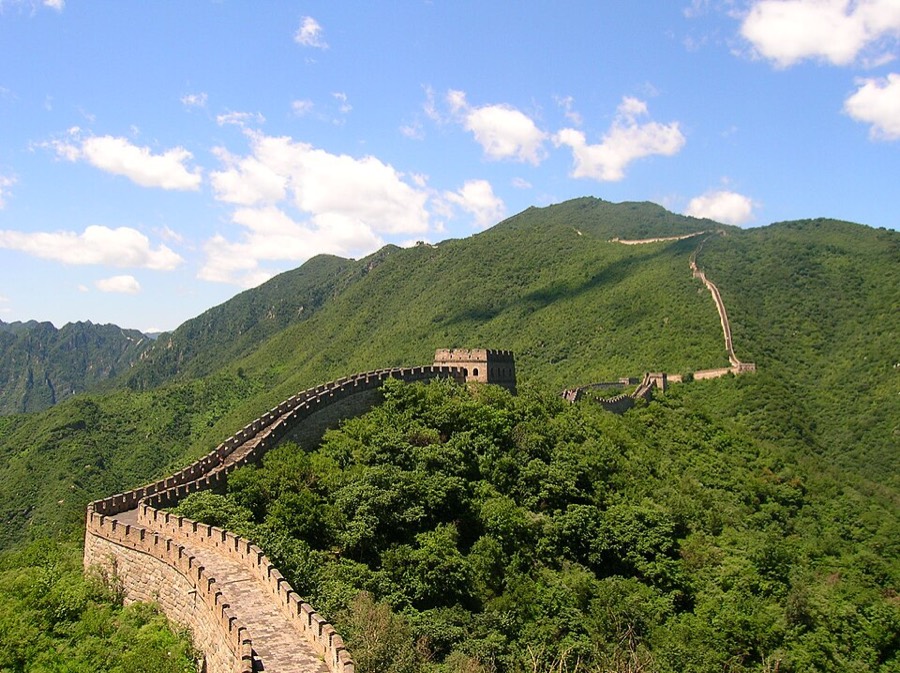
The Forbidden City (故宫)
A lantern (灯笼)
The Great Wall (长城)
A high-speed train (高铁)
The photo shows the Great Wall, 长城 Chángchéng, 'long wall'. Image: Velatrix, CC0, via Wikimedia Commons.
你哪儿不舒服?我头疼。 What is the problem?
The person has a headache
The person has a fever
The person is hungry
The person is tired
头 is head and 疼 is hurts: 头疼 is a headache. A fever is 发烧.
Which word means 'cheap'?
贵
旧
新
便宜
便宜 piányi is cheap; 贵 guì is expensive. 旧 and 新 are old and new.
Which word is the polite way to ask where the restroom is, 请问,___在哪儿?
银行
厕所
邮局
医院
厕所 cèsuǒ is toilet. The others are places of business or services.
What does 生日快乐 mean?
Happy New Year
Good luck
Happy birthday
Good morning
生日 is birthday and 快乐 is happy. Happy New Year is 新年快乐.
Which of these describes feelings: 'excited, moved'?
激动
无聊
害羞
满意
激动 jīdòng is excited. 无聊 is bored, 害羞 is shy, 满意 is satisfied.
Which is the right way to say 'How much is this?'
这个几点?
这个多少钱?
这个什么钱?
这个哪儿钱?
多少钱 is the set phrase for asking a price. 几点 asks the time.
The word 'lantern' in Chinese is...
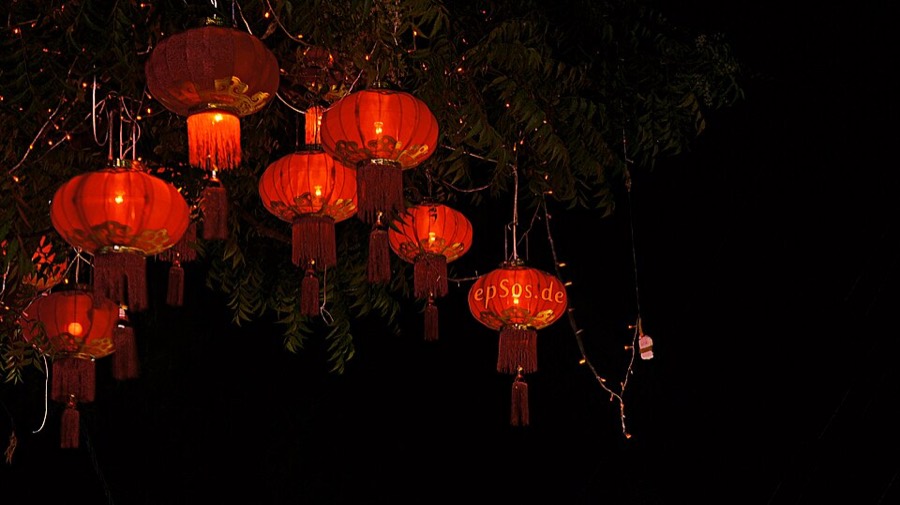
灯光
笼子
灯泡
灯笼
灯笼 dēnglong is a lantern. 笼子 is a cage and 灯泡 a light bulb.
True or False: 北京 (Běijīng) is the capital of China.
True
False
北京, literally 'northern capital', is the capital. Shanghai (上海) is the largest city.
In 我的爷爷七十岁了, how is the grandfather related to the speaker?
He is the father's father
He is the mother's father
He is the father's older brother
He is the mother's older brother
爷爷 is the paternal grandfather; 外公 is the maternal grandfather.
