Quiz · Medium
Photos and questions on Sputnik, Gagarin, Apollo, the Shuttle, the ISS, Mars rovers, Voyager, Hubble, JWST, rocket basics and exoplanet detection.
The first artificial satellite was
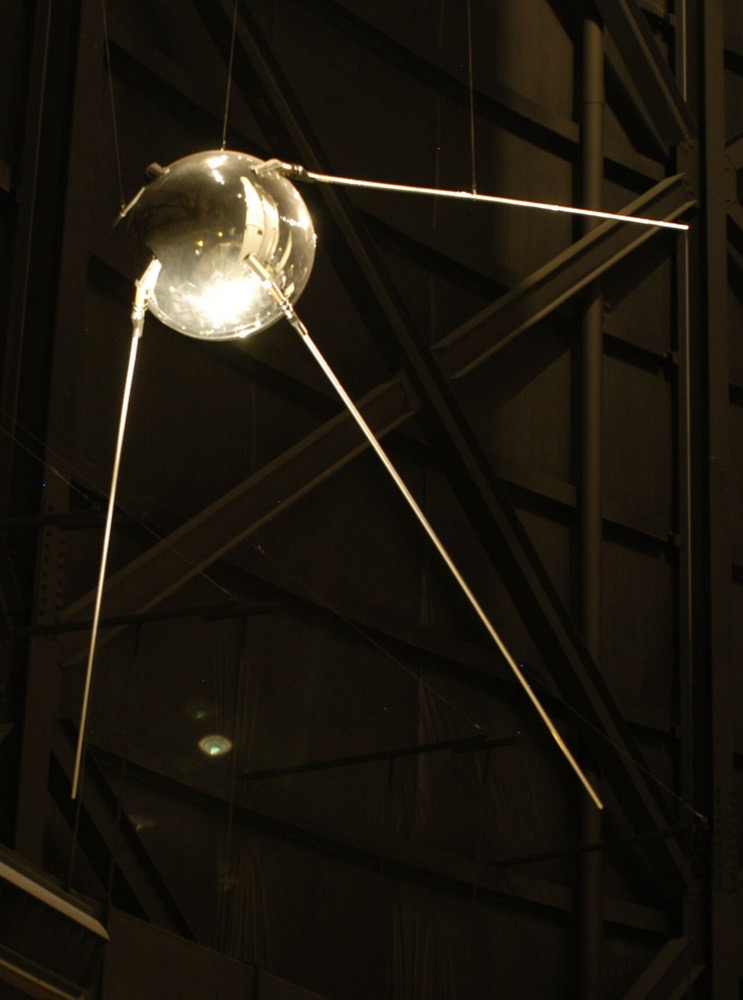
Vostok 1
Explorer 1
Sputnik 1
Telstar
The USSR's Sputnik 1 launched on 4 October 1957. The US's Explorer 1 followed in January 1958 and discovered the Van Allen belts.
Who was the first human in space?
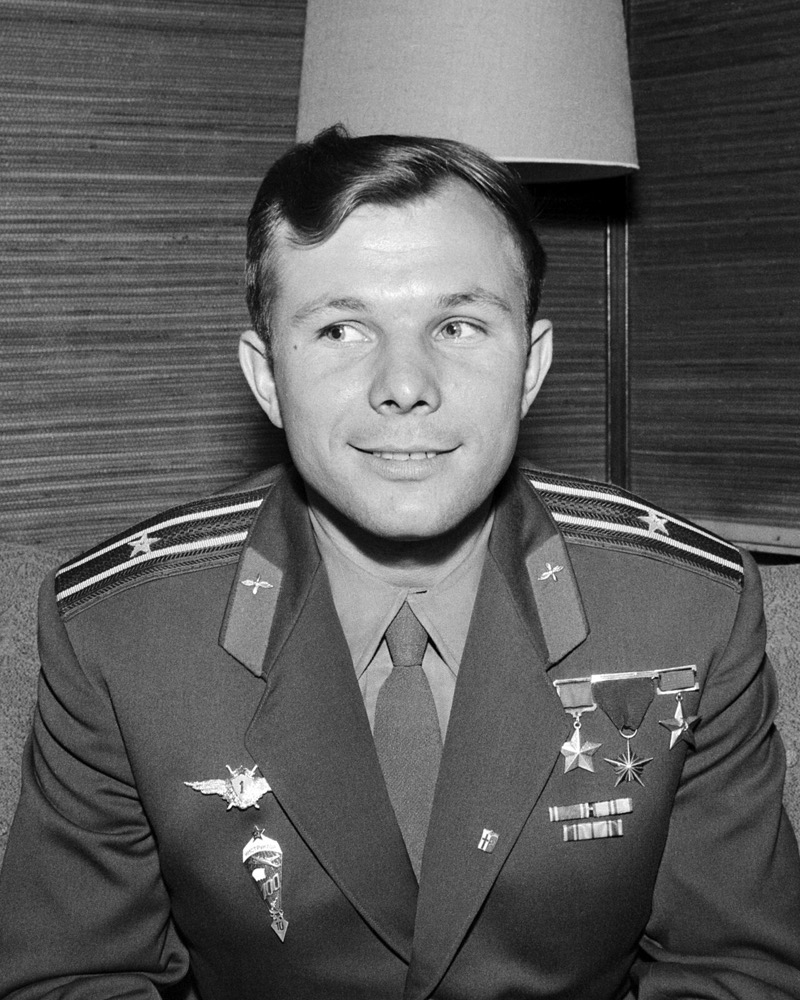
Neil Armstrong
John Glenn
Yuri Gagarin
Alan Shepard
Gagarin orbited Earth once on 12 April 1961. Shepard was the first American in space (suborbital) and Glenn the first American to orbit.
The rocket lifting off in this photo carried the astronauts of which mission?
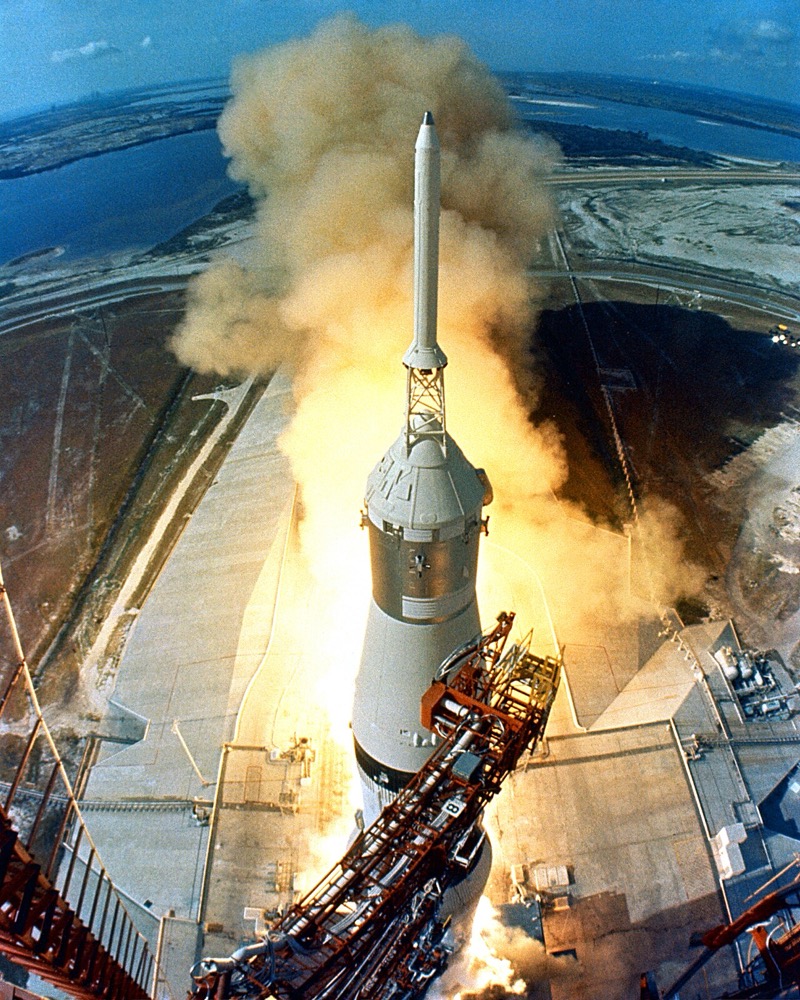
Skylab
Space Shuttle STS-1
Apollo 8
Apollo 11
The Saturn V launched Apollo 11 on 16 July 1969. The Shuttle used a different, partly reusable vehicle.
Which astronaut stayed in lunar orbit during the first Moon landing?
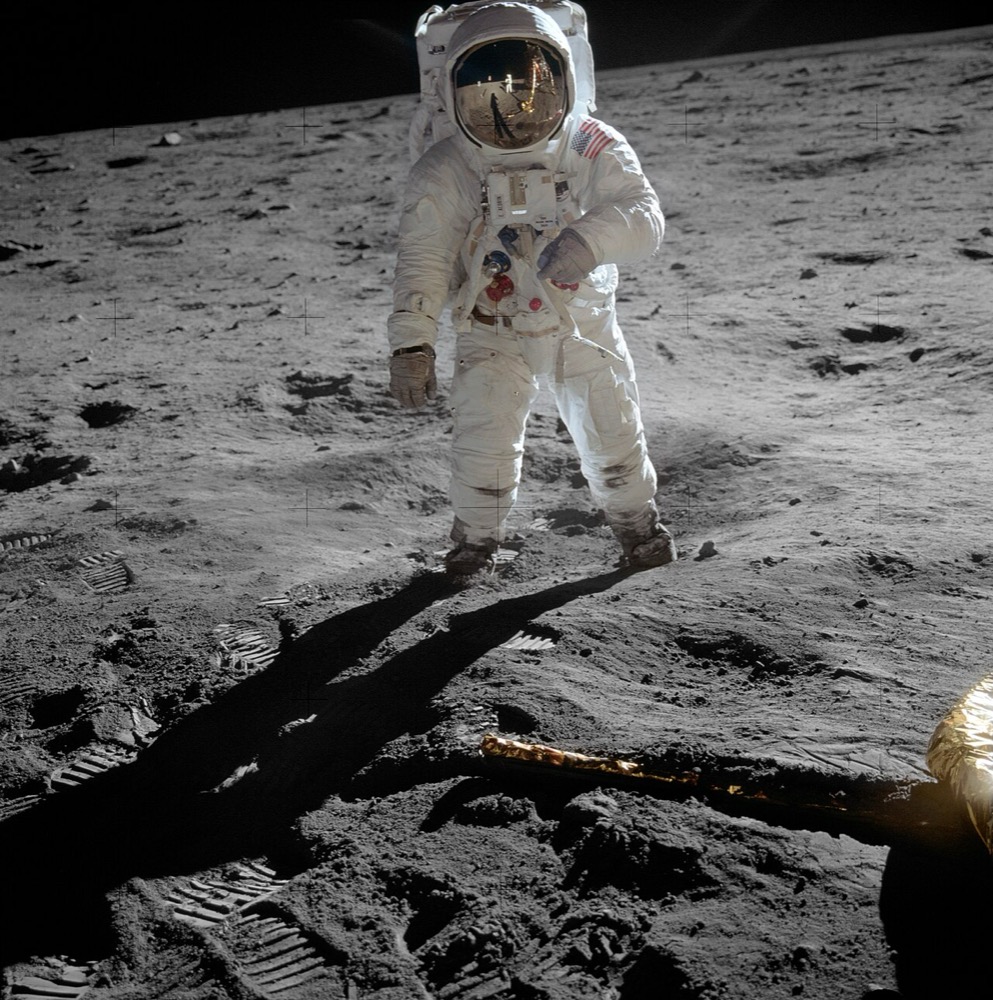
Neil Armstrong
Alan Shepard
Buzz Aldrin
Michael Collins
Collins flew the command module Columbia while Armstrong and Aldrin landed in the lunar module Eagle.
Which mission took the "Earthrise" photograph in 1968?
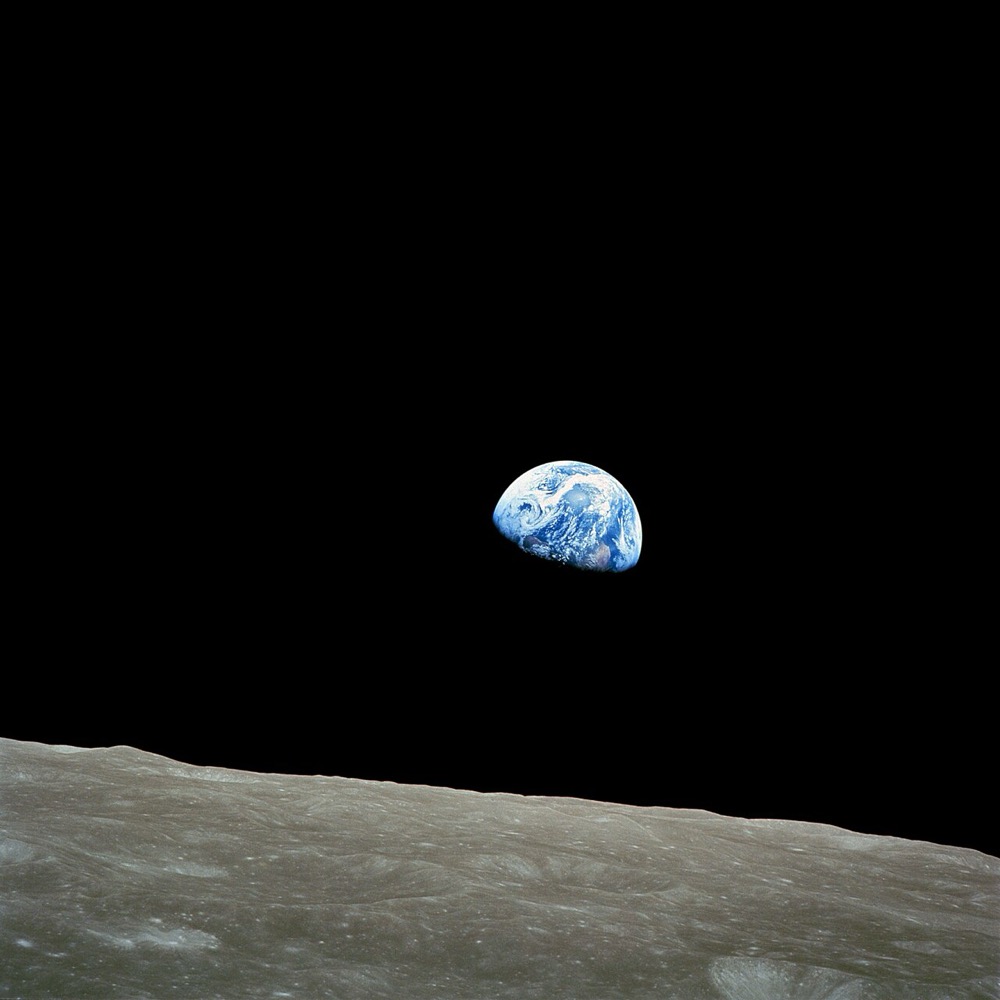
Apollo 17
Apollo 13
Apollo 8
Apollo 11
Apollo 8 was the first crewed mission to orbit the Moon and the first humans to see Earth rise over the lunar horizon.
How many people have walked on the Moon?
12
24
6
2
Six Apollo landings (11, 12, 14, 15, 16, 17) put two astronauts each on the surface. Six is the number of landings, not the number of people.
Why do astronauts on the ISS float?
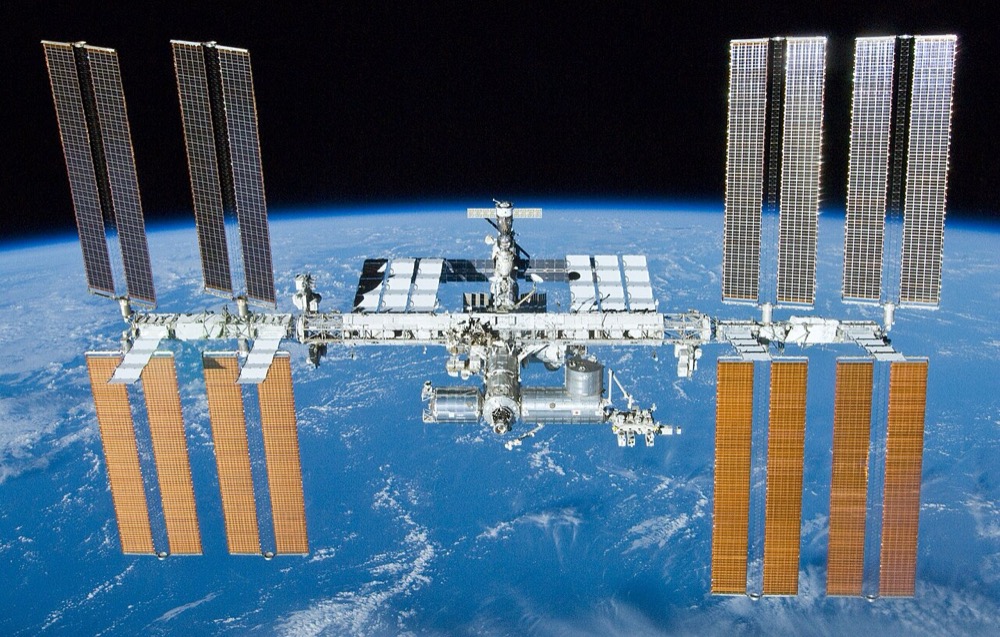
There is no gravity at that altitude
The station is outside Earth's gravitational field
The air pressure is zero
They are in continuous free fall around Earth
Gravity at 400 km is still about 90% of the surface value. Astronauts and the station fall together while moving sideways fast enough to keep missing Earth.
Which statement about the Space Shuttle is correct?
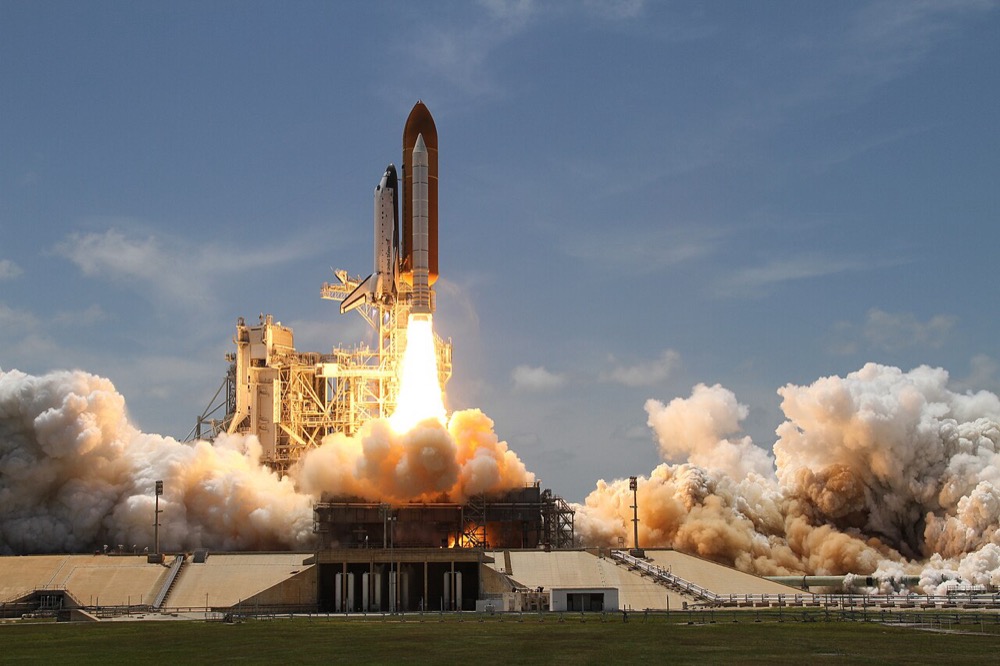
It was fully reusable with no expendable parts
It was partly reusable and flew 135 missions between 1981 and 2011
It took astronauts to the Moon
It was retired after the Challenger accident
The external tank was discarded each flight, and the program continued after Challenger (1986) until 2011.
What is the dot in the beam of light in this 1990 image?
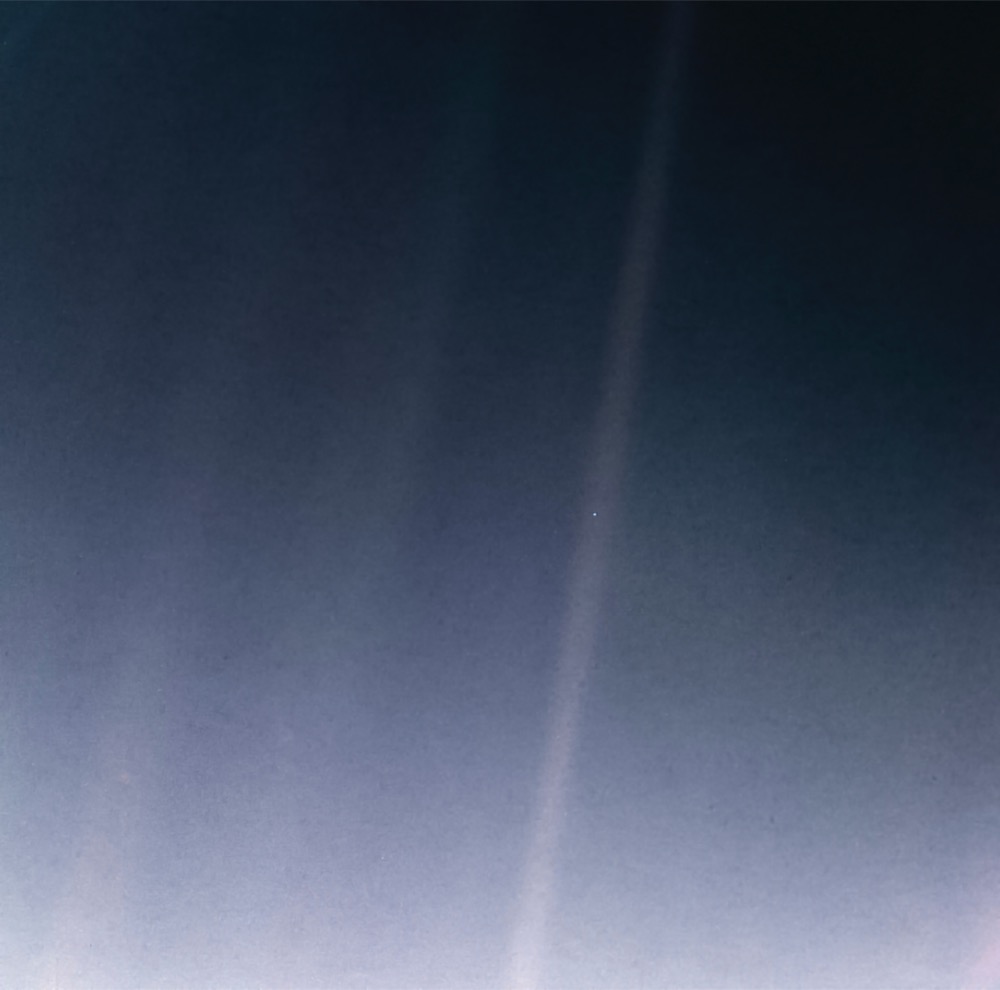
A camera defect
The Earth, photographed by Voyager 1 from about 6 billion km away
Neptune
A star seen through a dust cloud
The "Pale Blue Dot" was taken on 14 February 1990. Earth occupies less than a pixel.
Which was the first powered, controlled flight on another planet?
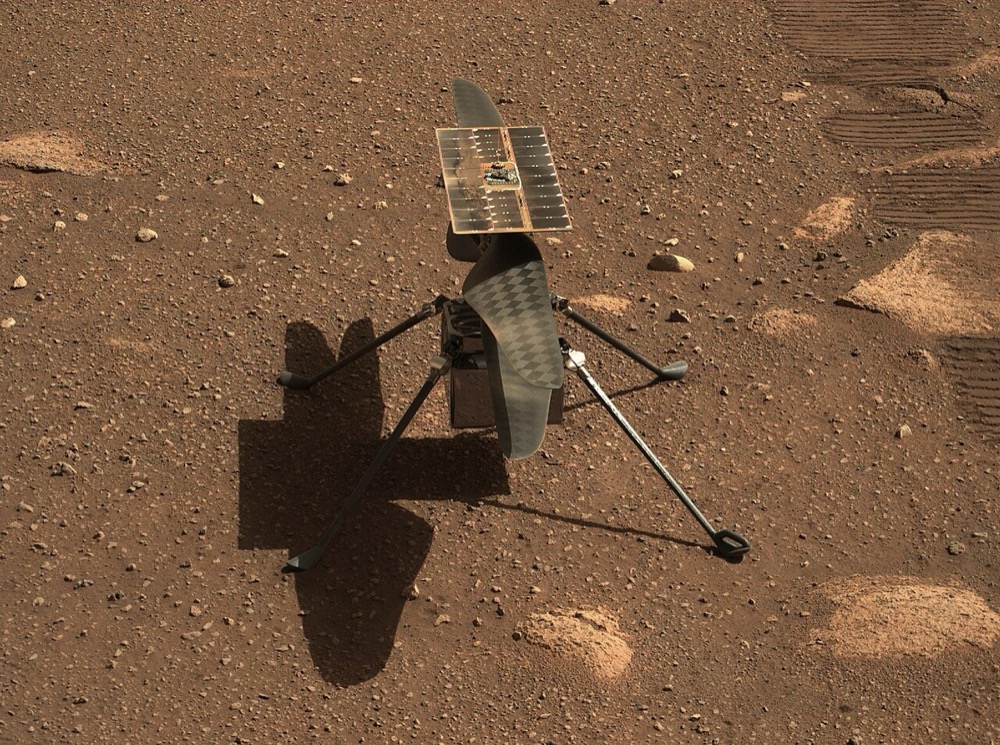
A Venera balloon on Venus
Voyager 2's flyby of Neptune
Curiosity's sky-crane hover
Ingenuity's flight on Mars (2021)
Ingenuity flew on 19 April 2021 in Mars's very thin atmosphere. Curiosity's sky crane was a landing system, not a flight vehicle.
What was the main reason Hubble's early images were blurry?
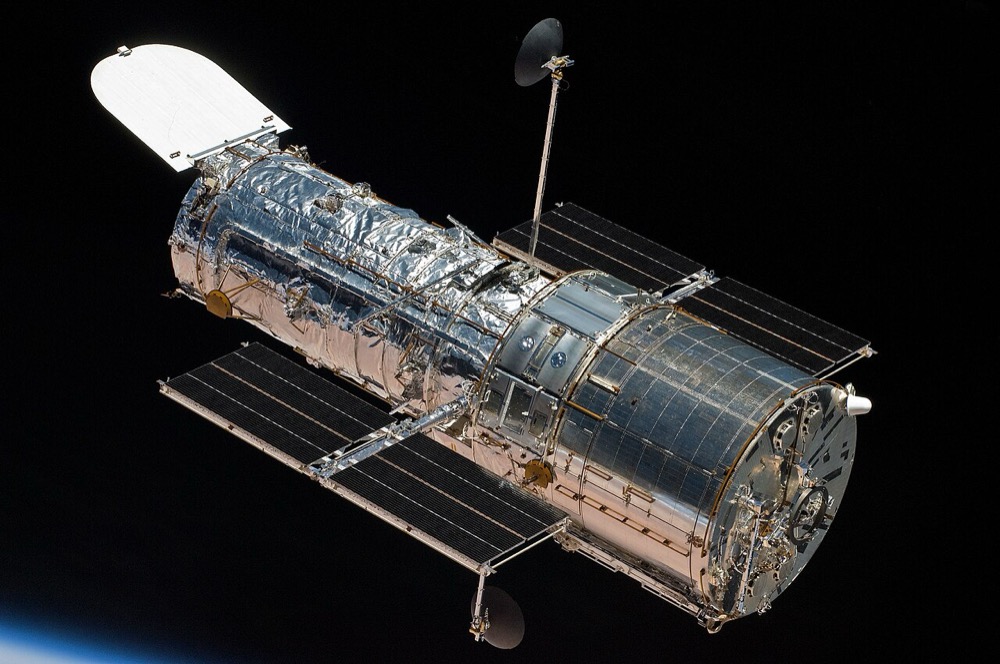
A camera cooling failure
A flaw in the shape of its primary mirror (spherical aberration)
A broken solar panel
Earth's atmosphere
Servicing Mission 1 (1993) installed corrective optics. Atmospheric blur is why telescopes go to space, but Hubble is above the atmosphere.
Why does JWST use a gold-coated beryllium mirror and a large sunshield?
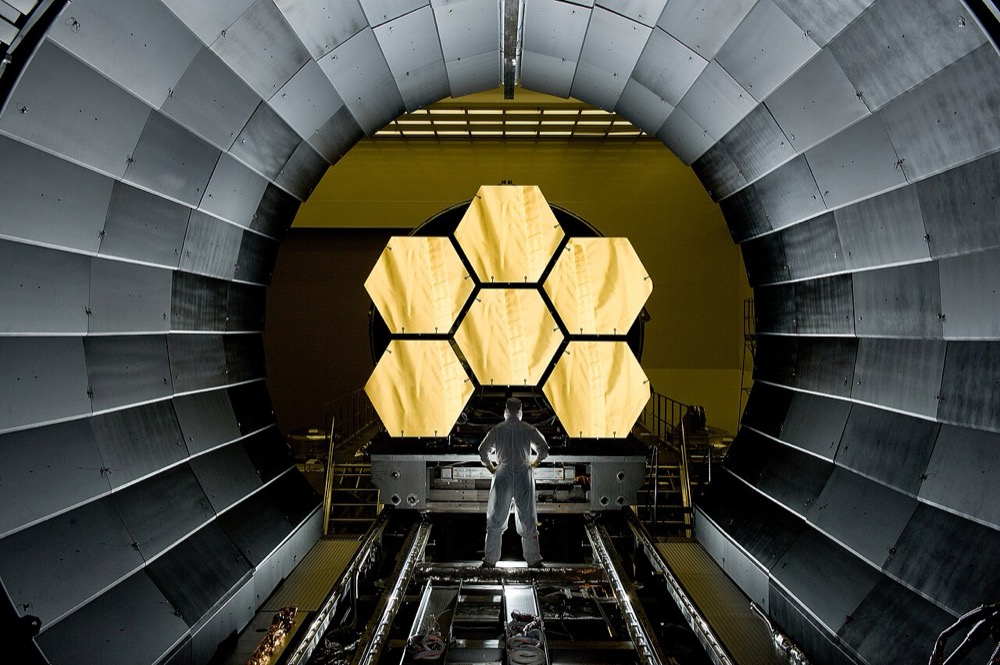
It observes infrared light and must stay very cold
Gold makes the mirror lighter
It looks at the Sun
It observes X-rays and needs shielding
Infrared detectors need to be below about 50 K or their own heat swamps faint signals. Gold reflects infrared very efficiently.
A rocket has an exhaust speed of 4 km/s and a mass ratio of 5. About what is its delta-v?
0.8 km/s
20 km/s
4 km/s
6.4 km/s
km/s. Multiplying exhaust speed by the mass ratio (20) ignores the logarithm.
Where is a geostationary satellite located?
35,786 km above the equator
1,000 km above the equator
400 km above the poles
20,200 km in a polar orbit
At that altitude the orbital period equals Earth's rotation period, so it appears fixed over one point. 20,200 km is GPS.
Earth and Mars are best aligned for efficient Mars missions about how often?
Every 12 months
Every 26 months
Every 15 years
Every 7 years
The synodic period of Earth and Mars is about 780 days (26 months).
The transit method finds exoplanets by detecting
a Doppler shift in the star's light
a periodic dip in a star's brightness
radio signals from the planet
images of the planet's surface
A planet crossing the star's disk blocks a small fraction of light, about (Rp/Rs)^2. Doppler shifts belong to the radial-velocity method. Kepler and TESS use transits.
What did the Curiosity rover find about Gale Crater?
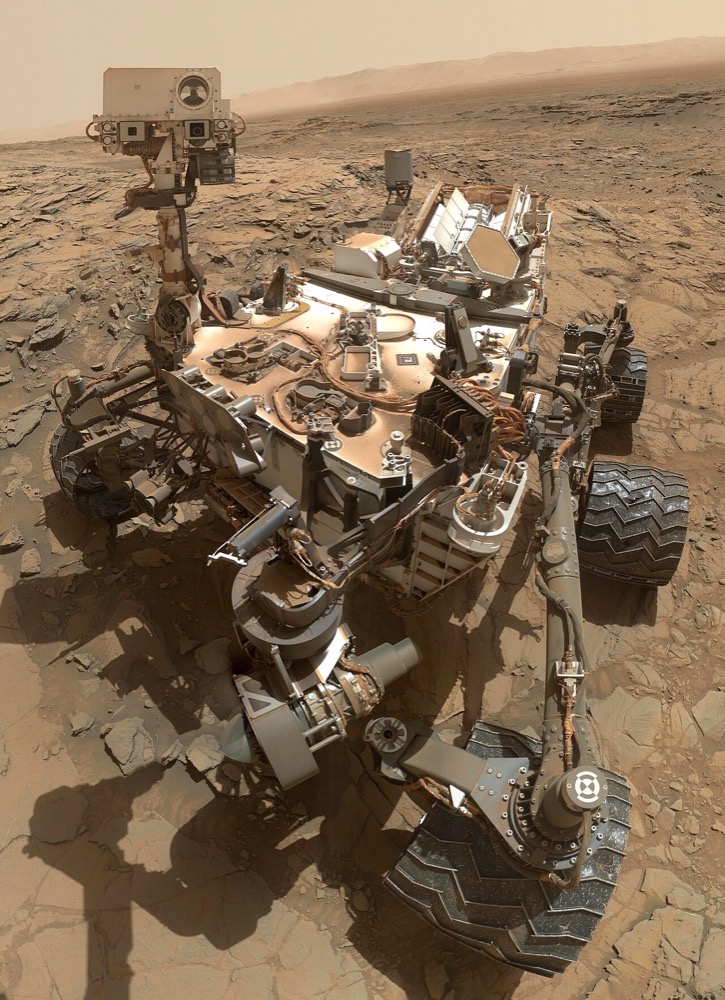
Evidence of an ancient lake with chemistry suitable for microbial life
A thick present-day ocean
Active volcanoes
Living microbes in the soil
It found clay minerals and organic molecules in lakebed mudstone, showing past habitable conditions, but no evidence of life itself.
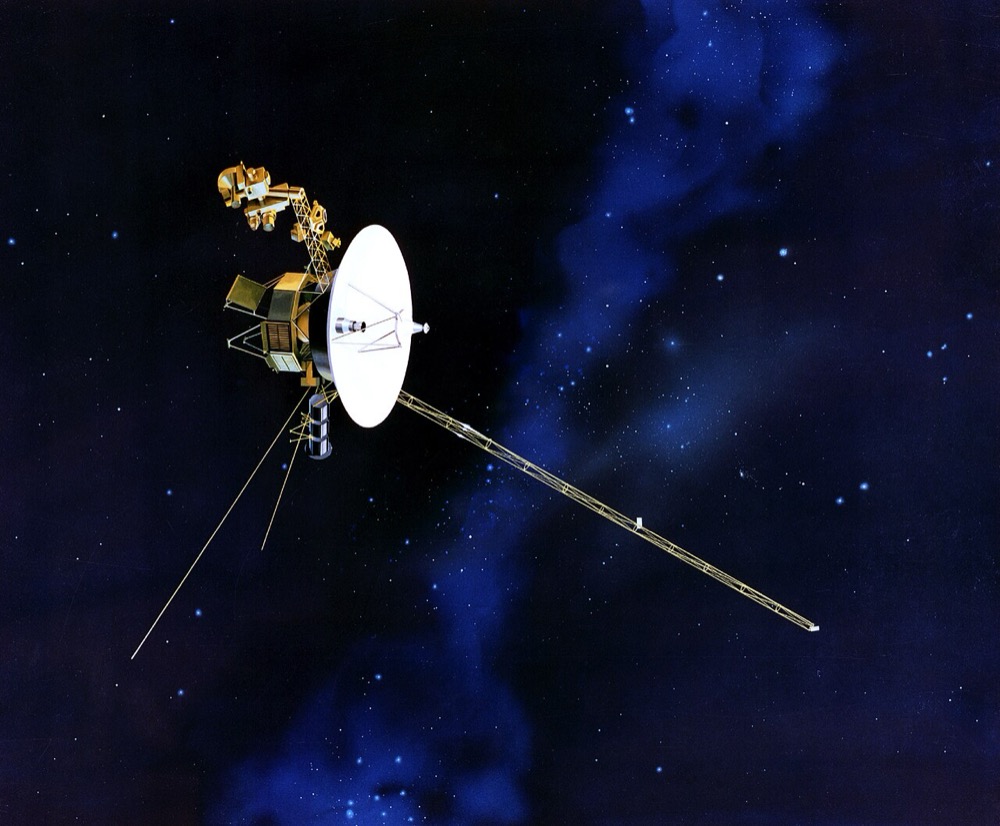
Which two spacecraft entered interstellar space?
Cassini and Galileo
Pioneer 10 and Pioneer 11
New Horizons and Juno
Voyager 1 (2012) and Voyager 2 (2018)
They crossed the heliopause. The Pioneers also left the planets but stopped transmitting before reaching it.
The Space Race ended when Apollo 11 landed on the Moon in 1969.
True
False
The competition continued into the 1970s, with space stations (Salyut, Skylab) and the 1975 Apollo-Soyuz mission, which is often taken as its end.
