Quiz · Medium
Twenty-one questions on benzodiazepines, antidepressants, lithium, antipsychotics, antiseizure drugs, opioids and Parkinson's disease drugs.
Benzodiazepines act by which mechanism?
Blocking dopamine D2 receptors
Increasing the frequency of GABA-A chloride channel opening
Inhibiting acetylcholinesterase
Blocking serotonin reuptake
Benzodiazepines are positive allosteric modulators of GABA-A and increase the frequency of Cl- channel opening. SSRIs block serotonin reuptake, antipsychotics block D2 and donepezil inhibits acetylcholinesterase.
Which drug reverses benzodiazepine overdose?
Flumazenil
Atropine
Naloxone
Physostigmine
Flumazenil is a competitive antagonist at the benzodiazepine site. Naloxone is for opioids; physostigmine is for anticholinergic toxicity; atropine treats bradycardia or cholinergic poisoning. Flumazenil can precipitate seizures in dependent patients.
A patient on an SSRI says they feel no better after 10 days and wants to stop. What should the nurse explain?
The drug is ineffective and should be changed immediately
Stop at once to avoid dependence
The dose should be doubled
Full effect usually takes 4 to 6 weeks, so continue and report worsening mood
SSRIs take several weeks for full benefit. Stopping abruptly can cause discontinuation symptoms; increasing the dose or changing the drug is the prescriber's decision, and worsening mood or suicidal thoughts must be reported.
Which food should a patient taking phenelzine (an MAOI) avoid?
Fresh fruit
Plain yogurt
Aged cheese
White rice
Tyramine in aged cheese, cured meats, tap beer and soy sauce can precipitate a hypertensive crisis in patients taking MAOIs. Fresh fruit, rice and fresh dairy are low in tyramine.
Which finding indicates lithium toxicity?
Mild thirst
Coarse tremor, vomiting and ataxia
Weight gain of 1 kg
Fine hand tremor
A coarse tremor with GI upset, ataxia and confusion indicates toxicity (usually above 1.5 mEq/L). A fine tremor, mild thirst and some weight gain are common side effects.
A patient on lithium is starting a low-sodium diet. What is the concern?
Lithium levels may rise
Lithium will lose its mood-stabilizing effect
Lithium will become ineffective
The patient will develop hyperkalemia
Sodium depletion increases proximal tubular reabsorption of lithium, raising levels toward toxicity. Maintain a consistent intake of sodium and fluids.
Which side effect is typical of haloperidol?
Weight gain and diabetes
Seizures at low dose
Agranulocytosis
Extrapyramidal symptoms
High-potency typical antipsychotics strongly block D2 receptors in the nigrostriatal pathway, causing dystonia, akathisia and parkinsonism. Weight gain is more typical of olanzapine and clozapine; agranulocytosis is the clozapine concern.
A patient receiving an antipsychotic suddenly has fever, lead-pipe rigidity and confusion. Which condition is suspected?
Anaphylaxis
Serotonin syndrome
Neuroleptic malignant syndrome
Tardive dyskinesia
Fever with muscle rigidity, altered mental status and autonomic instability suggests NMS. Serotonin syndrome features clonus and hyperreflexia; tardive dyskinesia is a late-onset involuntary movement disorder with no fever.
Which pupil finding and respiratory pattern are classic in opioid overdose?
Dilated pupils with rapid breathing
Pinpoint pupils with slow, shallow breathing
Dilated pupils with slow breathing
Pinpoint pupils with rapid breathing
Opioids cause miosis and respiratory depression. Dilated pupils with agitation suggest anticholinergic, stimulant or withdrawal states.
Naloxone is given to a patient with an opioid overdose. Why must the nurse continue monitoring?
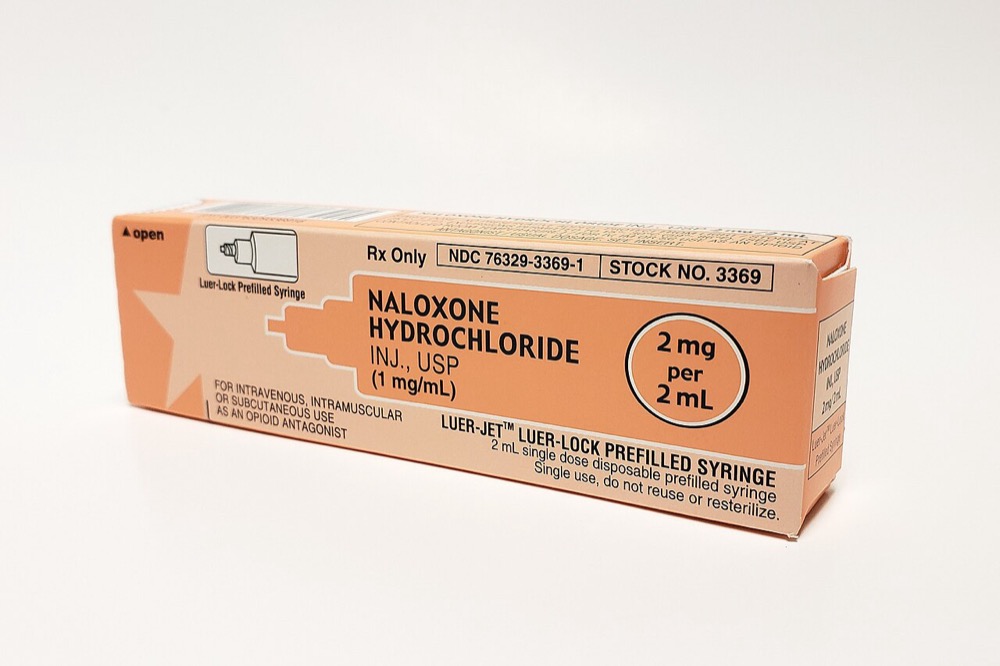
Naloxone's effect may wear off before the opioid's, so respiratory depression can return
The patient may become allergic to the opioid
Naloxone often causes hypertension
Naloxone causes bradycardia
Naloxone lasts about 30 to 90 minutes, which is often shorter than the opioid. Repeat doses or an infusion may be needed.
Image: Intropin (Mark Oniffrey), CC BY-SA 4.0, via Wikimedia Commons.
Which of these is an antiseizure drug that can cause gingival hyperplasia and nystagmus?
Gabapentin
Levetiracetam
Lorazepam
Phenytoin
Phenytoin causes gingival hyperplasia, hirsutism, nystagmus and ataxia. Levetiracetam mainly causes mood changes; gabapentin causes sedation and edema.
Which drug combination is most appropriate for Parkinson's disease?
Lithium with valproate
Haloperidol with benztropine
Levodopa with carbidopa
Donepezil with memantine
Carbidopa inhibits peripheral dopa decarboxylase so more levodopa reaches the brain. Haloperidol worsens Parkinson's; donepezil and memantine are for Alzheimer's; lithium and valproate are mood stabilizers.
In this synapse diagram, SSRIs act on which numbered structure?
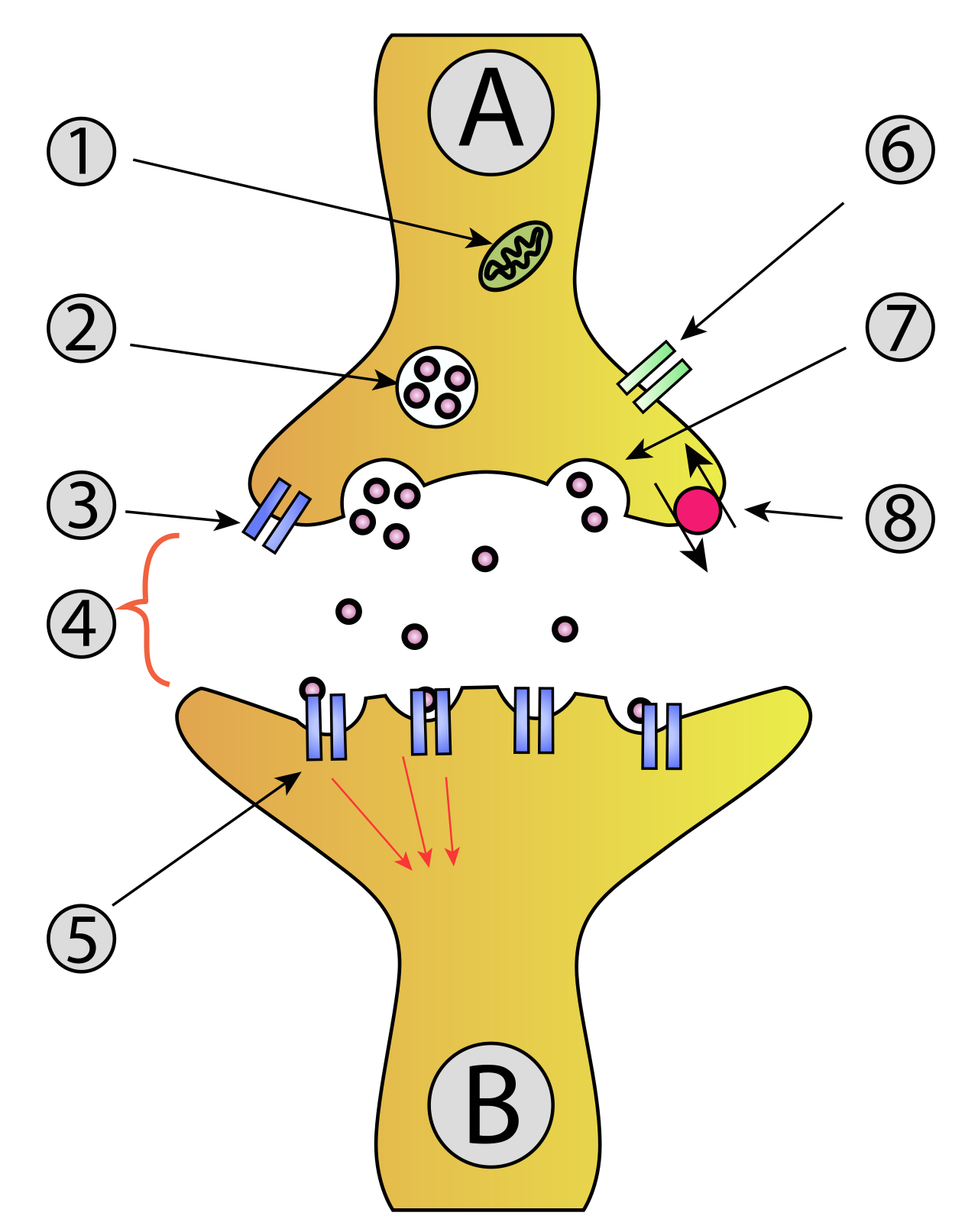
3
8
6
2
SSRIs block the serotonin reuptake transporter (number 8). Number 2 is a vesicle containing neurotransmitter, 3 is an autoreceptor, and 6 is a voltage-gated calcium channel.
Image: Mouagip (vectorization) and Dake, CC BY-SA 3.0, via Wikimedia Commons.
Which opioid adverse effect shows little to no tolerance with long-term use?
Constipation
Sedation
Respiratory depression
Euphoria
Tolerance develops to analgesia, euphoria, sedation, nausea and respiratory depression, but not to miosis or constipation, so a bowel regimen is needed throughout therapy.
Which drug is first-line IV therapy for a prolonged tonic-clonic seizure (status epilepticus)?
Carbamazepine
Phenytoin as the only initial agent
Gabapentin
Lorazepam
A benzodiazepine (lorazepam IV) is first line; fosphenytoin, valproate or levetiracetam are added if seizures continue. Gabapentin and carbamazepine have no IV role.
Which drug blocks calcium release from the sarcoplasmic reticulum and treats malignant hyperthermia?
Baclofen
Succinylcholine
Dantrolene
Neostigmine
Dantrolene blocks the ryanodine receptor. Succinylcholine is a trigger of malignant hyperthermia; neostigmine reverses neuromuscular blockade; baclofen is a GABA-B agonist.
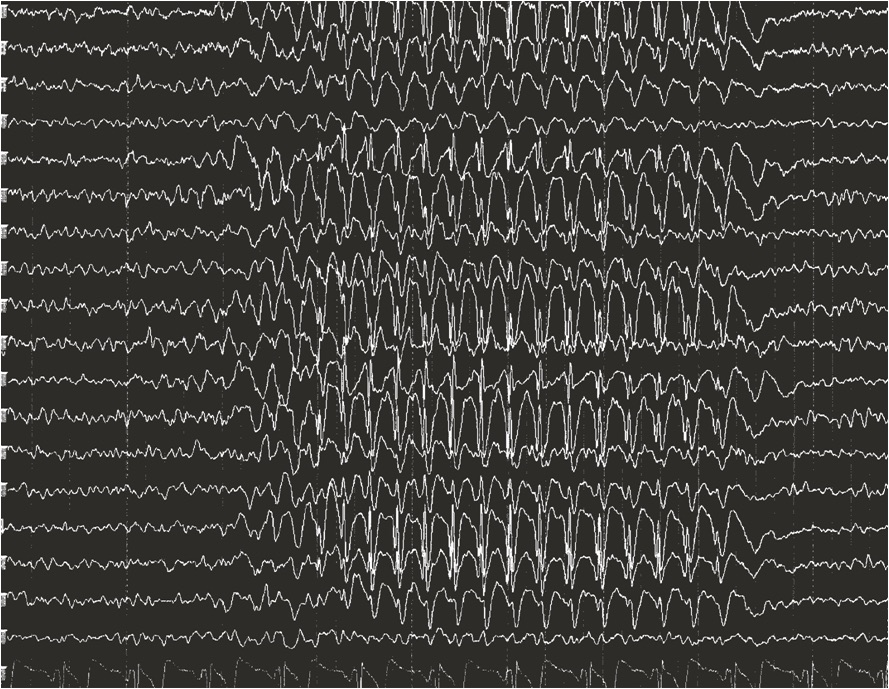
This EEG shows 3 Hz spike-and-wave discharges in a child with brief staring spells. Which drug is first line?
Phenytoin
Ethosuximide
Carbamazepine
Gabapentin
Ethosuximide blocks T-type calcium channels in thalamic neurons and is first line for pure absence seizures. Carbamazepine and phenytoin can worsen absence seizures.
Image: Bromfield EB et al., CC BY-SA 4.0, via NCBI Bookshelf.
Which statement about benzodiazepine use in older adults is true?
They increase the risk of falls and confusion
They improve balance
They have no active metabolites in all cases
They are first-line for chronic insomnia
Benzodiazepines increase sedation, falls, fractures and delirium in older adults (Beers criteria). Lorazepam, oxazepam and temazepam are less likely to accumulate but are still used cautiously.
This plant is the natural source of which pair of analgesics?

Tramadol and meperidine
Fentanyl and methadone
Ibuprofen and naproxen
Morphine and codeine
The opium poppy (Papaver somniferum) latex contains morphine and codeine. Fentanyl, methadone, meperidine and tramadol are synthetic.
Image: Ermell, CC BY-SA 4.0, via Wikimedia Commons.
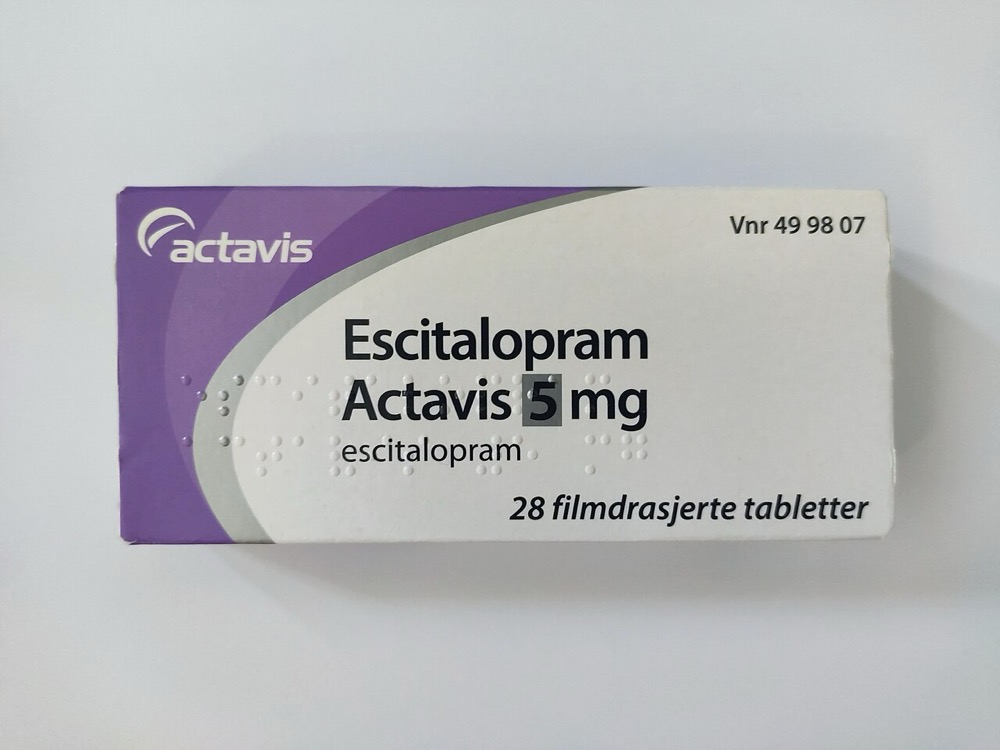
Escitalopram carries a boxed warning for which risk in people younger than 25 years?
Serotonin deficiency
Hepatic failure
Suicidal thinking and behavior
Agranulocytosis
All antidepressants carry a boxed warning for increased suicidality in children, adolescents and young adults, especially early in treatment.
Image: Avopasia, CC BY-SA 4.0, via Wikimedia Commons.
