Quiz · Medium
Identify biomes from photos, then species interactions, niches, keystone species and succession.
A harmless fly resembling a wasp is an example of
Batesian mimicry
Camouflage
Aposematism in the fly
Mullerian mimicry
Batesian mimics are harmless species mimicking harmful ones.
A forest is destroyed by a fire, leaving soil intact. Regrowth is
Primary succession
Ecotone
Secondary succession
Climax community
Primary succession begins on bare rock with no soil.
Which species would first colonize bare rock after a lava flow?
Shrubs
Lichens
Oak trees
Grasses
Pioneer species such as lichens help build soil.
Sea star Pisaster is removed from an intertidal zone and mussels take over, reducing diversity. Pisaster is a
Dominant producer
Keystone species
Invasive species
Pioneer species
Its predation on mussels maintains space for other species.
Clownfish and sea anemones are an example of
Competition
Parasitism
Commensalism
Mutualism
Both benefit: protection and food for the fish; cleaning and defense for the anemone.
Which biome is shown in the photo?
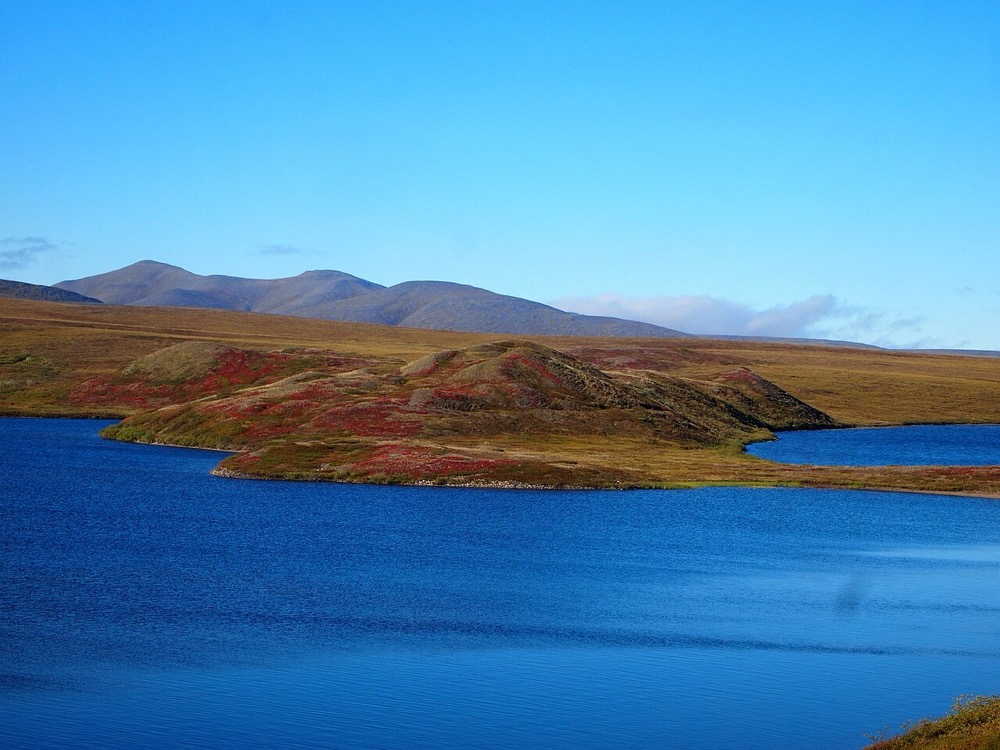
Tundra
Desert
Taiga
Temperate grassland
Treeless, low vegetation and permafrost indicate tundra; taiga has conifer trees. Image: NPS Photo, public domain, via Wikimedia Commons.
Which biome is shown in the photo?
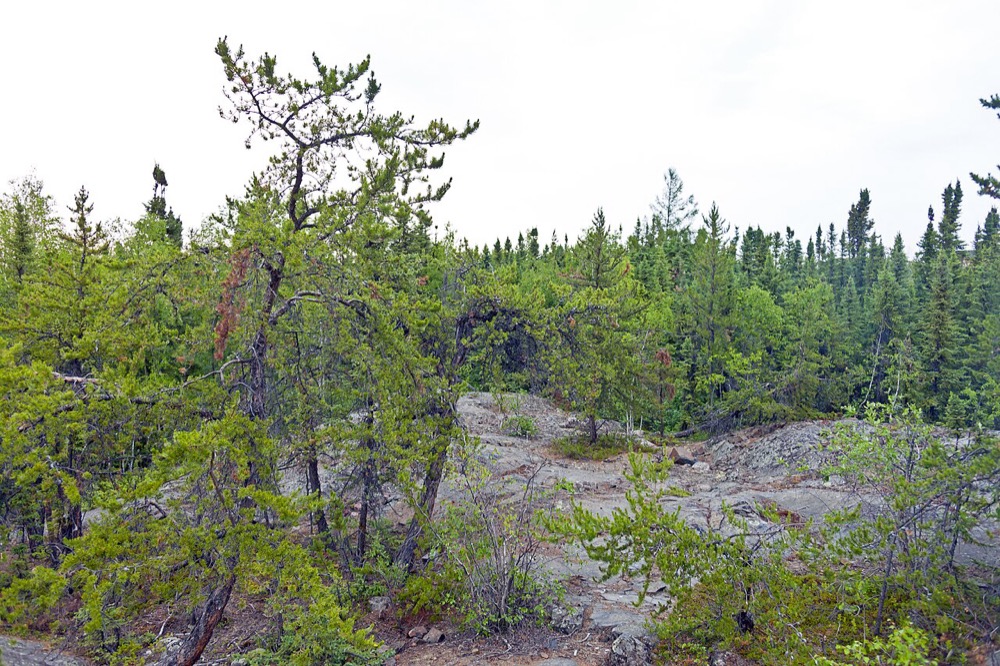
Taiga (boreal forest)
Tundra
Temperate deciduous forest
Tropical rainforest
Dominated by cold-adapted conifers. Image: Daniel Case, CC BY-SA 3.0, via Wikimedia Commons.
Which biome is shown in the photo?
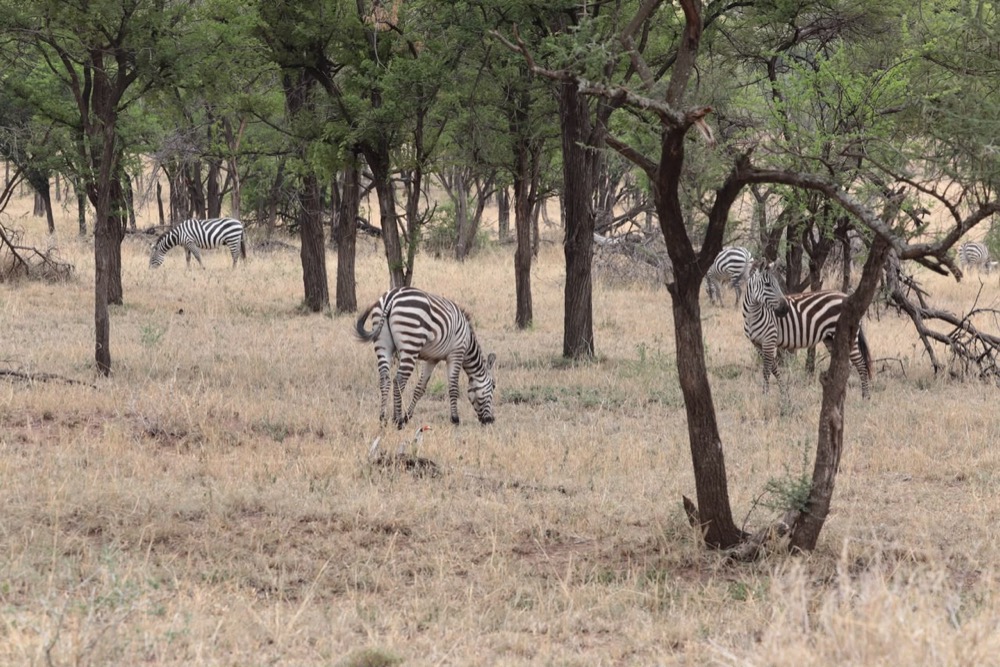
Savanna
Chaparral
Temperate grassland
Taiga
Grassland with scattered trees and large grazers in a warm climate. Image: Agness Abubakar Saidi, CC0, via Wikimedia Commons.
Which biome is shown in the photo?
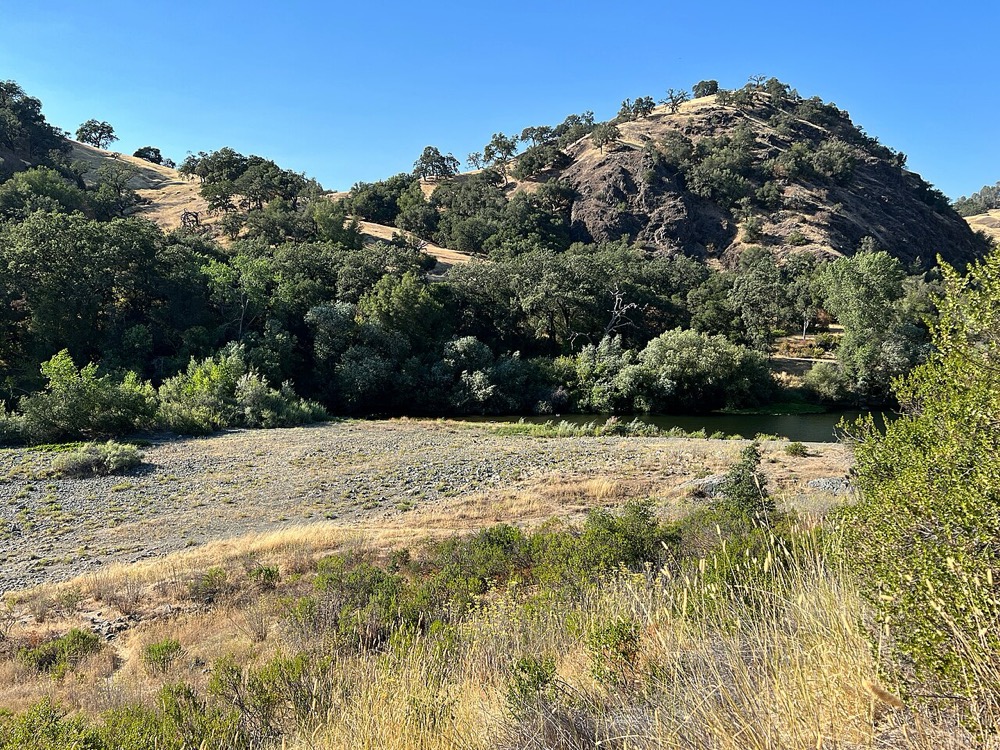
Chaparral
Taiga
Tropical rainforest
Tundra
Dense dry shrubland of a Mediterranean climate. Image: Z3lvs, CC0, via Wikimedia Commons.
Which biome is shown in the photo?
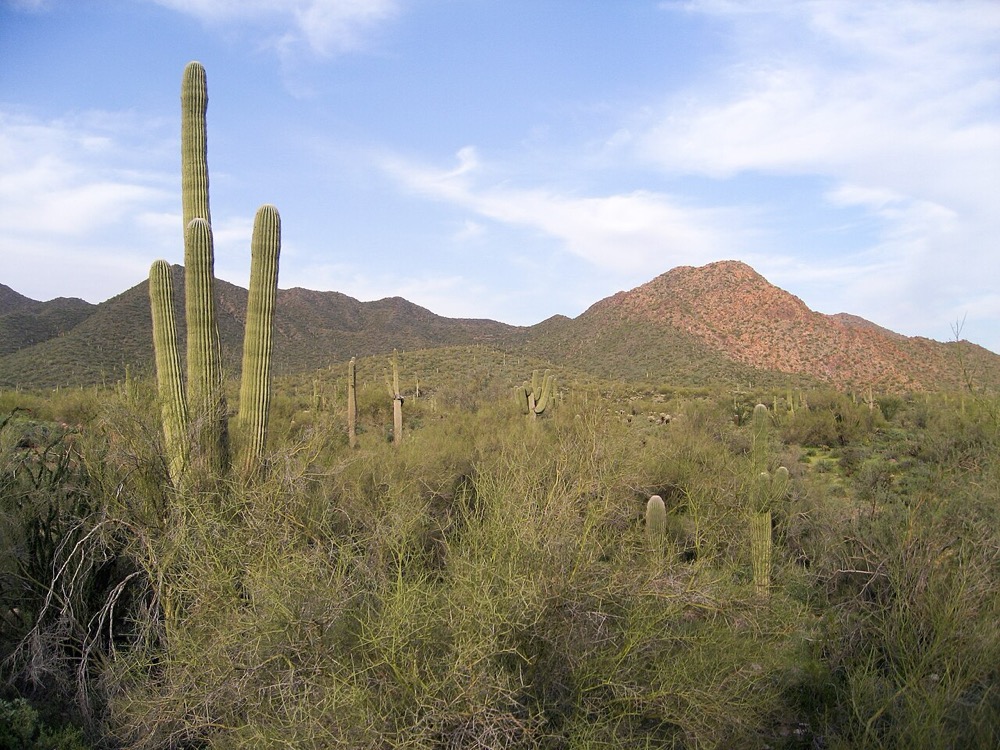
Desert
Temperate grassland
Savanna
Chaparral
Sparse vegetation with succulents such as saguaro cactus. Image: Nicholas Hartmann, CC BY-SA 4.0, via Wikimedia Commons.
Which biome is shown in the photo?
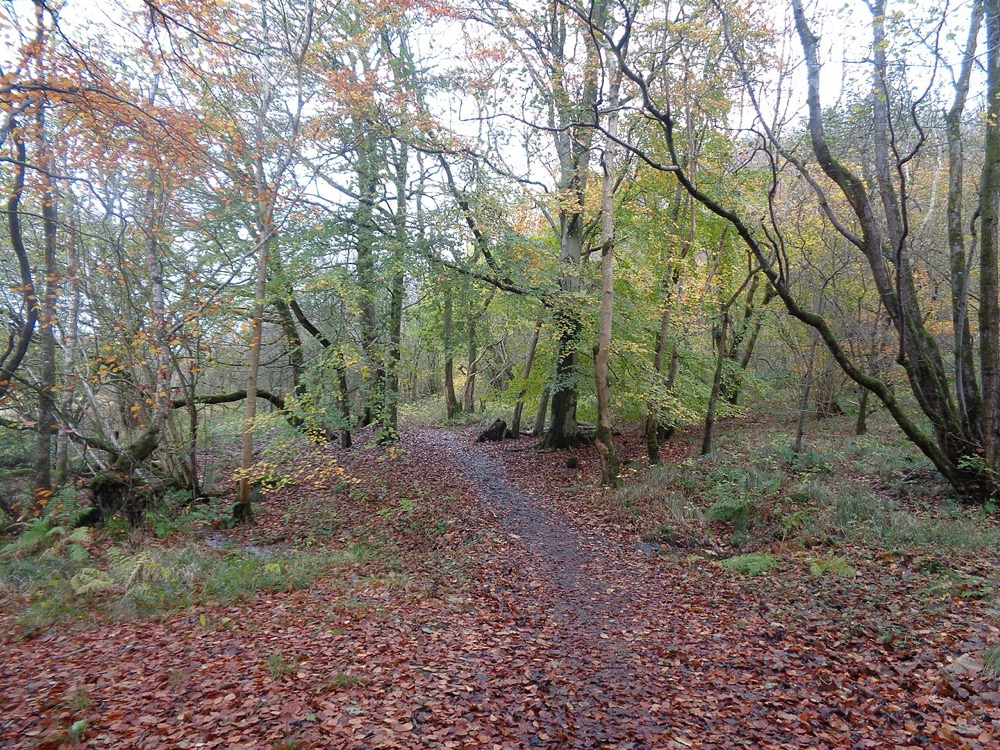
Temperate deciduous forest
Savanna
Taiga
Chaparral
Broad-leaved trees that shed leaves; four seasons. Image: Rosser1954, CC BY 4.0, via Wikimedia Commons.
Which biome is shown in the photo?
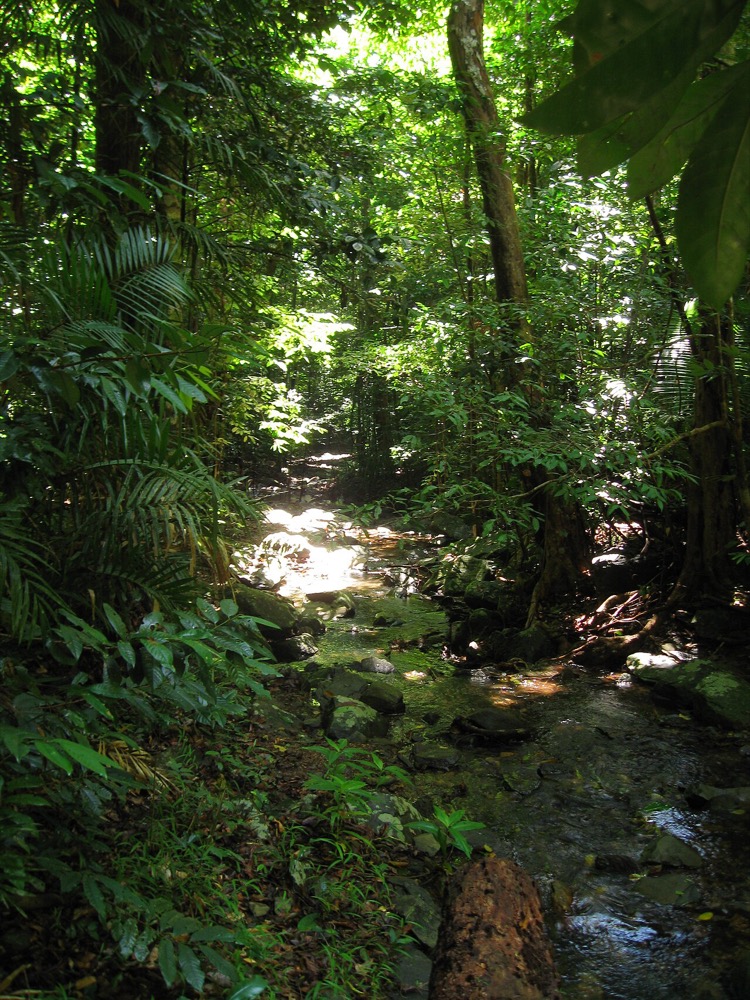
Tropical rainforest
Taiga
Temperate deciduous forest
Savanna
Dense evergreen vegetation and high humidity. Image: Killerscene, CC0, via Wikimedia Commons.
What are the small structures on these clover roots?
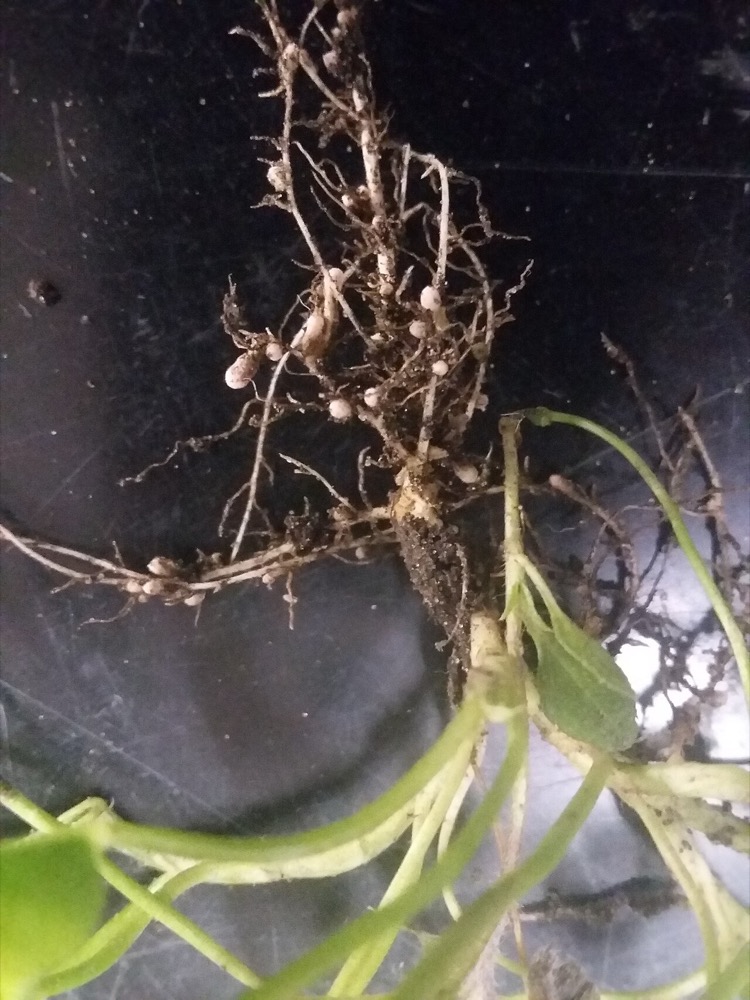
Nodules containing nitrogen-fixing bacteria
Insect eggs
Starch storage organs
Fungal fruiting bodies
Rhizobium bacteria live in nodules in a mutualism with legumes. Image: Bwiltz, CC BY-SA 4.0, via Wikimedia Commons.
Two species of Paramecium compete for the same food in one tube and one disappears. This demonstrates
Resource partitioning
Mutualism
Succession
Competitive exclusion
Gause showed that two species with the same niche cannot coexist indefinitely.
Warblers feed in different parts of the same tree. This is
Competitive exclusion
Commensalism
Predation
Resource partitioning
Niche differences reduce competition and allow coexistence.
Barnacles growing on a whale benefit while the whale is unaffected. This is
Parasitism
Mutualism
Predation
Commensalism
+/0 interaction.
Species diversity is highest at
No disturbance
Very frequent disturbance
Very severe disturbance
Intermediate levels of disturbance
At moderate disturbance neither dominant competitors nor only fast colonizers prevail.
DDT concentration is highest in which organism of a food chain?
Herbivores
Decomposers
The top predator
Producers
Persistent toxins accumulate (biomagnification) at higher trophic levels.
True or false: A species' fundamental niche is always larger than or equal to its realized niche.
True
False
Interactions such as competition restrict the species to its realized niche.
Nutrient-poor soil in tropical rainforests is mainly because
Nutrients are stored in living biomass and recycled rapidly
Little rainfall
Lack of decomposers
Cold temperatures
Rapid decomposition and uptake leave few nutrients in the soil.
