Quiz · Medium
Identify and interpret famous images of the Revolution and Napoleonic age: the Bastille, Marat, assignats, Austerlitz, Waterloo and the maps of 1812 and 1815.
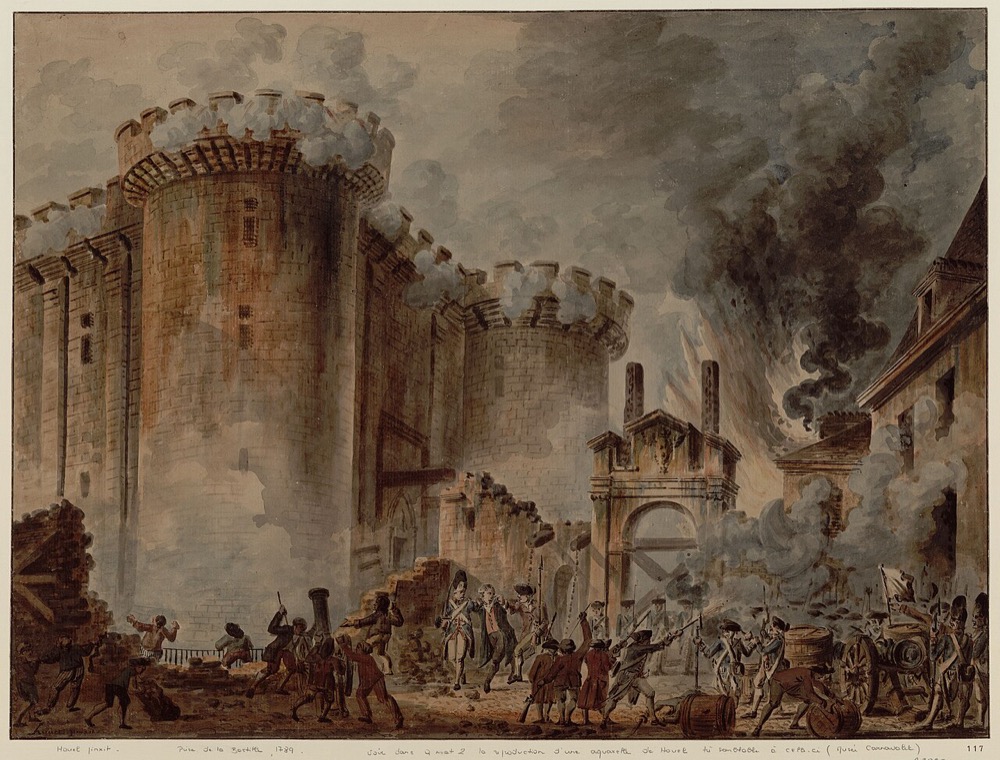
Which event is shown in this painting?
Flight to Varennes
Women's March on Versailles
Storming of the Bastille
Tennis Court Oath
This contemporary view by Jean-Pierre Houël shows the Bastille fortress under attack on 14 July 1789.
What does this caricature say about the Old Regime?
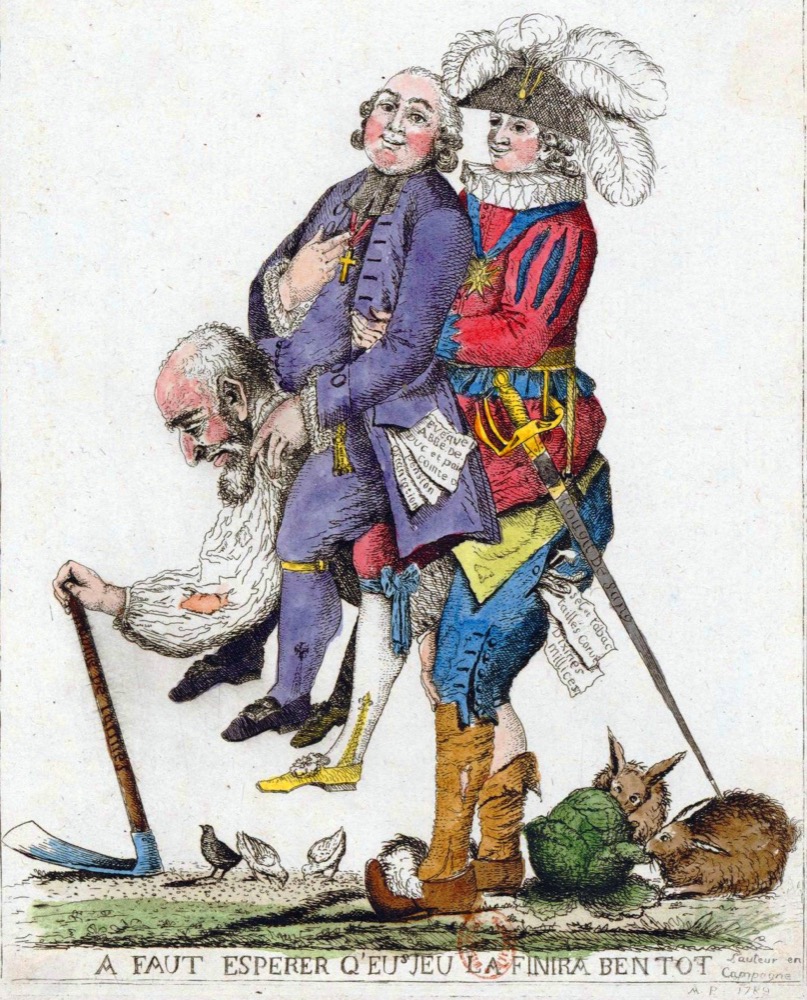
The clergy and nobility live off the labor of the Third Estate
The king is at war with the Church
Peasants rule France
Foreign powers are invading
The Third Estate is carrying a priest and a noble on his back: the privileged orders were exempt from most taxes, while commoners paid.
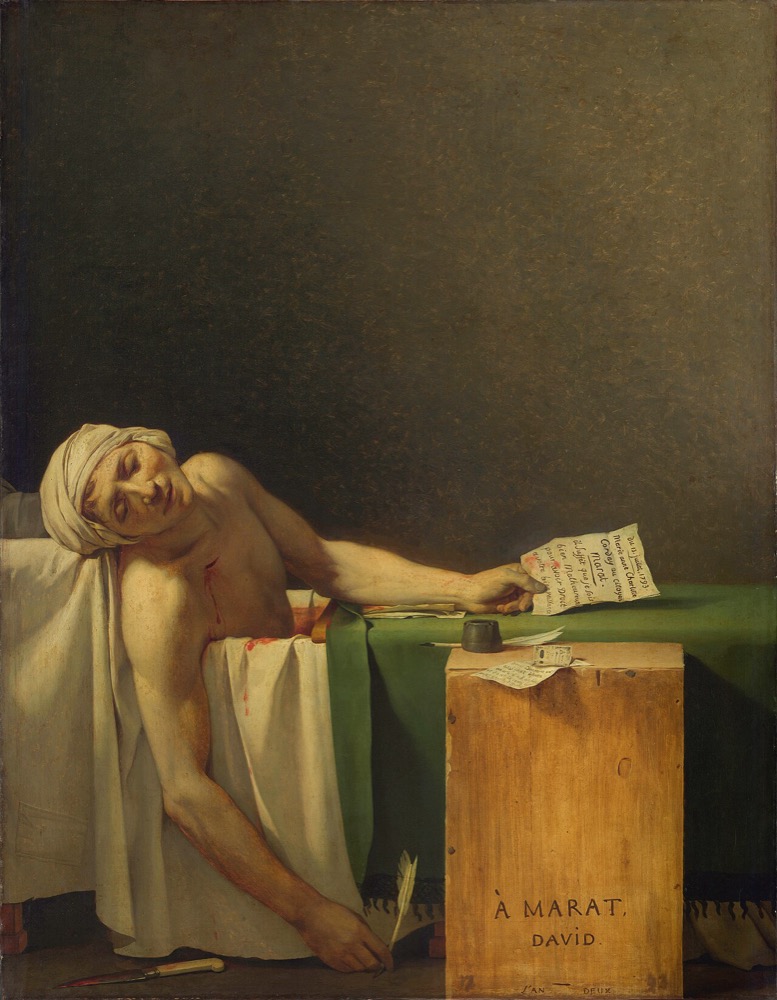
Who is the revolutionary shown killed in this painting?
Mirabeau
Danton
Robespierre
Marat
Jacques-Louis David's The Death of Marat (1793): the radical journalist was stabbed in his bath by Charlotte Corday.
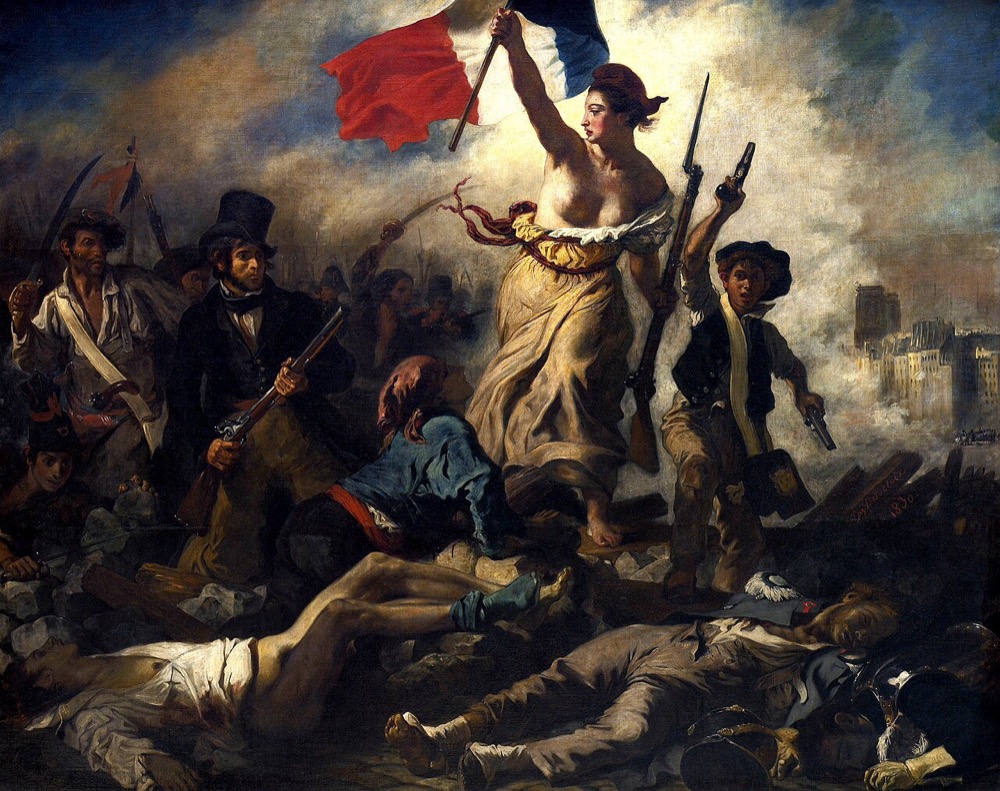
This painting by Delacroix, Liberty Leading the People, depicts:
The storming of the Bastille in 1789
The July Revolution of 1830
The Terror in 1793
The revolutions of 1848
It shows the July Revolution of 1830 against Charles X. The tricolor was revived then. Many people assume it shows 1789, which is the trap.
What is this banknote?
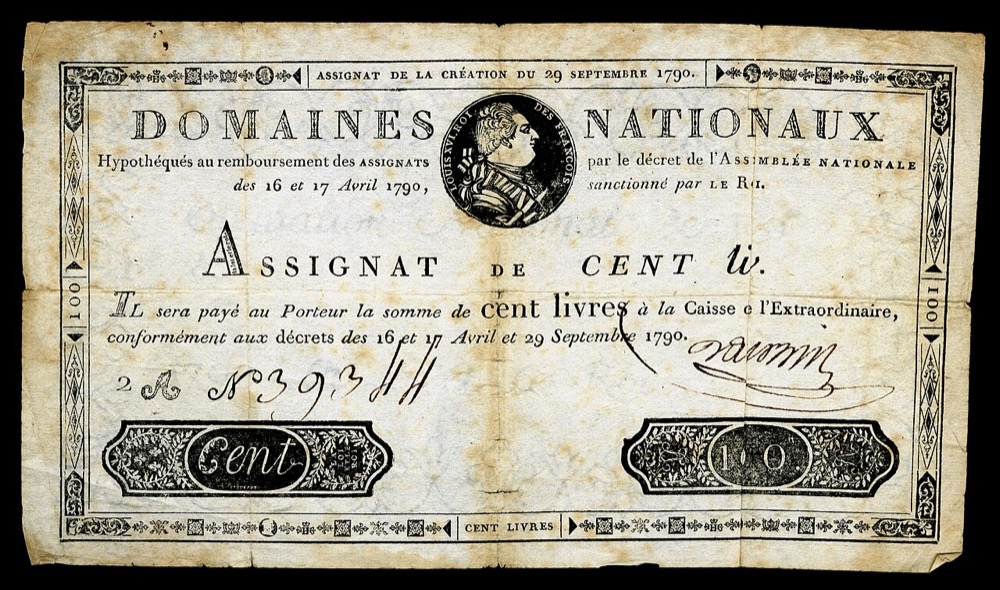
A louis d'or
An assignat
A franc germinal
A lettre de cachet
The assignat was revolutionary paper money backed by 'Domaines nationaux' (confiscated Church land). A lettre de cachet was a royal arrest order and the louis d'or a gold coin.
What did the sans-culotte in this portrait stand for?
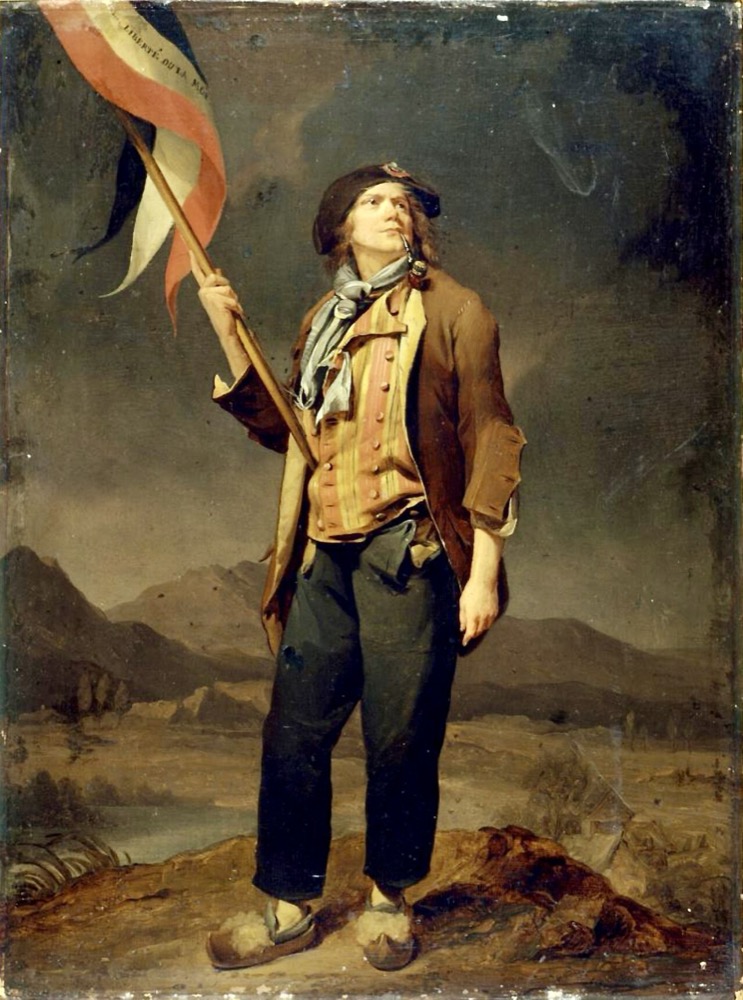
The wealthy bourgeoisie
Foreign mercenaries
The royal guard
Working-class republican radicals in long trousers
The name means 'without knee-breeches'. They were urban workers and artisans who supported price controls and the Terror.
Which event is shown here?
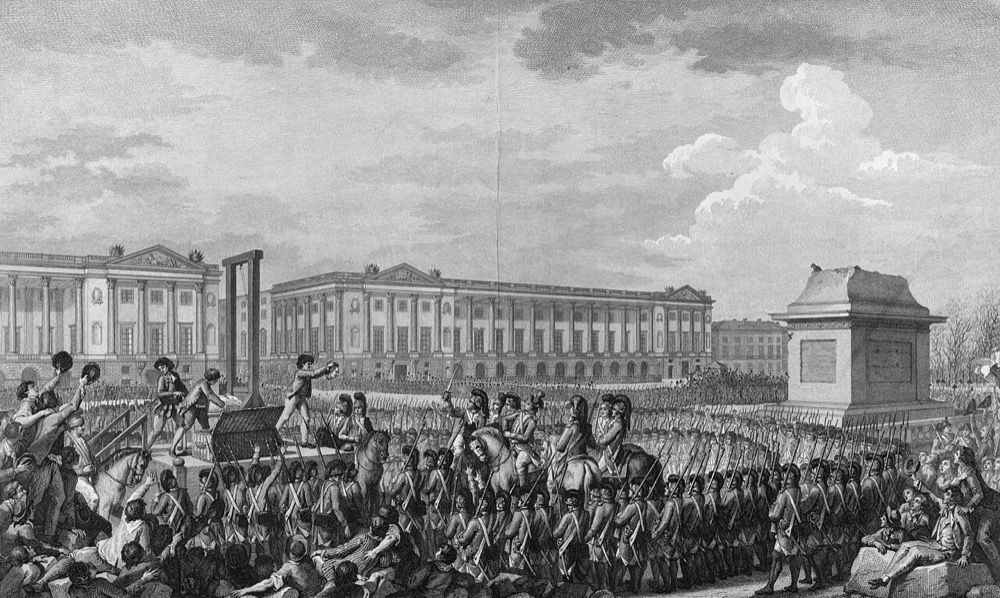
Execution of Louis XVI
Execution of Robespierre
Execution of Marie Antoinette
The September Massacres
A print of the execution of Louis XVI at the Place de la Revolution, 21 January 1793.
What does this print of 1789 show?
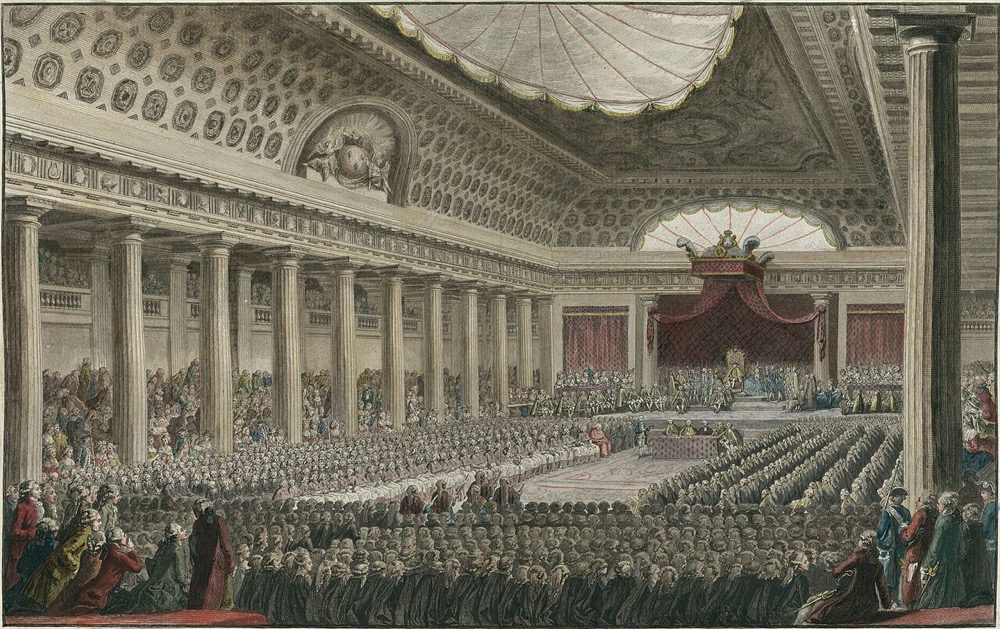
The royal family returning from Varennes
The Women's March on Versailles
The opening of the Estates-General
The Festival of the Supreme Being
The vast hall at Versailles with the three estates seated is the opening of the Estates-General on 5 May 1789.
Who is shown in this portrait of 1804?
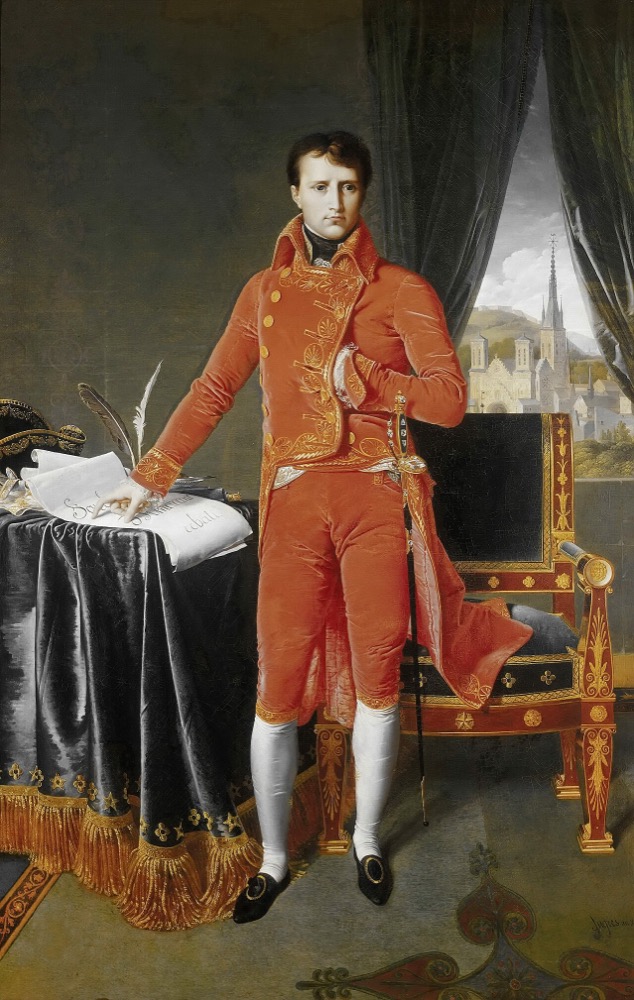
Robespierre
Louis XVIII
Talleyrand
Napoleon Bonaparte as First Consul
Ingres painted Napoleon as First Consul; he was crowned emperor later that year.
What is David's painting 'Napoleon Crossing the Alps' an example of?
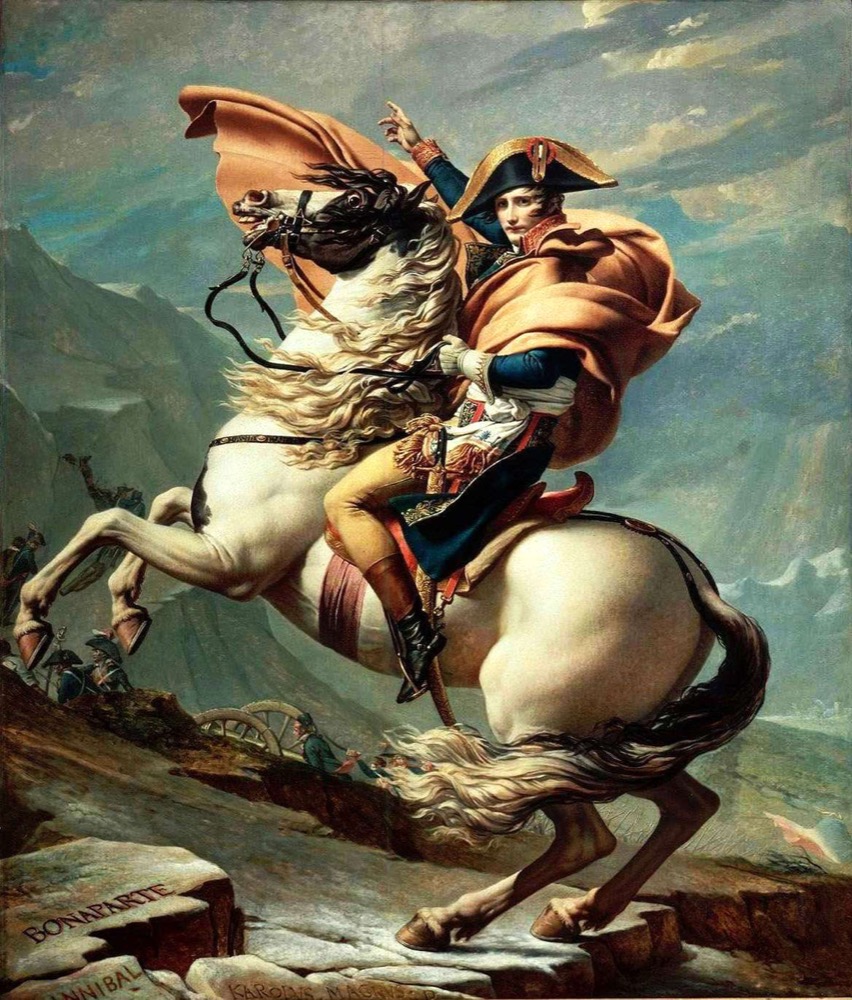
Accurate reporting
Political propaganda that glorified Napoleon
Anti-war protest
Royalist art
Napoleon crossed the pass in 1800 on a mule, not a rearing stallion. The painting shows him as a heroic leader and was copied for propaganda.
Which battle did this painting by François Gérard depict?
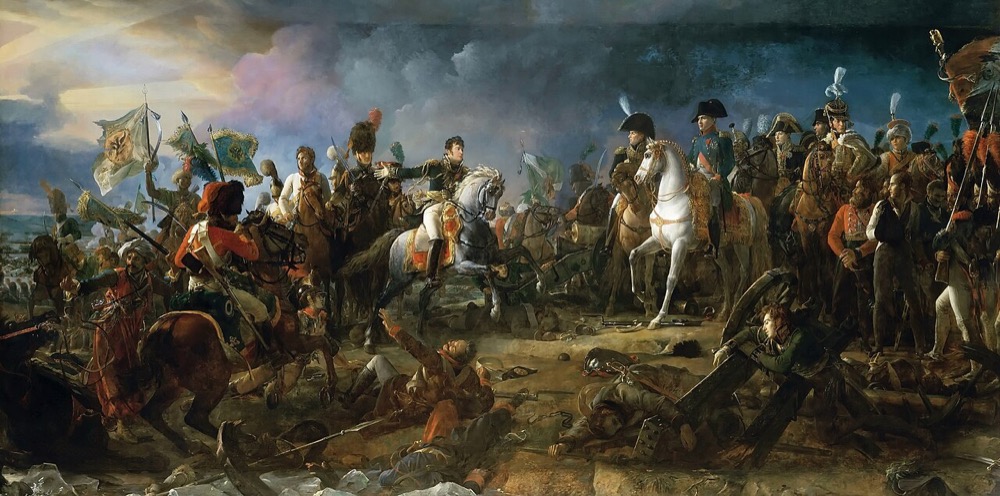
Waterloo
Trafalgar
Austerlitz
Borodino
Napoleon's victory over Russia and Austria on 2 December 1805.
What happened to the Grande Armée in the scene shown?
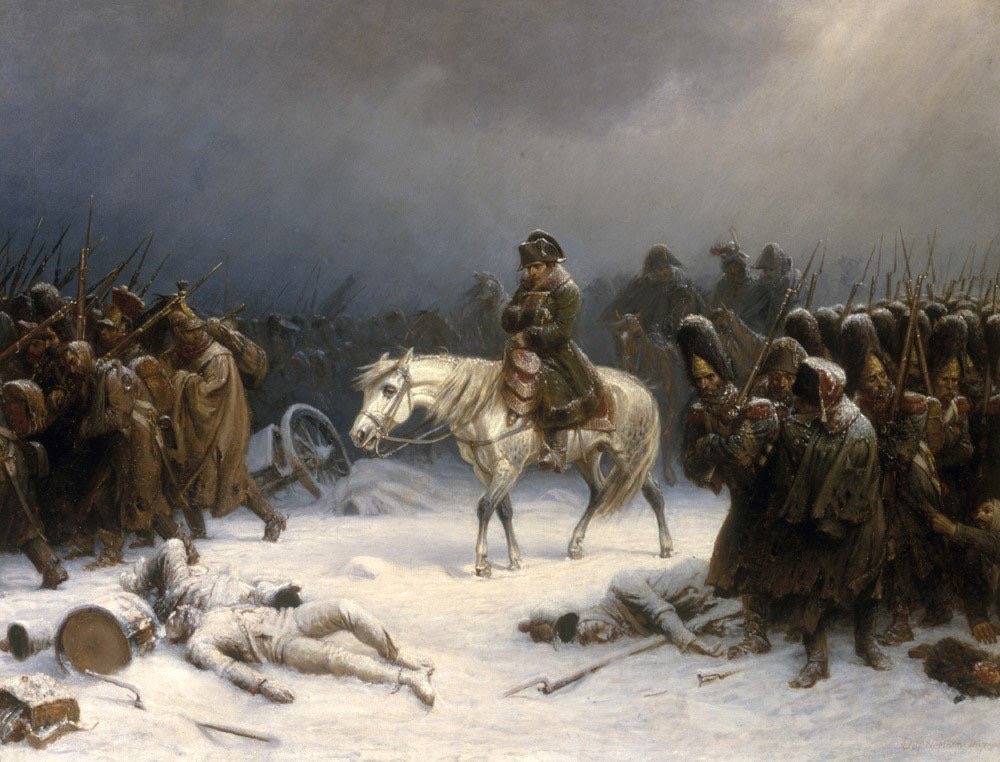
It suffered catastrophic losses retreating from Moscow in winter 1812
It defeated the Russian army
It captured Vienna
It surrendered at Waterloo
Northen's painting shows the retreat from Moscow. Hunger, cold and Russian attacks destroyed most of the army.
On the 1812 map, which country, shown in red, was NOT under French control?
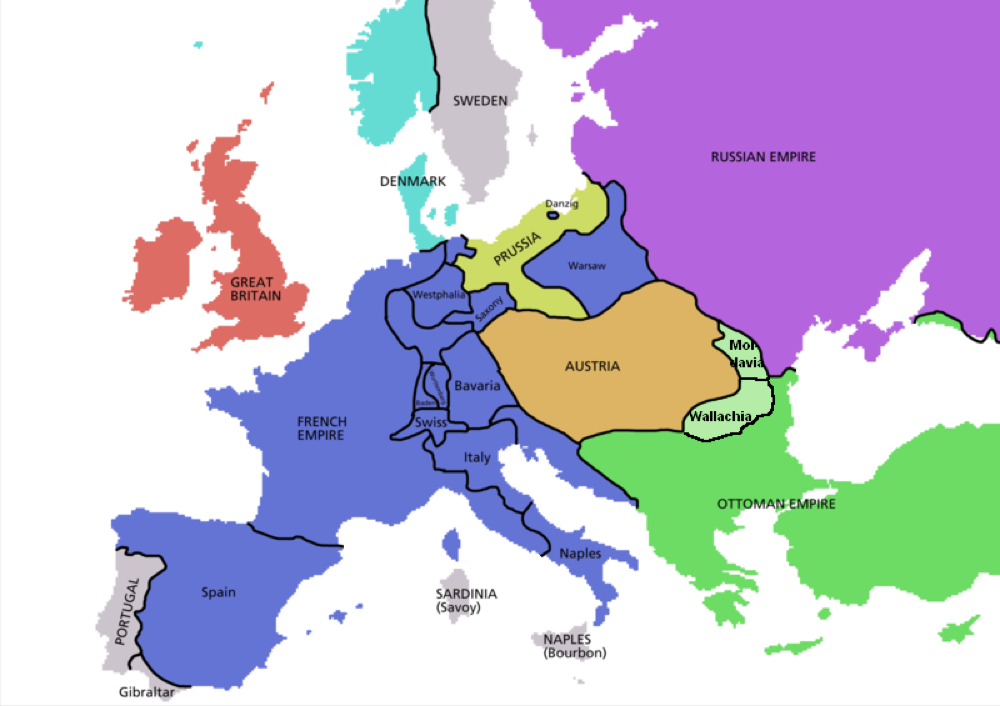
Italy
Spain
Great Britain
Warsaw
Britain, protected by its navy since Trafalgar, remained at war with Napoleon until the end. Spain, Italy and Warsaw are in blue.
What did the Congress of Vienna settlement (map) do?
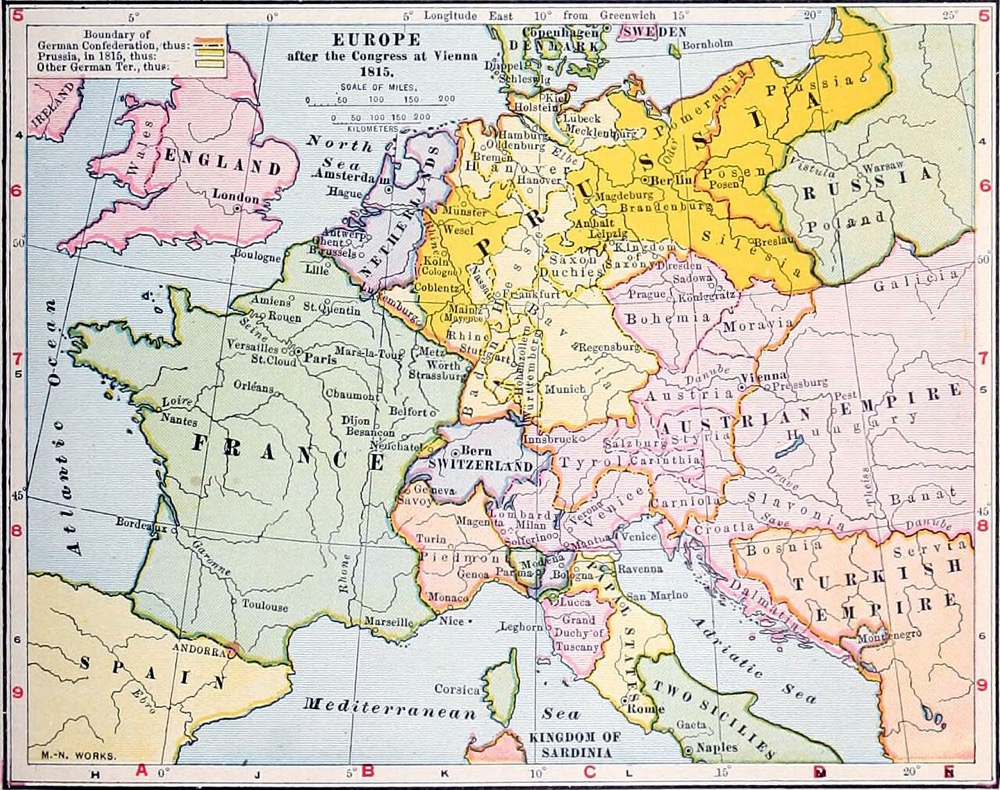
Restored a balance of power with France reduced and a German Confederation
Created a united Germany
Abolished Austria
Gave Poland independence
The settlement created the German Confederation (39 states) and restored the old monarchies. Poland remained divided (Congress Poland under Russia), and Germany was not unified until 1871.
Who is shown in this portrait with a red coat?
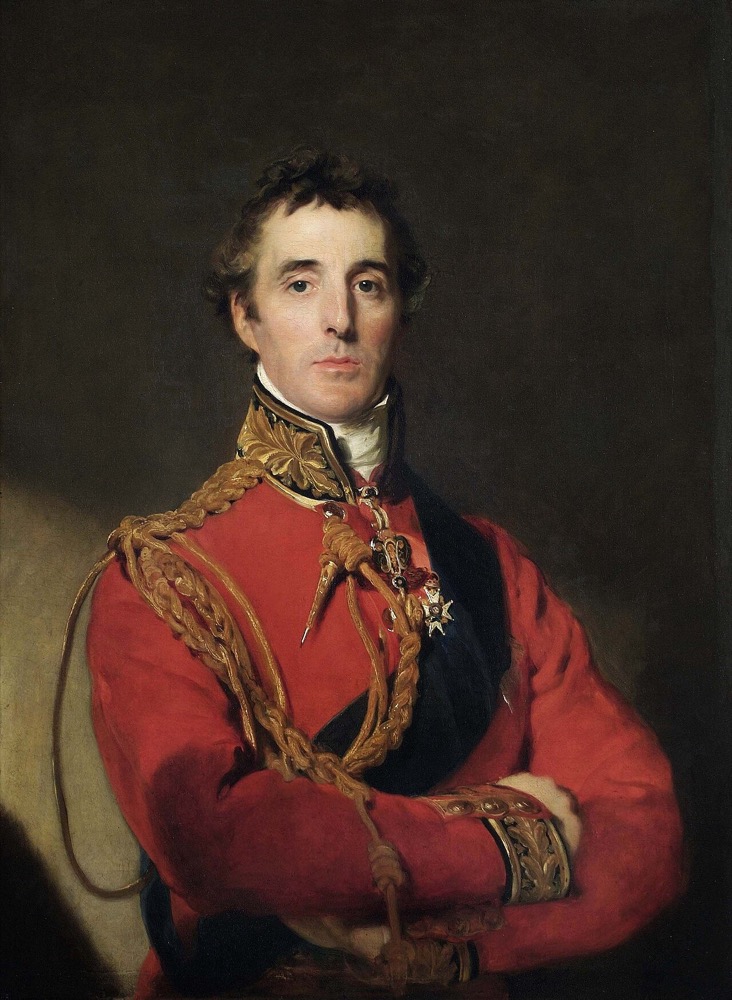
Metternich
Nelson, victor of Trafalgar
Blücher, Prussian marshal
Duke of Wellington, victor of Waterloo
Sir Thomas Lawrence painted Wellington, who with Blücher defeated Napoleon at Waterloo. Nelson was a naval commander killed at Trafalgar.
This print shows the Women's March on Versailles. What was its immediate result?
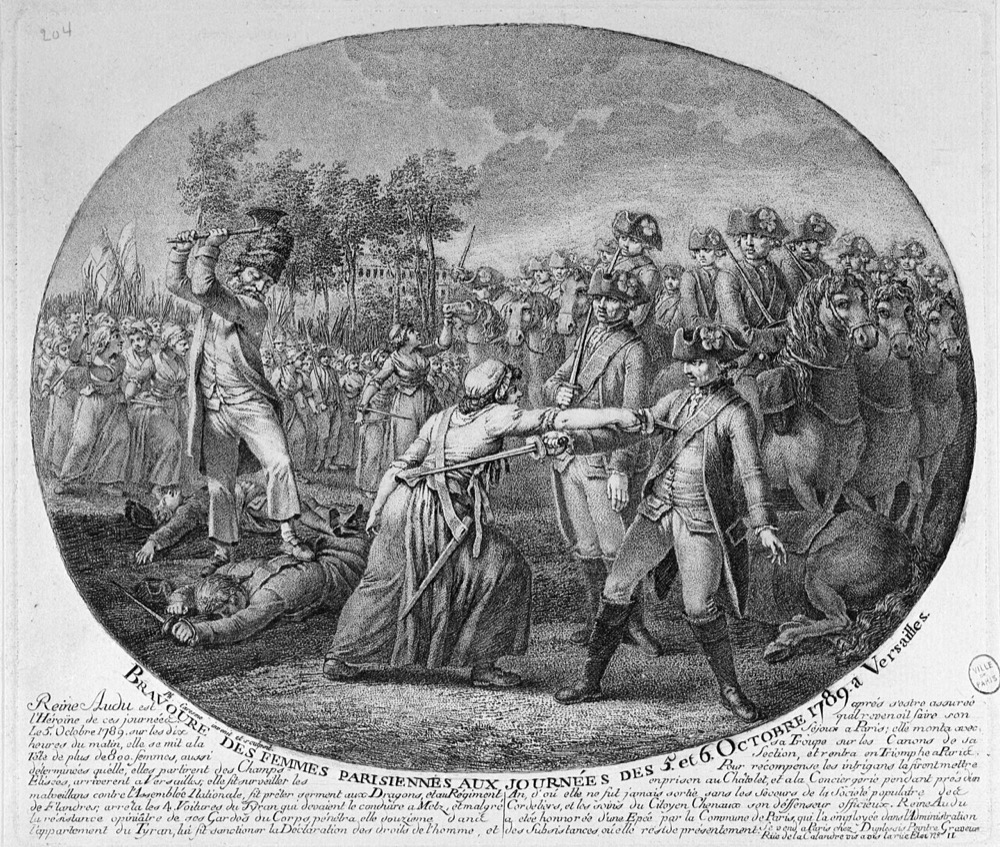
The king abdicated
The royal family was brought to Paris
The Bastille fell
The Assembly voted war
On 6 October 1789 the king and queen were escorted to the Tuileries in Paris, where the Revolution could keep watch on them.
