Quiz · Medium
Pick the right sentence for the situation: autos and metro, ordering food, bargaining, wishes, phone calls and emergencies.
Your host keeps serving you food and you have had enough. What do you say?
बस, काफ़ी है, शुक्रिया।
बहुत महँगा है।
और दीजिए, कम है।
कृपया बिल दीजिए।
बस = enough/stop and काफ़ी = sufficient. Declining a second helping politely may need a few repetitions in Indian hospitality.
You step into this vehicle. Which sentence asks the driver to go by the meter?
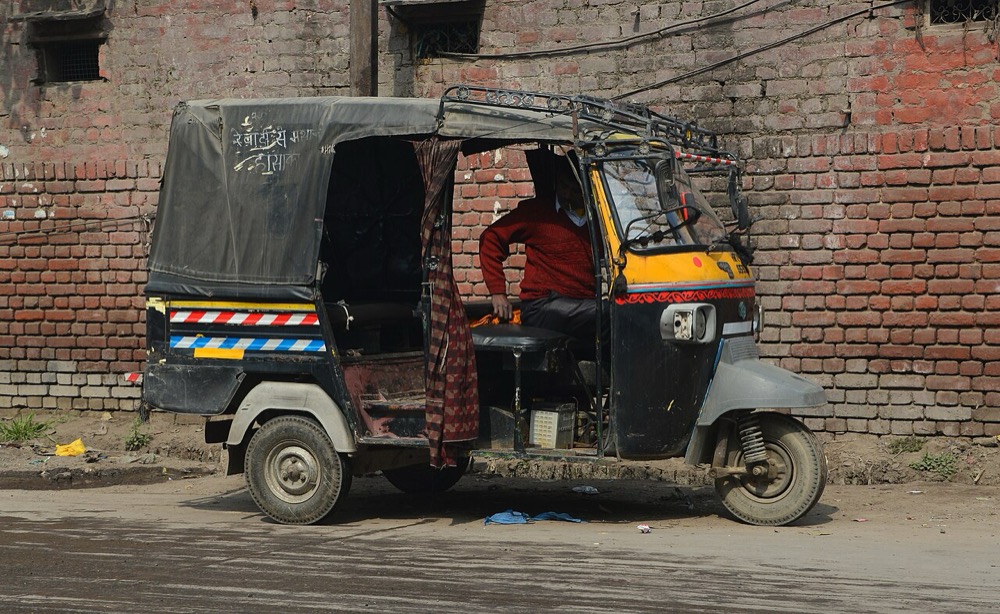
मीटर कहाँ है?
मीटर से चलेंगे?
यहीं रोक दीजिए।
कितना किराया लगेगा?
से here means 'by/with': मीटर से चलेंगे? = 'will you go by the meter?'. कितना किराया लगेगा? asks the fare, यहीं रोक दीजिए means 'stop right here'. Image: Clément Bardot, CC BY-SA 4.0, via Wikimedia Commons.
You are on this metro. Which question asks about the next stop?
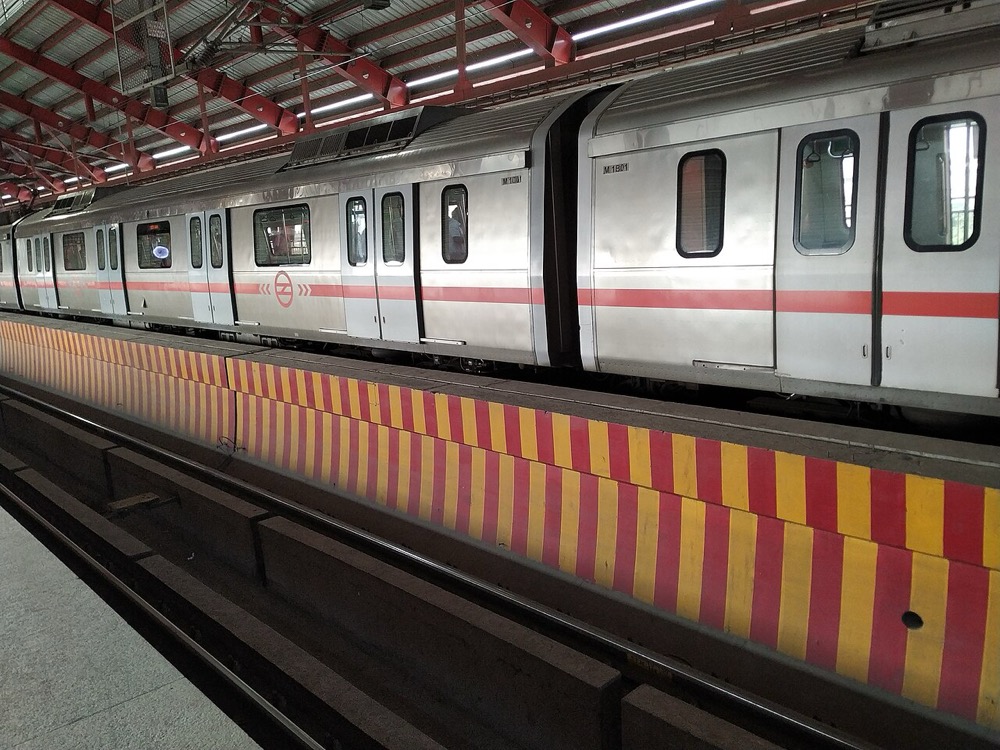
अगला स्टेशन कौन-सा है?
यह गाड़ी कहाँ जाती है?
ट्रेन कितने बजे जाएगी?
टिकट कहाँ मिलेगा?
अगला = next, कौन-सा = which. The other three ask where the train goes, when it leaves and where tickets are sold. Image: Ravi Dwivedi, CC BY-SA 4.0, via Wikimedia Commons.
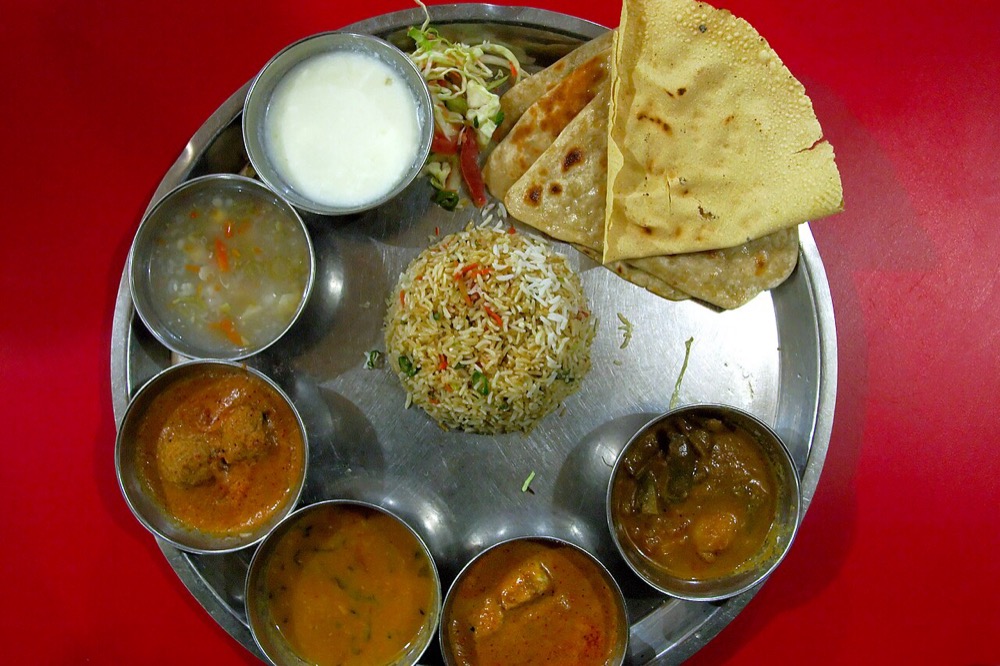
Which sentence orders this meal?
मैं सिर्फ़ देख रहा हूँ।
बिल ले आइए।
मुझे दवा चाहिए।
मुझे एक थाली चाहिए।
मुझे ... चाहिए is the standard way to ask for something. 'I'm just looking' is for a shop, बिल ले आइए asks for the bill and मुझे दवा चाहिए means 'I need medicine'. Image: Vyacheslav Argenberg, CC BY 4.0, via Wikimedia Commons.
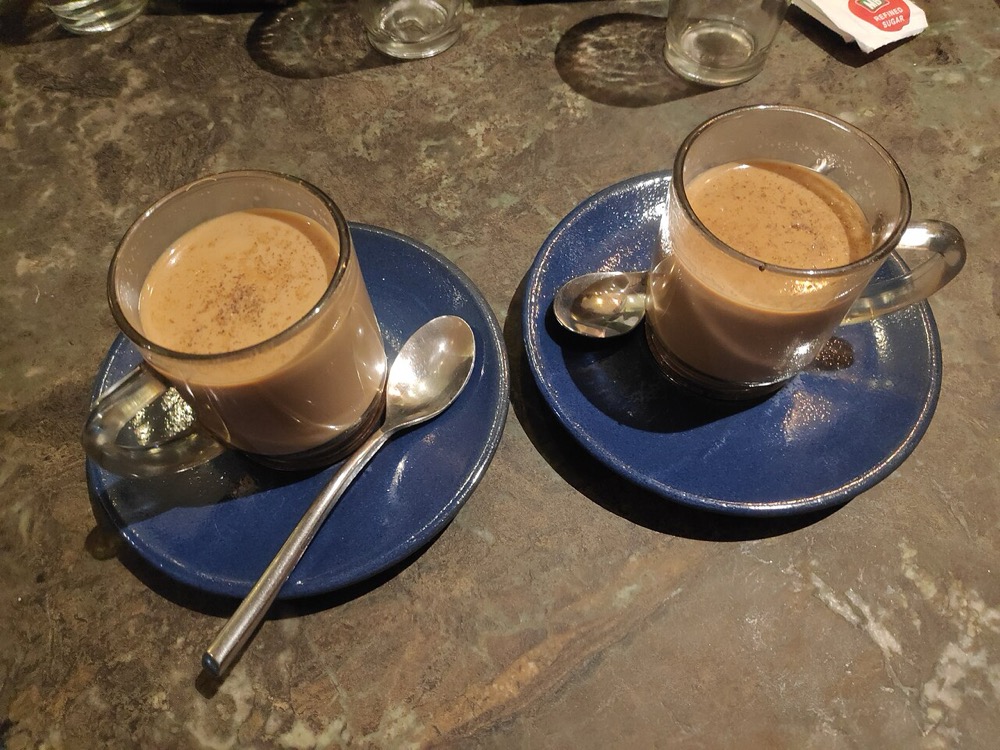
How do you ask the waiter to bring two of these?
दो चाय पीजिए।
दो चाय दिखाइए।
दो चाय लाइए।
दो चाय देखिए।
लाइए is the polite imperative of लाना (to bring). पीजिए would tell the waiter to drink them, and दिखाइए means 'show'. Image: Gaurav Dhwaj Khadka, CC BY-SA 4.0, via Wikimedia Commons.
Which phrase means 'Turn right'?
बाएँ मुड़िए।
दाएँ मुड़िए।
सीधे जाइए।
यहीं रुकिए।
दाएँ = right, बाएँ = left. A common mix-up; दाएँ ends with the same -एँ sound but starts with द.
The auto has reached your hotel. What do you say?
यहीं रोक दीजिए।
यहीं चलिए।
थोड़ा तेज़ चलिए।
मुझे हवाई अड्डे जाना है।
रोकना = to stop; यहीं = right here. चलिए means 'go' or 'let's go', the opposite of what you want.
What are you doing when you say कुछ कम कीजिए?
Asking for a smaller portion of food only
Asking someone to be quiet
Asking for the bill
Asking for a lower price
कम करना = to reduce. It is the standard bargaining line in markets: 'please reduce it a little'. A stronger version is आख़िरी दाम क्या होगा?
A shopkeeper asks क्या चाहिए? and you only want to browse. What do you say?
मैं सिर्फ़ ख़रीद रहा हूँ।
मैं देख चुका हूँ।
मैं सिर्फ़ देख रहा हूँ।
मुझे सिर्फ़ दाम चाहिए।
The continuous (देख रहा हूँ) describes what you are doing now. A woman says देख रही हूँ.
What does खुले पैसे हैं? ask for?
The price
Small change
A discount
A receipt
खुले पैसे (or छुट्टे) means loose change. Useful when paying an auto or a vendor with a large note.
Which is the natural way to say 'I am getting late'?
मैं देर हो रहा हूँ।
मेरा देर है।
मैं देर हूँ।
मुझे देर हो रही है।
'Lateness is happening to me' uses the मुझे pattern: देर is feminine, so हो रही है. मैं देर हो रहा हूँ treats you as the lateness itself.
Complete the leave-taking: अच्छा, अब मैं ___ हूँ। (a man leaving)
जाता नहीं
चलूँगी
चलता
चला
The habitual चलता हूँ ('I walk') is the polite way to leave. The host answers फिर आइएगा. A woman says चलती हूँ.
Which wish do you give to someone starting a trip?
जन्मदिन मुबारक हो!
आपकी यात्रा शुभ हो!
आपका स्वागत है!
बधाई हो!
यात्रा = journey, शुभ = auspicious. Compare जन्मदिन मुबारक (birthday), आपका स्वागत है (welcome), बधाई हो (congratulations).
You have a fever. Which sentence is right?
मुझे बुख़ार है।
मैं बुख़ार हूँ।
मुझे बुख़ार चाहिए।
मेरे को बुख़ार हूँ।
Ailments use the dative pattern: मुझे बुख़ार है (the fever is 'to me'). मैं बुख़ार हूँ would literally mean 'I am a fever'.
How do you say 'My passport is lost'?
मैं पासपोर्ट खो गया हूँ।
मुझे पासपोर्ट खोया है।
मेरा पासपोर्ट खोता है।
मेरा पासपोर्ट खो गया है।
खो जाना = to get lost; the thing that is lost is the subject, so मेरा पासपोर्ट खो गया है. मैं खो गया हूँ would mean 'I myself am lost'.
Which number is India's unified emergency number for police, ambulance and fire?
100
911
112
999
112 is the all-in-one emergency number in India. 100 (police) and 108 (ambulance) are older single-service numbers; 911 is for the US and 999 for the UK.
On the phone, which question asks 'Who is speaking?'
आप कौन बोलते हैं?
आप कौन बोल रहे हैं?
आप क्या बोल रहे हैं?
आप कहाँ बोल रहे हैं?
The continuous बोल रहे हैं is used for the person speaking now, with आप taking the plural रहे हैं.
What does मैं आपको बाद में फ़ोन करता हूँ mean?
I'll call you back later.
I called you earlier.
I never call you.
Please call me later.
The present habitual can express a promise or plan; बाद में = later. 'Please call me later' would be मुझे बाद में फ़ोन कीजिए.
Which is correct for asking an older stranger where he is going?
तू कहाँ जा रहा है?
तुम कहाँ जा रहे हो?
वह कहाँ जा रहा है?
आप कहाँ जा रहे हैं?
Elders and strangers get आप with the plural verb (रहे हैं). तू would be rude, and तुम is informal, fine among friends but too casual for an older stranger. वह means 'he/she' and refers to a third person.
True or False: भैया is a friendly word for a male auto driver, vendor or waiter.
True
False
True. भैया literally means 'brother'. For women, दीदी (sister) is used. 'Sir' (सर/साहब) is a more formal alternative.
What does कल मिलते हैं mean?
We met yesterday.
See you tomorrow.
We never meet.
I'm meeting you now.
The present tense is used for a plan: 'we meet tomorrow'. The word कल means both yesterday and tomorrow, but the present tense here makes it tomorrow.
Which wish do you give someone at Diwali?
दीवाली की शुभकामनाएँ!
जन्मदिन मुबारक हो!
जल्दी ठीक हो जाइए।
आपकी यात्रा शुभ हो।
शुभकामनाएँ = good wishes; the pattern X की शुभकामनाएँ works for any festival.
