Quiz · Medium
Use photos, paintings and picture options to identify English idioms and where they come from.
Which idiom does this picture best show?

A drop in the ocean
A piece of cake
A cold shoulder
The tip of the iceberg
Only a small part of the iceberg is visible above water, as with a bigger, hidden problem.
Image: AWeith, CC BY-SA 4.0, via Wikimedia Commons.
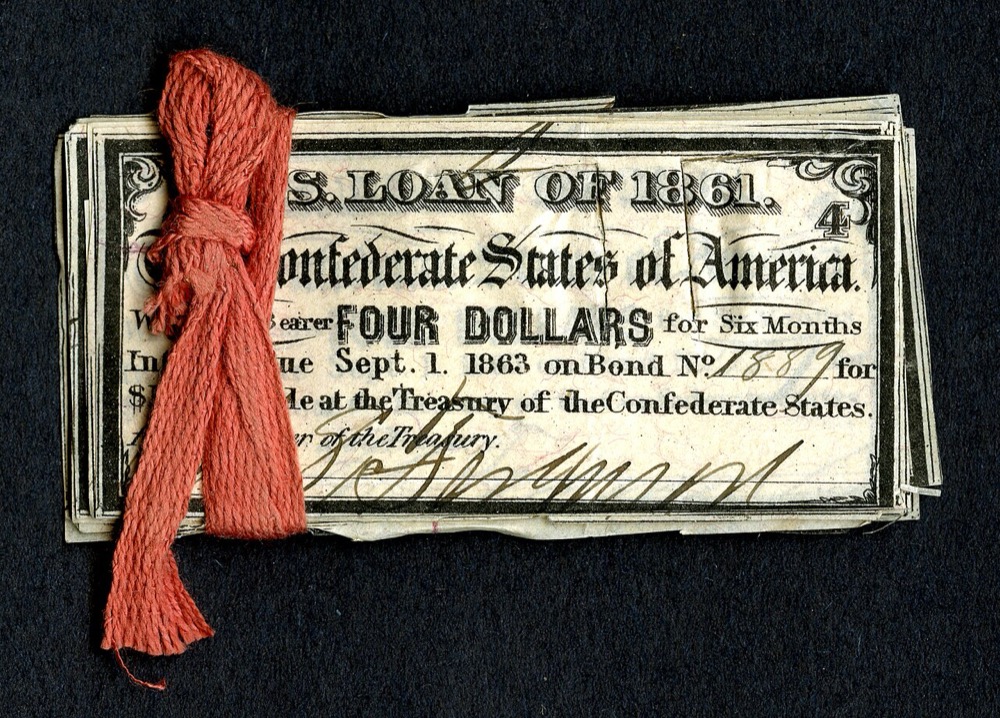
The picture shows a bundle tied with red cord. Which idiom comes from this?
Red herring
Red tape
Red flag
Red carpet
Red tape means excessive rules and paperwork. Documents were once tied with red tape.
Image: National Museum of American History, CC BY-SA 3.0, via Wikimedia Commons.
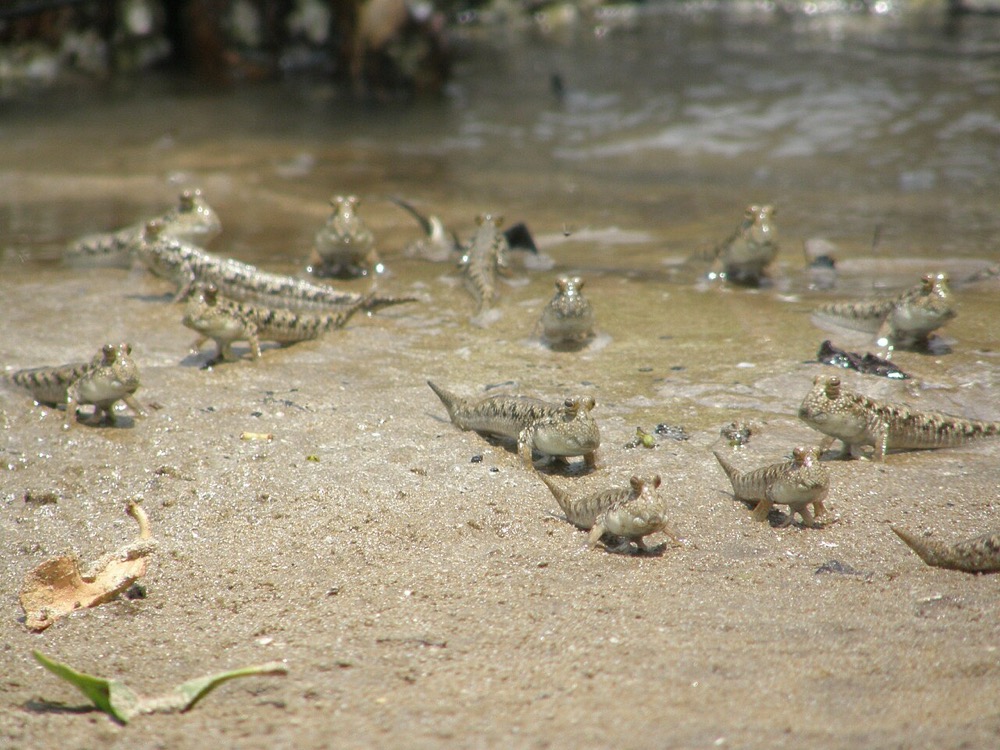
The picture shows a mudskipper out of water. Which idiom fits?
A big fish in a small pond
A fish out of water
Something fishy
Other fish to fry
A fish out of water is a person who feels uncomfortable in unfamiliar surroundings.
Image: Jon Robson, CC BY 2.0, via Wikimedia Commons.
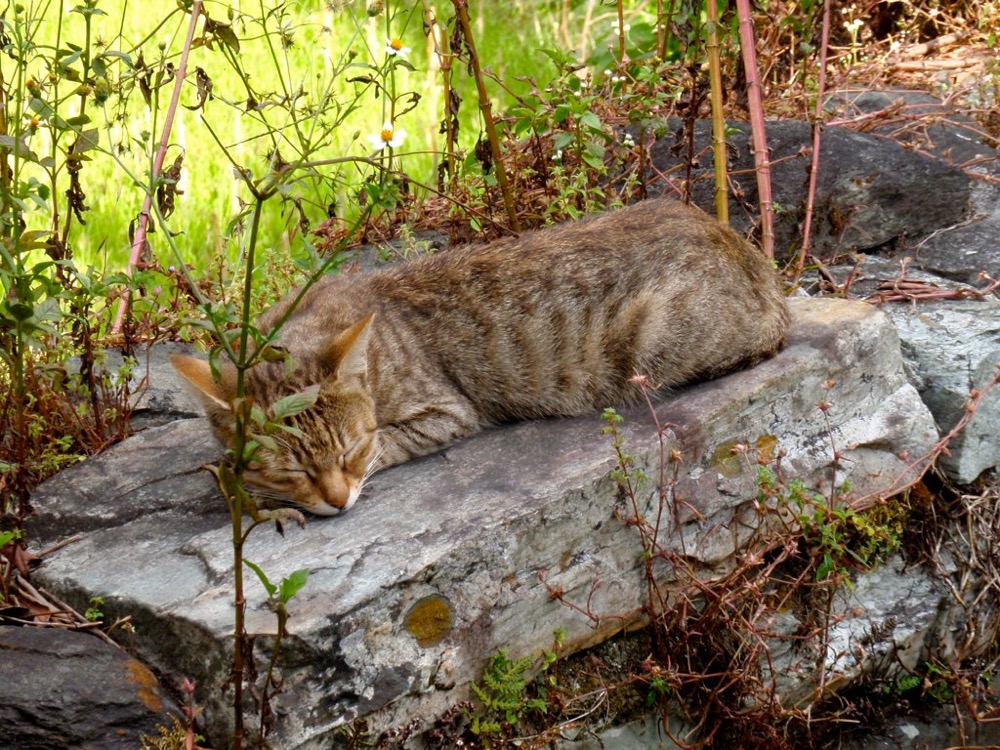
Which idiom describes this cat's short, light sleep?
A cat's whisker
Cat got your tongue
A copycat
A cat nap
A cat nap is a short sleep during the day.
Image: John Pavelka, CC BY 2.0, via Wikimedia Commons.
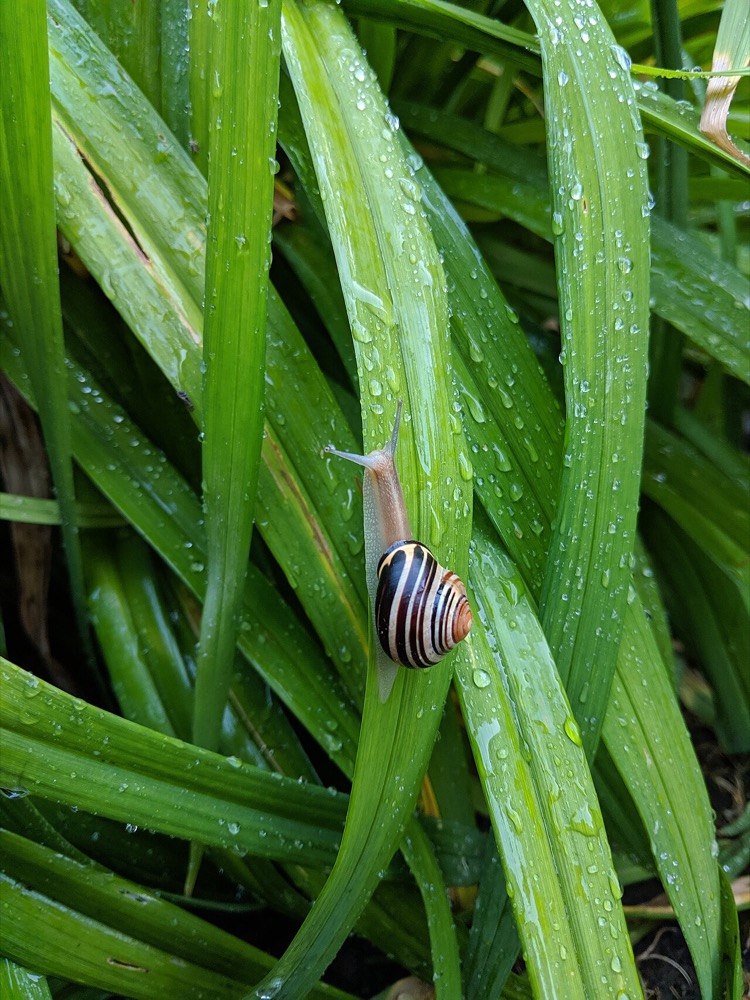
What does this picture of a snail suggest?
At a snail's pace
In the nick of time
Full speed ahead
A flash in the pan
At a snail's pace means very slowly.
Image: Sikander Iqbal, CC BY-SA 4.0, via Wikimedia Commons.
This painting shows a huge wooden horse being pulled into a city. Which idiom comes from the story?
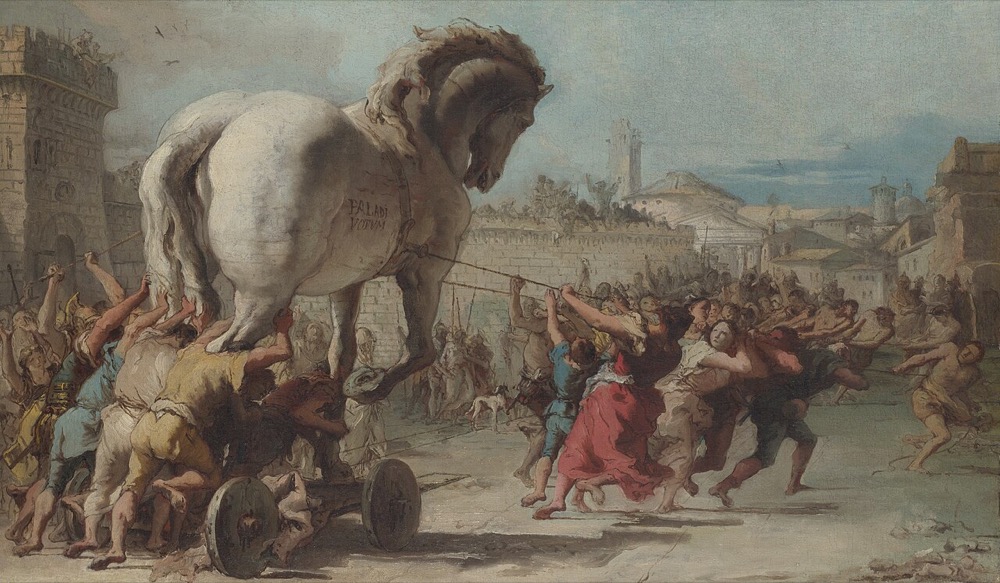
A dark horse
A stalking horse
A Trojan horse
A Greek chorus
A Trojan horse is something that looks harmless but hides a threat. A dark horse is an unexpected winner.
This painting shows a hand writing on a wall at a feast. Which idiom does it give us?
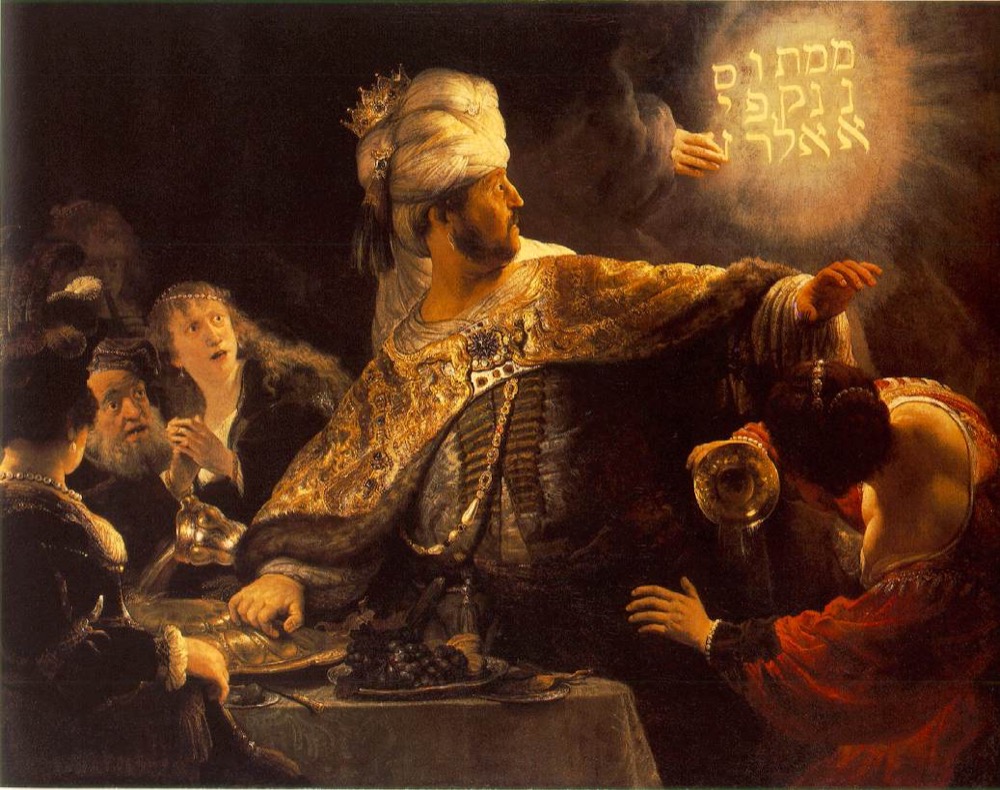
A bolt from the blue
The last straw
The writing on the wall
Spill the beans
The writing on the wall is a clear warning that something bad is coming. It comes from the Book of Daniel.
Which idiom comes from this picture of a battle in 1815?
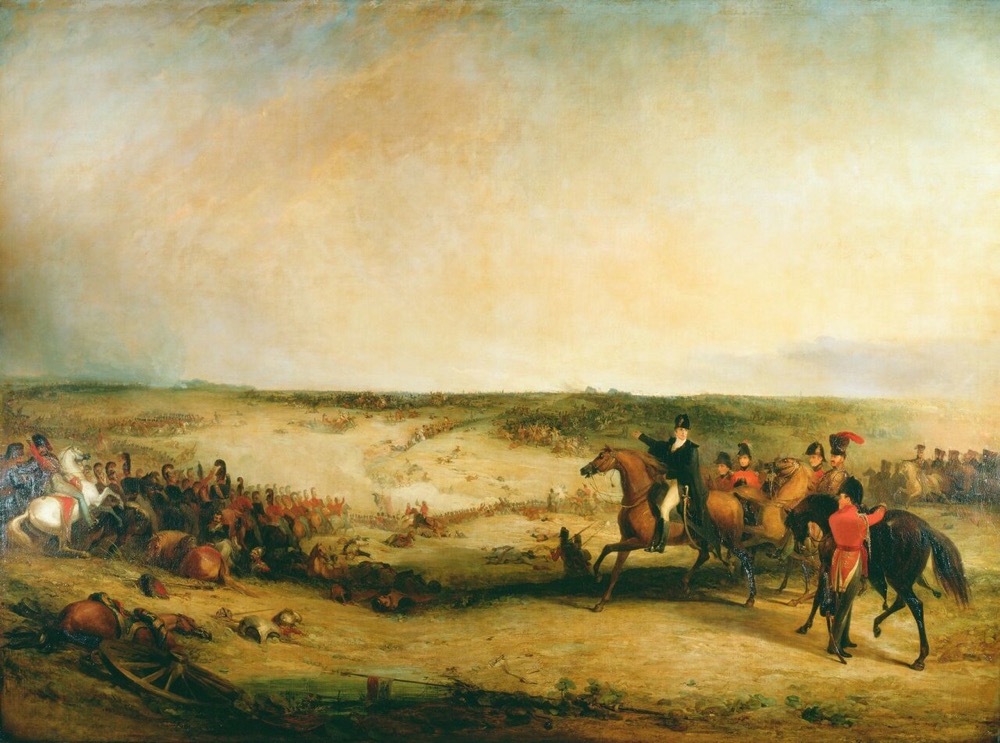
Meet your Waterloo
Cross the Rubicon
Bite the bullet
Cut the Gordian knot
Napoleon was finally defeated at Waterloo, so meeting your Waterloo means suffering a decisive defeat.
This painting shows Alexander the Great drawing his sword. Which idiom is linked to the story?
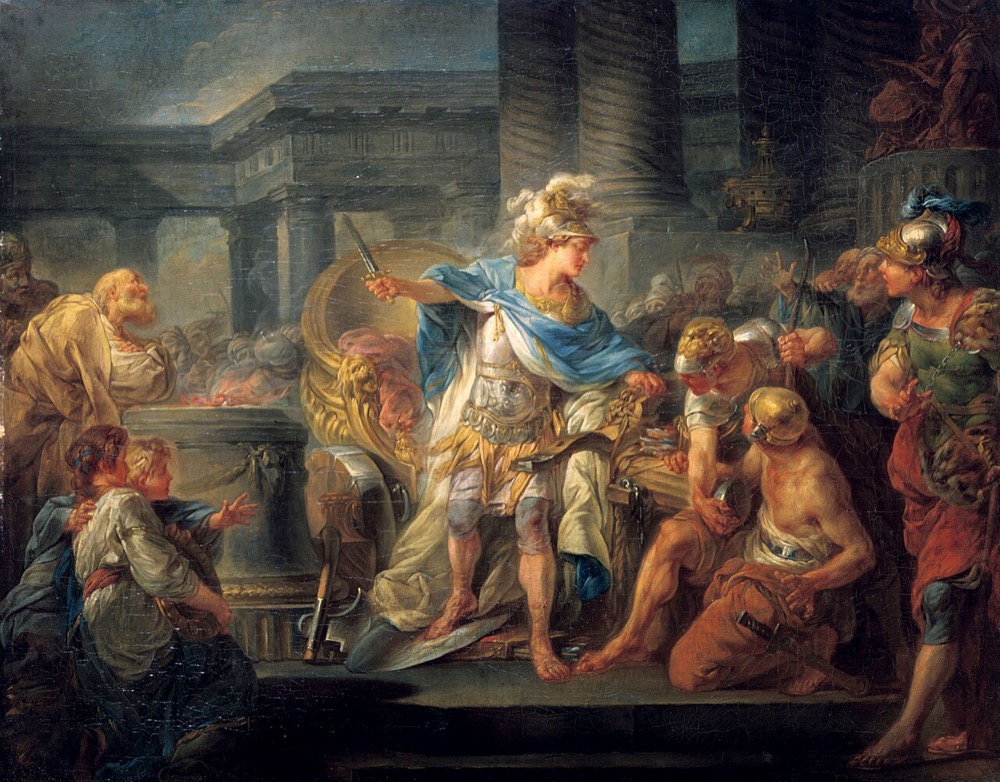
Break the ice
Pass the buck
Add fuel to the fire
Cut the Gordian knot
Alexander solved the unsolvable knot by cutting it. The idiom means solving a hard problem with a bold, direct action.
A goat is shown alone in a desert. Which word comes from this old ritual?
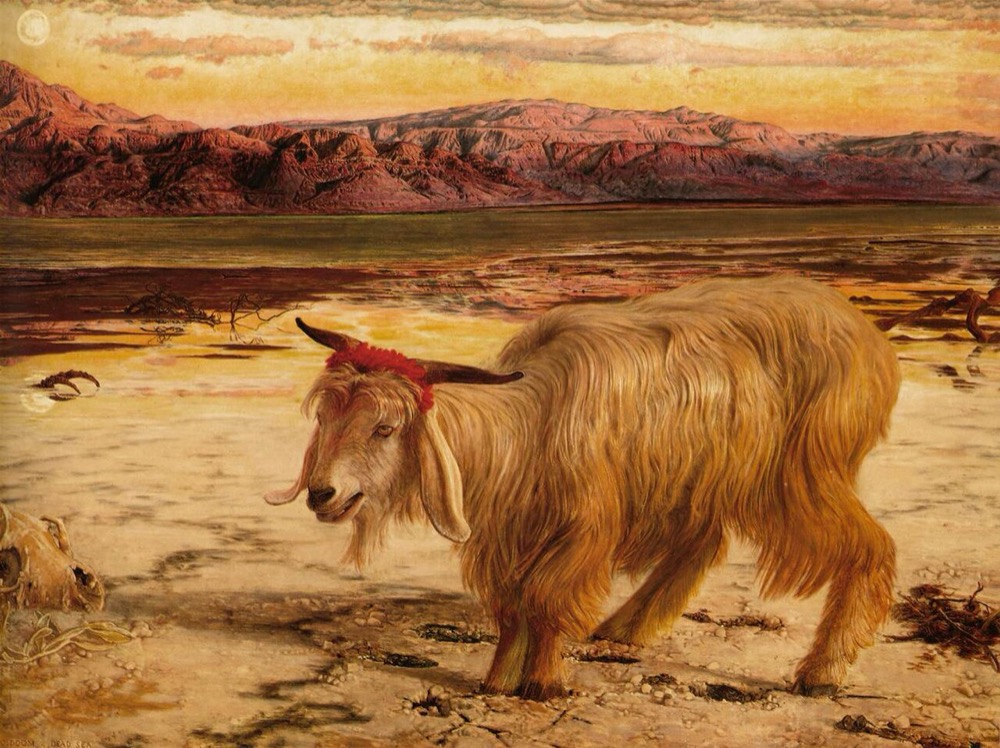
Sitting duck
Scapegoat
Lame duck
Cash cow
A scapegoat is a person who is blamed for the mistakes of others.
Which idiom does the story of this painting (a young man and a giant's head) give us?
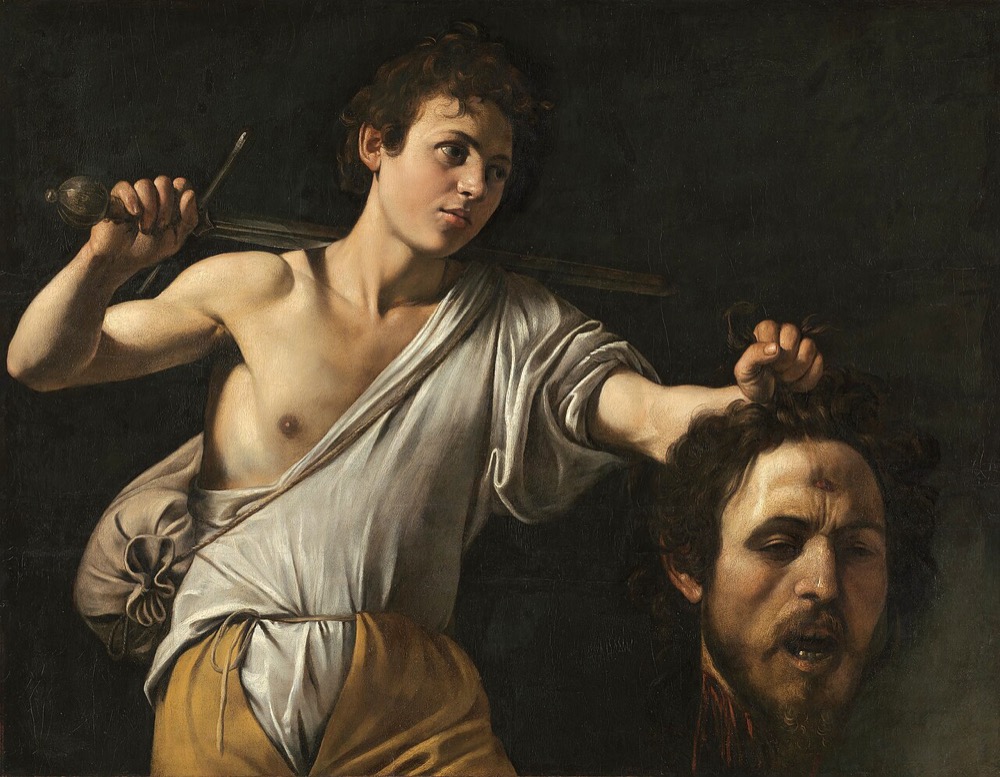
Pyrrhic victory
David and Goliath
Herculean task
Achilles' heel
David and Goliath describes an underdog facing a much stronger opponent.
Which of these pictures matches the idiom 'the early bird catches the worm'?
A sleeping cat
A snail on a leaf
Mudskippers on mud
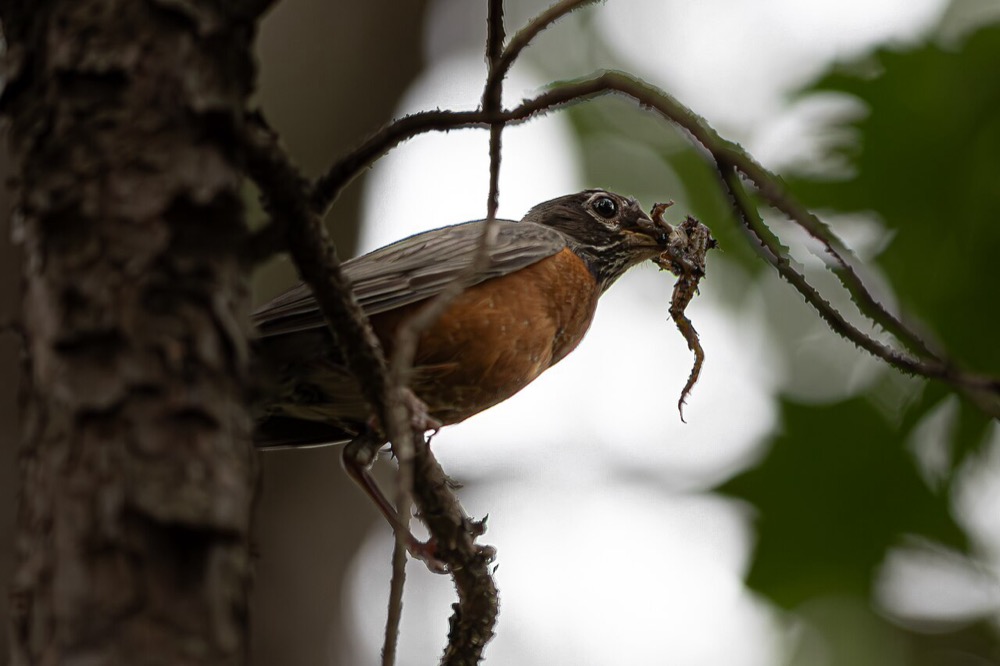
A robin with a worm
The robin with something in its beak shows the early bird that gets the worm.
Image: John Pavelka, CC BY 2.0, via Wikimedia Commons. Image: Sikander Iqbal, CC BY-SA 4.0, via Wikimedia Commons. Image: Jon Robson, CC BY 2.0, via Wikimedia Commons. Image: Daniel Dwyer Jr, CC BY 4.0, via Wikimedia Commons.
Which picture best matches the idiom 'don't put all your eggs in one basket'?
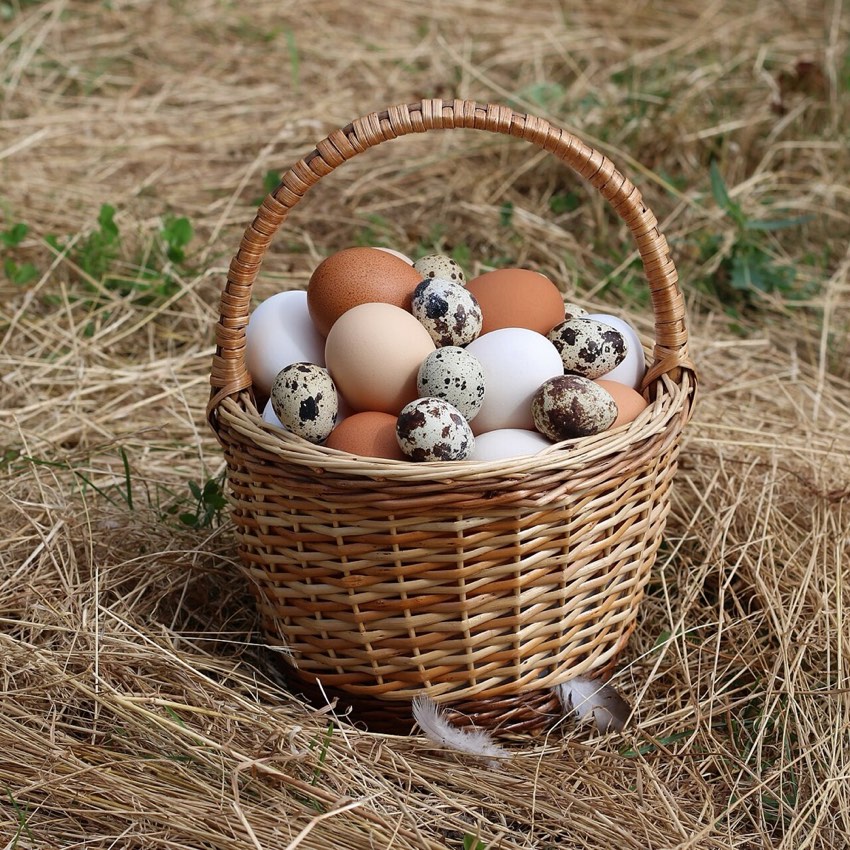
A basket of eggs
An iceberg
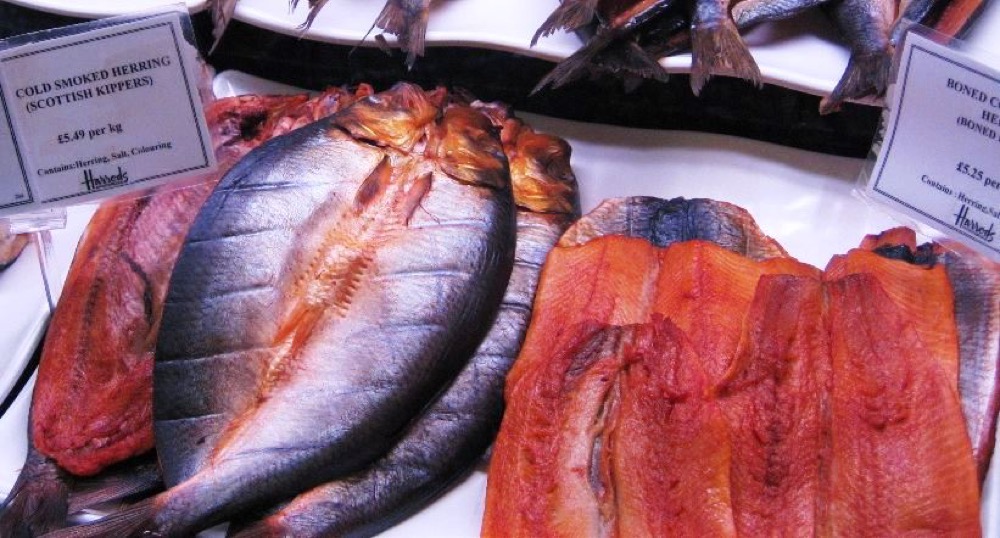
Smoked fish
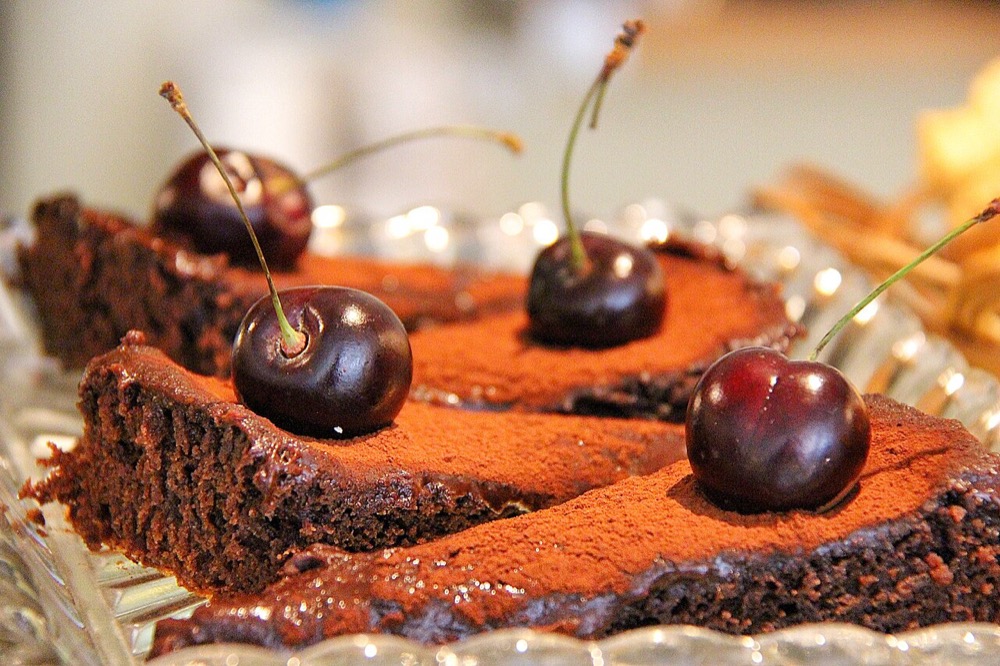
Cherries on cake
All the eggs are in a single basket, so if it is dropped, they would all be lost.
Image: George Chernilevsky, CC BY-SA 4.0, via Wikimedia Commons. Image: AWeith, CC BY-SA 4.0, via Wikimedia Commons. Image: misocrazy, CC BY 2.0, via Wikimedia Commons. Image: Susanne Nilsson, CC BY-SA 2.0, via Wikimedia Commons.
Which picture best matches the idiom 'the lion's share'?
A basket of eggs
A sleeping cat
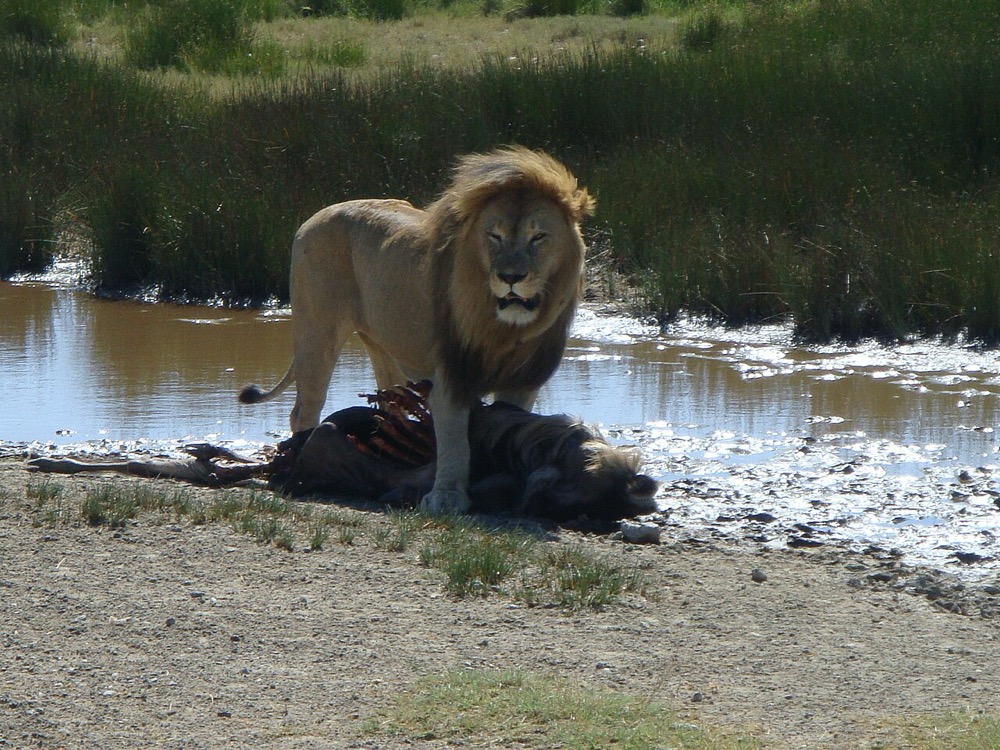
A lion with its prey
A robin
The lion takes the biggest part of what it has killed, which is the origin of the idiom (from an Aesop fable).
Image: George Chernilevsky, CC BY-SA 4.0, via Wikimedia Commons. Image: John Pavelka, CC BY 2.0, via Wikimedia Commons. Image: amanderson2, CC BY 2.0, via Wikimedia Commons. Image: Daniel Dwyer Jr, CC BY 4.0, via Wikimedia Commons.
A storm in a teacup: what does the idiom mean?
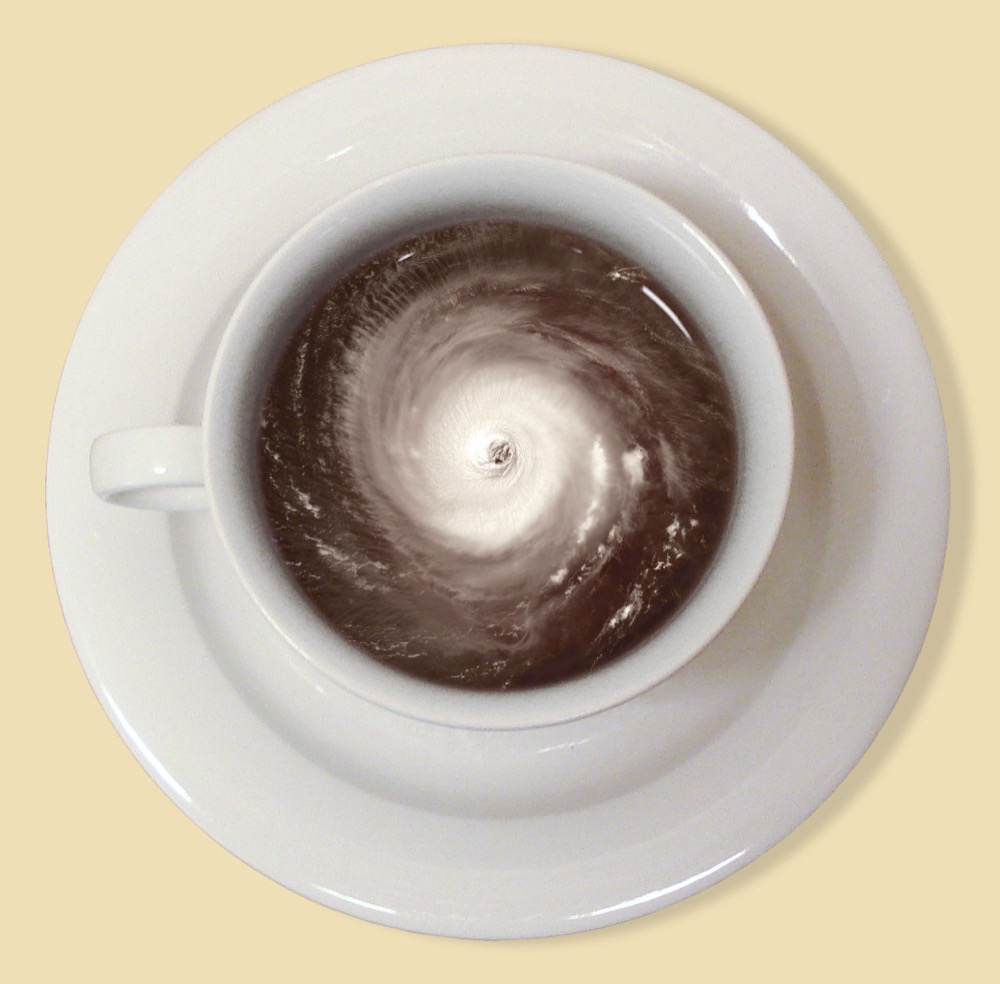
A real emergency
A tea party
A big fuss about a small problem
A cold drink
The picture shows a hurricane inside a cup, to illustrate making a big deal out of something small.
Image: nagualdesign, CC BY-SA 3.0, via Wikimedia Commons.
In the picture, cherries sit on top of a chocolate cake. What does 'the cherry on top' mean?
The extra thing that makes something good even better
The most expensive part
A mistake in a recipe
The first thing you eat
It is the finishing touch, like a bonus. British English also uses 'the cherry on the cake'.
Image: Susanne Nilsson, CC BY-SA 2.0, via Wikimedia Commons.
