Quiz · Medium
Match thinkers to their ideas and works, then test your knowledge of salons, the Encyclopédie and enlightened rulers.
Which development most directly inspired the Enlightenment's confidence in reason?
The Protestant Reformation's doctrine of predestination
The Thirty Years' War
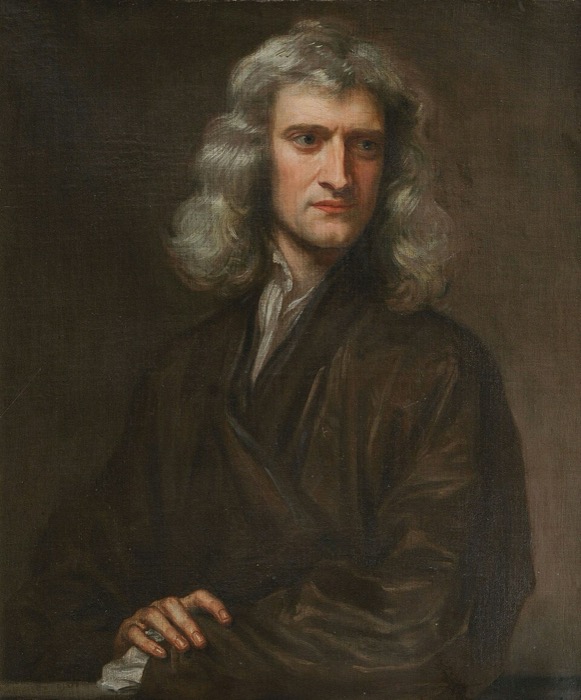
The Scientific Revolution, especially Newton's laws
The discovery of the Americas
Newton showed that nature obeys discoverable mathematical laws, encouraging hopes of finding such laws for society. The other events were important but not the main inspiration.
Hobbes argued in Leviathan that people should:
Give up their rights to an absolute sovereign to escape the violent state of nature
Overthrow any ruler who violates natural rights
Separate the powers of government
Follow the general will of the people
Hobbes feared civil war and thought only a strong ruler could keep order. Locke defended a right of revolution, Montesquieu proposed separation of powers, and Rousseau the general will.
Which natural rights did John Locke emphasize?
Equality, fraternity and justice
Duty, honor and obedience
Reason, faith and charity
Life, liberty and property
Jefferson adapted Locke's formula in the Declaration of Independence. 'Liberty, equality, fraternity' is a French Revolution slogan.
Who proposed dividing government into legislative, executive and judicial branches?
Rousseau
Montesquieu
Hobbes
Voltaire
Montesquieu's The Spirit of the Laws (1748) argued that separation of powers prevents tyranny. Rousseau emphasized popular sovereignty, and Voltaire favored toleration and an enlightened monarch.
Which statement about deism is correct?
Deists denied the existence of any God.
Deists believed in the divinity of the pope.
Deists believed that God created the universe but does not intervene in it.
Deists rejected science and reason.
Deism was popular among Voltaire, Franklin and Jefferson. Atheism was rarer. Deism emphasized natural religion.
Why is the quote 'I disapprove of what you say, but I will defend to the death your right to say it' often misattributed?
It was written by Evelyn Beatrice Hall in 1906 to sum up Voltaire's attitude, but he never wrote it.
Voltaire wrote it in a letter to Frederick the Great.
It comes from Rousseau's Social Contract.
Locke said it in his Letter on Toleration.
It reflects Voltaire's views on free speech, but it is not a direct quotation.
Which portrait shows John Locke?
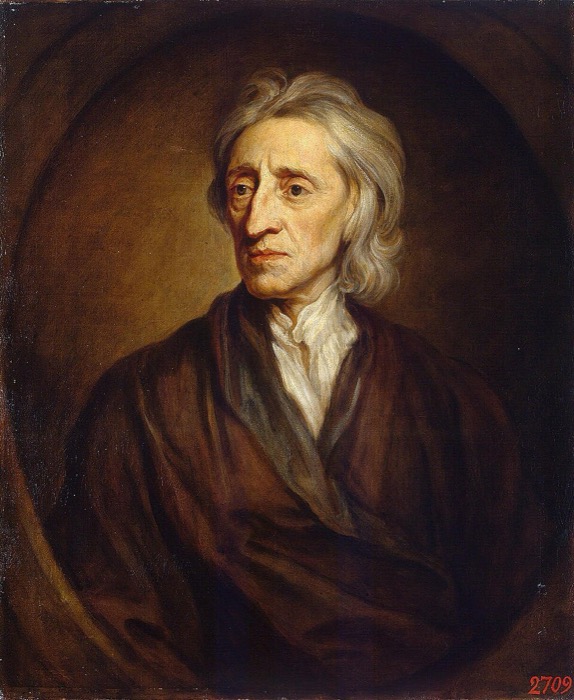
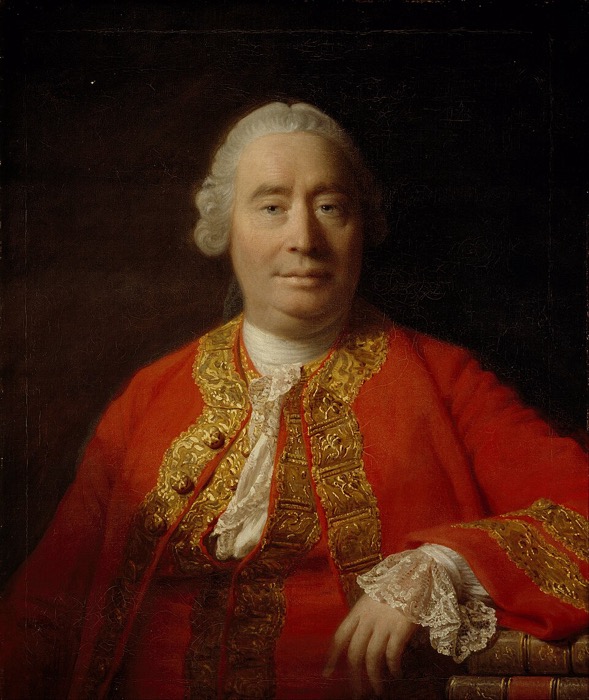
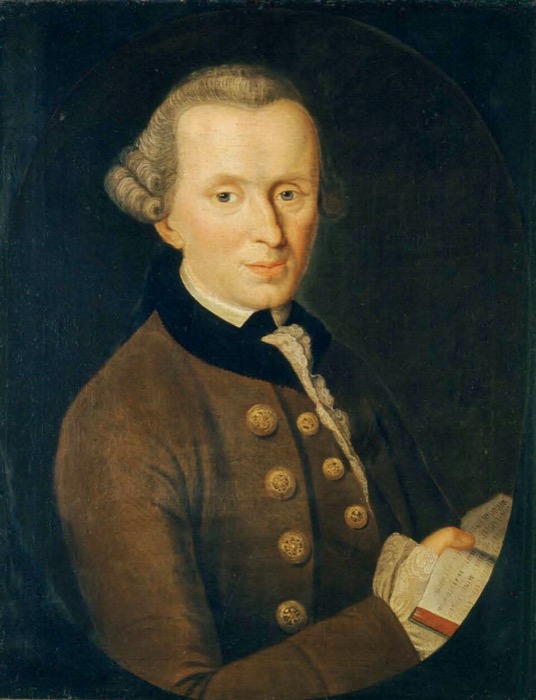
The 1697 portrait by Godfrey Kneller shows Locke. The other portraits are of Newton, Hume and Kant. Image: public domain, via Wikimedia Commons.
What was Voltaire's main target in his campaign for toleration, as in the Calas Affair?
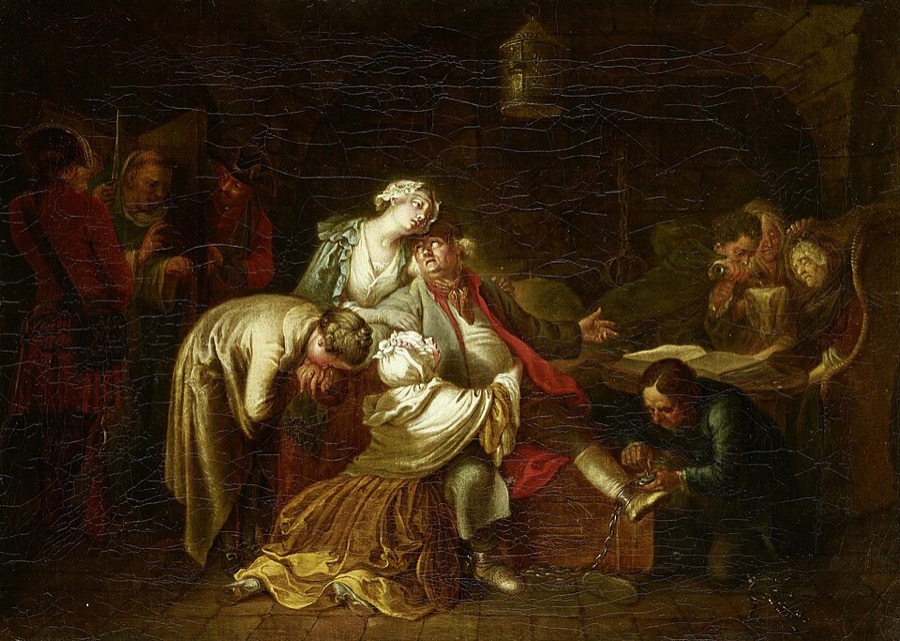
The power of the French nobility
The existence of God
Britain's parliamentary system
Religious intolerance and the abuses of the Church
Voltaire was a deist, not an atheist. He also admired Britain. His Treatise on Tolerance (1763) followed his campaign for Jean Calas, a Protestant wrongly executed in 1762.
Which idea is associated with Rousseau's Social Contract?
The general will of the people
The invisible hand
The categorical imperative
Tabula rasa
The invisible hand is Smith's; the categorical imperative is Kant's; tabula rasa is Locke's.
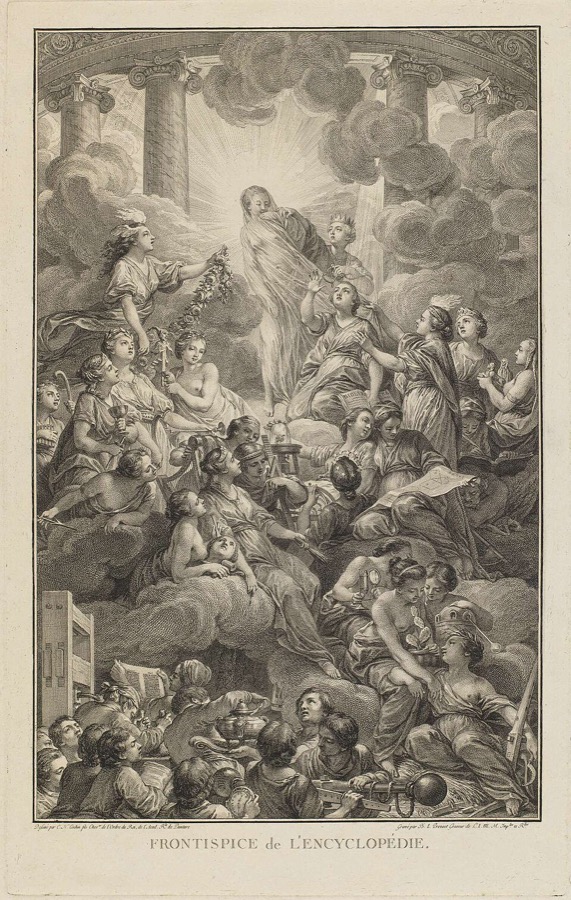
What was the Encyclopédie?
A secret list of banned books
A treatise on royal absolutism
A large collection of articles and plates on science, arts and trades edited by Diderot and d'Alembert
A guide to Catholic doctrine
It was published in France from 1751 to 1772 and spread Enlightenment ideas. The Index of Forbidden Books was a Church list, and Bossuet wrote on divine right.
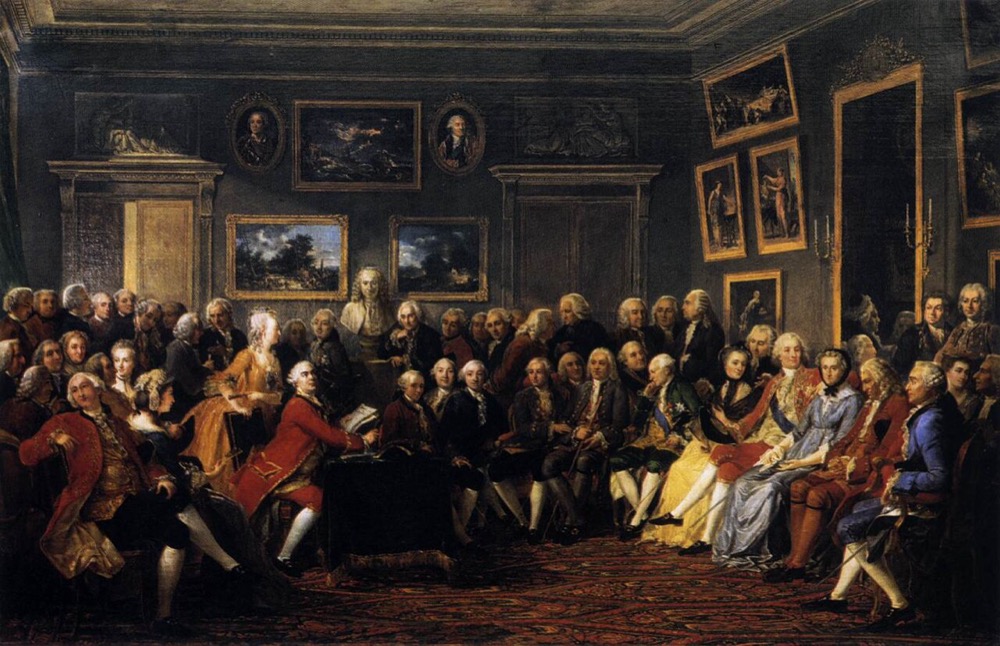
What was a salon?
A public lecture at a university
A government council of ministers
A regular gathering in a private home to discuss ideas, often led by a woman
A secret political party
Salonnières such as Madame Geoffrin and Julie de Lespinasse brought writers, artists and nobles together. Universities and ministries were separate institutions.
Which book argued that free markets and division of labor create wealth?
The Spirit of the Laws
The Wealth of Nations
Leviathan
Candide
Adam Smith's 1776 work attacked mercantilism. The others deal with politics and satire.
Kant defined Enlightenment as:
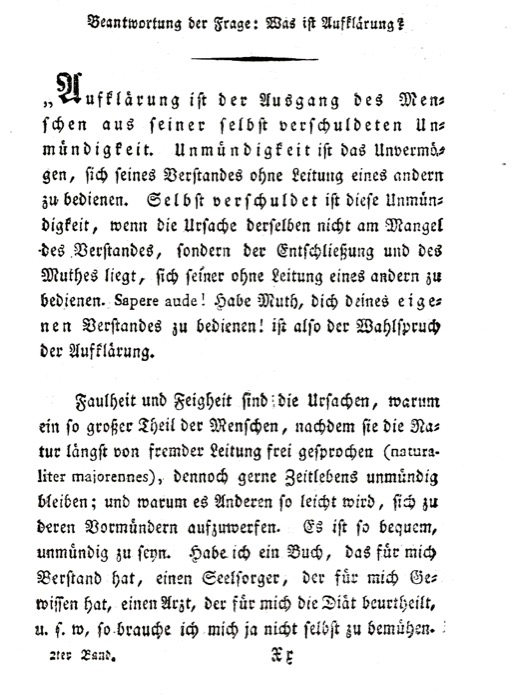
Humanity's emergence from self-incurred immaturity through the courage to use one's own reason
The progress of science and technology
The overthrow of monarchy
The return to nature
His motto was 'Sapere aude!'. He did not define it as science per se or revolution, and 'return to nature' is more Rousseau.
Beccaria's On Crimes and Punishments argued that:
Judges should have unlimited discretion
Heresy should be punished more severely
Criminals should be exiled to colonies
Torture and the death penalty are ineffective and unjust, and punishment should be proportionate
Beccaria influenced legal reforms in Tuscany, Austria and Russia. He wanted punishments to be certain and swift but not cruel.
Which woman wrote A Vindication of the Rights of Woman (1792)?
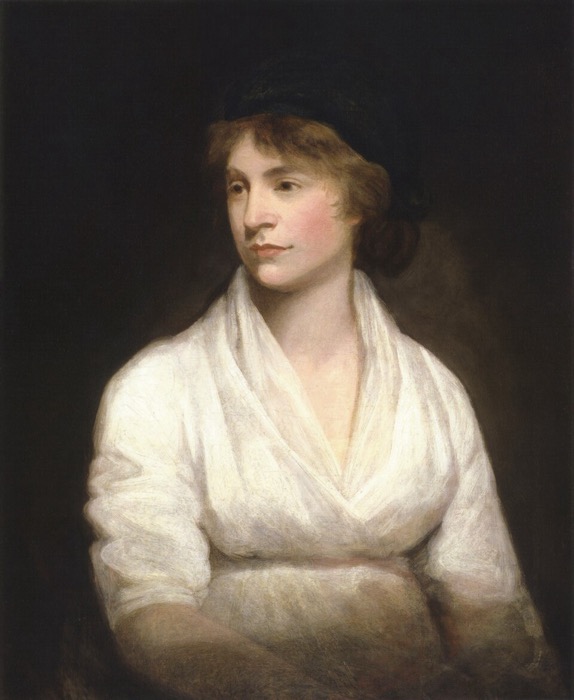
Olympe de Gouges
Madame Geoffrin
Catherine the Great
Mary Wollstonecraft
Olympe de Gouges wrote a Declaration of the Rights of Woman (1791). Madame Geoffrin hosted a salon, and Catherine was Russia's ruler.
Which feature best characterizes enlightened absolutism?
Kings sharing power with elected parliaments
Monarchs using Enlightenment ideas to reform their states while keeping absolute power
The abolition of monarchy
A return to feudal privileges
Frederick II, Catherine II and Joseph II reformed law, education and religion but did not give up power.
Which reform is most associated with Joseph II of Austria?
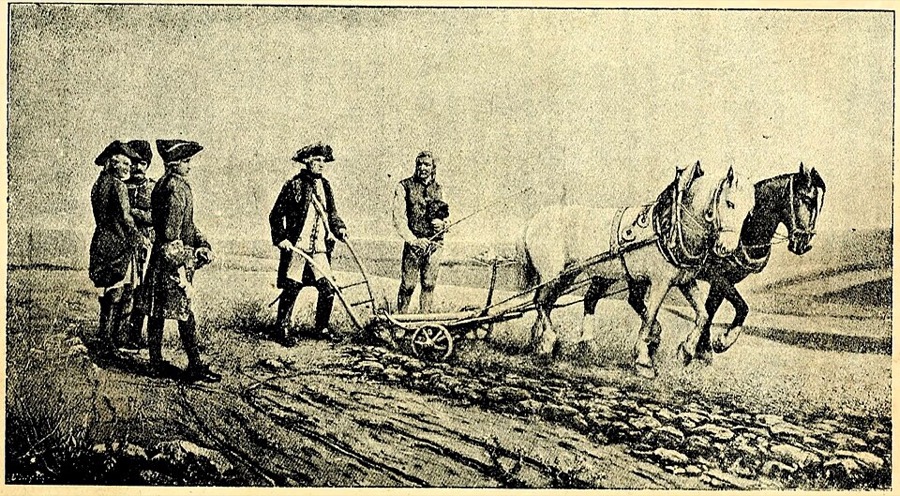
The creation of a parliament
The Edict of Toleration (1781) and the abolition of serfdom in the Habsburg lands
The Nakaz
The seizure of Silesia
The Nakaz was Catherine II's, and Frederick II seized Silesia in 1740. Joseph's reforms were largely reversed after his death.
What happened to Catherine the Great's reform plans after the Pugachev Rebellion?
She freed the serfs.
She called a national parliament.
She abdicated.
She became more conservative and gave nobles more control over serfs.
The 1785 Charter to the Nobility confirmed noble privileges. Catherine's Enlightenment ideas were mostly words.
Which of these was a limit of Enlightenment thought?
Many thinkers accepted slavery, racial hierarchy or women's subordination.
No thinker criticized the Church.
Reason was rejected in favor of tradition.
Science had no influence on politics.
Condorcet and Wollstonecraft argued for equality, but others, including Hume, Kant and Locke in various ways, held or profited from prejudiced positions.
